
Nebuly Series A: Planven leads $21 million round for AI agent ROI platform
 By Arjun MehtaSenior Business Editor, Peepals Business
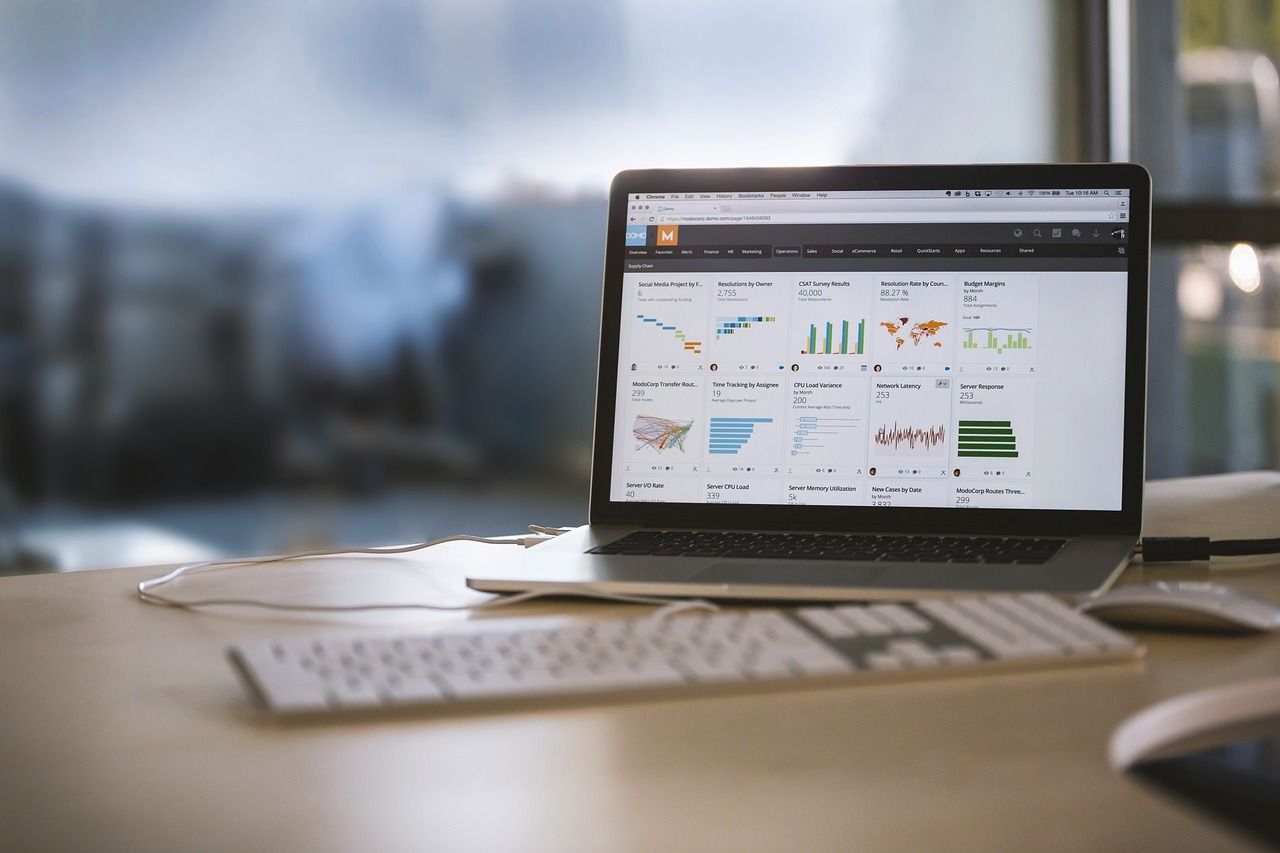
Representative image: StockSnap / Pixabay
Turin and New York start-up Nebuly raised $21 million (€18.95 million) in a Series A led by Planven to measure the return companies get from AI agents.
What Happened
Nebuly, a start-up based in Turin and New York that measures what companies actually get from their artificial intelligence (AI) agents, has raised USD 21 million (reported as €18.95 million) in a Series A round led by Planven, it was announced around Thursday, 12 November 2026. Exor Ventures, Tenacity Capital, TGVG Capital and Fastweb+Vodafone, through Founders Factory, joined the round with returning investors and angels, and Italy's CDP Venture Capital backed it through two of its funds. The company said it will use the money for product development and to grow its sales and marketing teams in the US and Europe.
Nebuly: key facts
- Company: Nebuly, based in Turin and New York; chief executive Francesco Signorato.
- Round: USD 21 million (€18.95 million) Series A, led by Planven.
- Other investors: Exor Ventures, Tenacity Capital, TGVG Capital, Fastweb+Vodafone via Founders Factory, returning investors and angels; CDP Venture Capital SGR through its Artificial Intelligence Fund and Digital Transition Fund.
- Product: a platform that analyses tasks, time saved, costs and customer interactions to show where AI agents deliver value and where they fall short.
- It connects to tools including custom agents and assistants built on Claude, ChatGPT and Microsoft Copilot, and can run on a customer's own servers or private cloud.
- Named customers: Oura, Iveco Group, Fastweb+Vodafone, CNH and Zeiss; contracts typically start at about USD 100,000 a year, according to reports.
- Use of funds: product development and expansion of sales and marketing in the US and Europe.
Nebuly: why it matters
Companies around the world are spending heavily on AI assistants and "agents", software that carries out tasks such as answering customers or handling paperwork. The question boards now ask is simple: is it paying off? Many firms find it hard to answer, because AI tools are spread across departments and their benefits, such as time saved, are not easy to count.
Nebuly's business is built on that gap. Its platform watches how AI tools are used inside a company, what tasks they handle, how much time and money they save and how customers respond, and turns that into a measure of return. Chief executive Francesco Signorato describes the company's aim as answering what AI is worth to a company's leadership. That is the company's description of its product, and its results for customers have not been independently verified.
The investor list mixes venture firms, a telecom company's start-up programme and Italy's CDP Venture Capital, which backed the round through funds dedicated to artificial intelligence and digital transition. The customer list, which includes large industrial and consumer firms, suggests the product is aimed at big enterprises. Reports differ on how big: one said most customers have annual revenue above USD 100 million with about half above USD 1 billion, while another said most have more than USD 1 billion.
For Indian businesses that are adopting AI agents, the same measurement problem applies, and tools of this kind show where the market is heading: from buying AI to proving its value.
Peepals calculation: The two reported amounts imply an exchange rate of about USD 1.11 per euro (21 ÷ 18.95 ≈ 1.108). At a starting contract size of about USD 100,000 a year, the USD 21 million raised equals the yearly value of about 210 such contracts (21,000,000 ÷ 100,000). Our calculation from the reported figures.
| Detail | Nebuly Series A |
|---|---|
| Amount | USD 21 million (€18.95 million) |
| Lead investor | Planven |
| Bases | Turin and New York |
| Typical contract | From about USD 100,000 a year (reported) |
| Use of funds | Product, US and Europe sales and marketing |
Impact
Short-term: Nebuly can hire more engineers and sales staff and push into the US and European enterprise markets.
Long-term: If measuring AI returns becomes standard practice, companies may cut AI projects that do not pay and expand those that do, shaping how AI spending grows.
Who is affected: Large companies using AI agents, the AI vendors whose tools are measured, Nebuly's staff and investors, and European AI start-ups looking for funding.
Key Takeaway
Nebuly raised USD 21 million in a Series A led by Planven around 12 November 2026 to expand its platform that measures the return companies get from AI agents, with growth planned in the US and Europe.
Questions and Answers
How much did Nebuly raise?
USD 21 million, reported as €18.95 million, in a Series A led by Planven, announced around 12 November 2026.
What does Nebuly do?
It provides a platform that measures how AI agents are used in a company, including tasks handled, time saved, costs and customer interactions, to show where AI delivers value.
Who invested in Nebuly?
Planven led, with Exor Ventures, Tenacity Capital, TGVG Capital, Fastweb+Vodafone via Founders Factory, returning investors and angels, and CDP Venture Capital through two funds.
Which companies use Nebuly?
Named customers include Oura, Iveco Group, Fastweb+Vodafone, CNH and Zeiss.
Disclaimer: Prepared by the Peepals newsroom from publicly available sources with AI assistance. Information is accurate to the best of our knowledge at the time of publication and may change. Images may be representative. Not professional advice. Report an error via our contact page.
By Arjun Mehta, Senior Business EditorCovers Start-ups & Opportunities and more for Peepals Business. All stories by Arjun Mehta
UK GDP Q3 2026 grows 0.7% as AI and cloud work lift services
Crystal Crop Protection IPO: Rs 259-272 band, opens November 18
Get the day's stories in your inbox
Peepals Weekly: the week decoded, free. One email a week, unsubscribe in one click.
Arjun Mehta is a pen name of the Peepals Global Editorial Team, which researches, fact-checks and publishes every story. The portrait is an illustration.
Editor: Prashant Sonar. How we report