
General Compute raises $100 million to build fast AI inference clouds
 By Elena D’SouzaStartups & Innovation Correspondent, Peepals Global
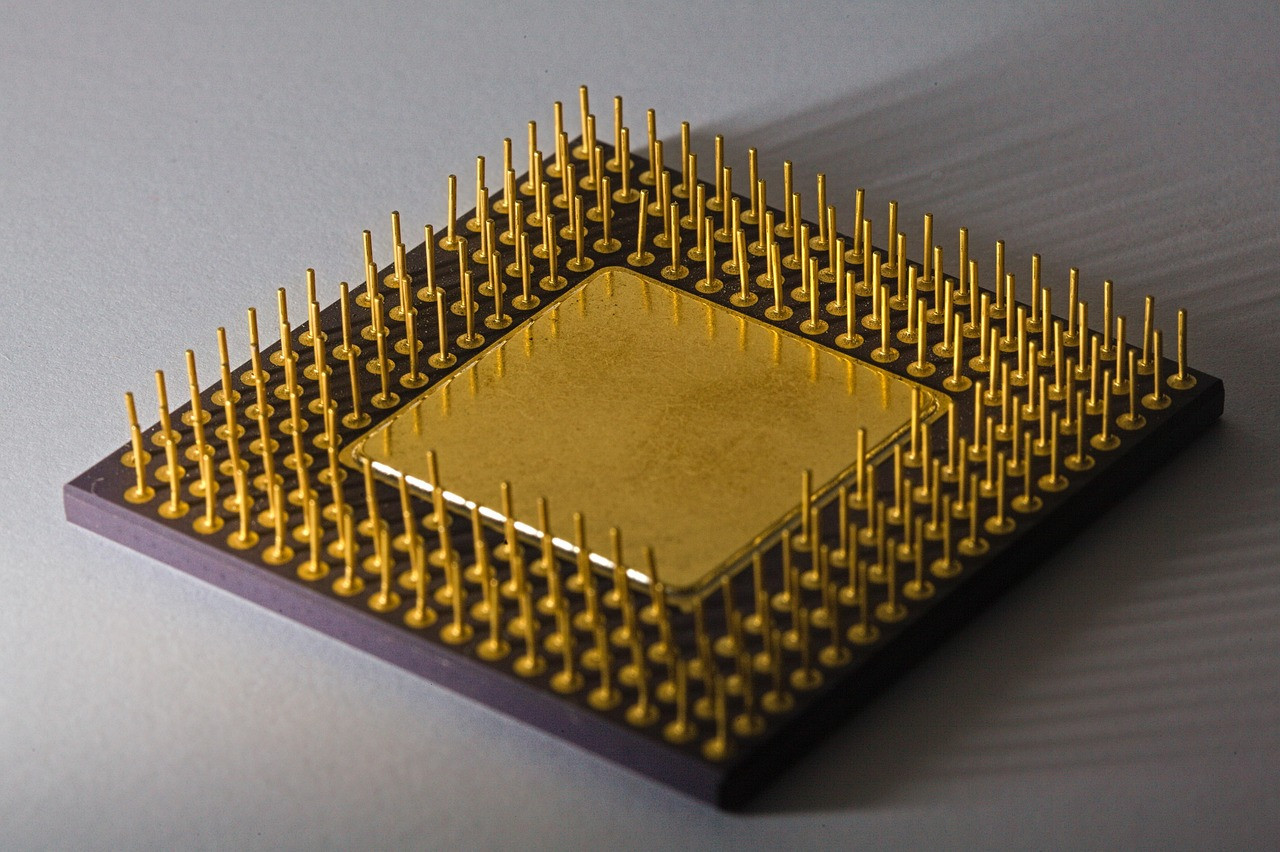
Representative image: dexmac / Pixabay
US neocloud start-up General Compute raised a $100 million Series A on October 27, 2026, led by Blackbird and Abstract Ventures, at a reported $800 million value.
What Happened
General Compute, a US start-up that runs cloud computing built for fast AI inference, announced on Tuesday, October 27, 2026, that it has raised $100 million in a Series A round. The round was co-led by Blackbird Ventures and Abstract Ventures, with Fuse Venture Partners, Village Global, Bold Capital, QED Fund and 645 Ventures among the other investors. Press reports put the company's value after the round at $800 million, up from $60 million after its seed round in May, though the company's own announcement did not state a valuation. The raise comes at a difficult time for "neocloud" companies, whose shares have fallen sharply in recent weeks.
Key Facts
- Amount: $100 million Series A, announced October 27, 2026.
- Lead investors: Blackbird Ventures and Abstract Ventures.
- Other investors named: Fuse Venture Partners, Village Global, Bold Capital, QED Fund and 645 Ventures.
- Reported post-money valuation: $800 million, up from $60 million in May 2026 (not disclosed by the company).
- The company says a large customer deal worth $100 million in annual recurring revenue made the raise possible.
- It has a $400 million chip purchase agreement with SambaNova; reports differ on how a separate $400 million debt facility fits in.
- Hardware: systems from Cerebras, SambaNova and Positron AI, alongside GPUs (graphics processing units).
- Chief executive Finn Puklowski expects to deploy 75 megawatts of computing capacity in 2027.
Why It Matters
A "neocloud" is a newer cloud company that rents out computing power built specifically for artificial intelligence, as opposed to general-purpose clouds such as those run by the largest technology groups. Most neoclouds have focused on training AI models, which needs huge clusters of GPUs. General Compute is betting on inference instead: the work of running a trained model to answer a user's question, write code or create an image. As more people and businesses use AI every day, inference is expected to take a growing share of all AI computing.
The company's approach is different in two ways. First, it does not rely only on Nvidia-style GPUs. It uses specialised inference chips from Cerebras, SambaNova and Positron AI, which are designed to produce answers faster and, the companies say, more cheaply per answer. Second, it builds its data centres at former bitcoin-mining sites, which already have large power connections, a scarce resource for AI data centres. It sells bare-metal servers, meaning physical machines without a software layer in between, to cloud companies that offer high-speed inference to developers.
The timing makes the round notable. Shares of neocloud companies have slid, and the best-known listed neocloud, CoreWeave, has been trading at a 12-month low amid doubts in the market about the sector. A $100 million round at a much higher valuation shows that some investors still believe in specialised AI infrastructure, especially when it is backed by signed customer revenue. Readers should note that the revenue and deployment figures are the company's own claims.
For Indian founders and engineers, the story points to where AI spending is moving. India's own push to build national AI computing capacity, and the many Indian start-ups building AI applications, depend on access to affordable inference. Cheaper and faster inference abroad can lower costs for Indian developers who use global cloud services.
Impact
Short-term: General Compute will use the money to build capacity at its converted sites and serve its large new customer. The round may also ease some of the gloom around neocloud funding.
Long-term: If inference-focused clouds deliver lower costs, AI services could become cheaper for businesses and developers worldwide. If demand or financing weakens, highly indebted neoclouds will face pressure.
Who is affected: AI developers and companies that buy inference capacity, chipmakers such as Cerebras and SambaNova, investors in AI infrastructure, and communities near former mining sites being turned into data centres.
Key Takeaway
General Compute's $100 million Series A, announced on October 27, 2026, is a bet on inference-focused AI clouds at a time when investors have turned cautious on neocloud companies.
Questions and Answers
How much did General Compute raise and from whom?
It raised $100 million in a Series A round announced on October 27, 2026, co-led by Blackbird Ventures and Abstract Ventures, with Fuse Venture Partners, Village Global, Bold Capital, QED Fund and 645 Ventures also taking part.
What is General Compute's valuation?
Press reports put it at $800 million after the round, up from $60 million in May 2026. The company's own announcement did not disclose a valuation.
What is a neocloud?
A neocloud is a newer cloud company that rents out computing power built specifically for AI work, such as training models or running them to answer users' requests, rather than offering general cloud services.
What chips does General Compute use?
It uses inference systems from Cerebras, SambaNova and Positron AI alongside GPUs, and it has a $400 million chip purchase agreement with SambaNova.
Disclaimer: Prepared by the Peepals newsroom from publicly available sources with AI assistance. Information is accurate to the best of our knowledge at the time of publication and may change. Images may be representative. Not professional advice. Report an error via our contact page.
By Elena D’Souza, Startups & Innovation CorrespondentCovers Start-ups & Opportunities and more for Peepals Global. All stories by Elena D’Souza
Jasper Talbot, Hannah Chinn to play Harry's parents in HBO series
Neelam Sirohi, Kajal Dhochak reach World Wrestling Championships finals in Astana
Get the day's stories in your inbox
Peepals Weekly: the week decoded, free. One email a week, unsubscribe in one click.
Elena D’Souza is a pen name of the Peepals Global Editorial Team, which researches, fact-checks and publishes every story. The portrait is an illustration.