
Reliable Robotics raises $115 million, tops $1 billion value for pilotless planes
 By Elena D’SouzaStartups & Innovation Correspondent, Peepals Global
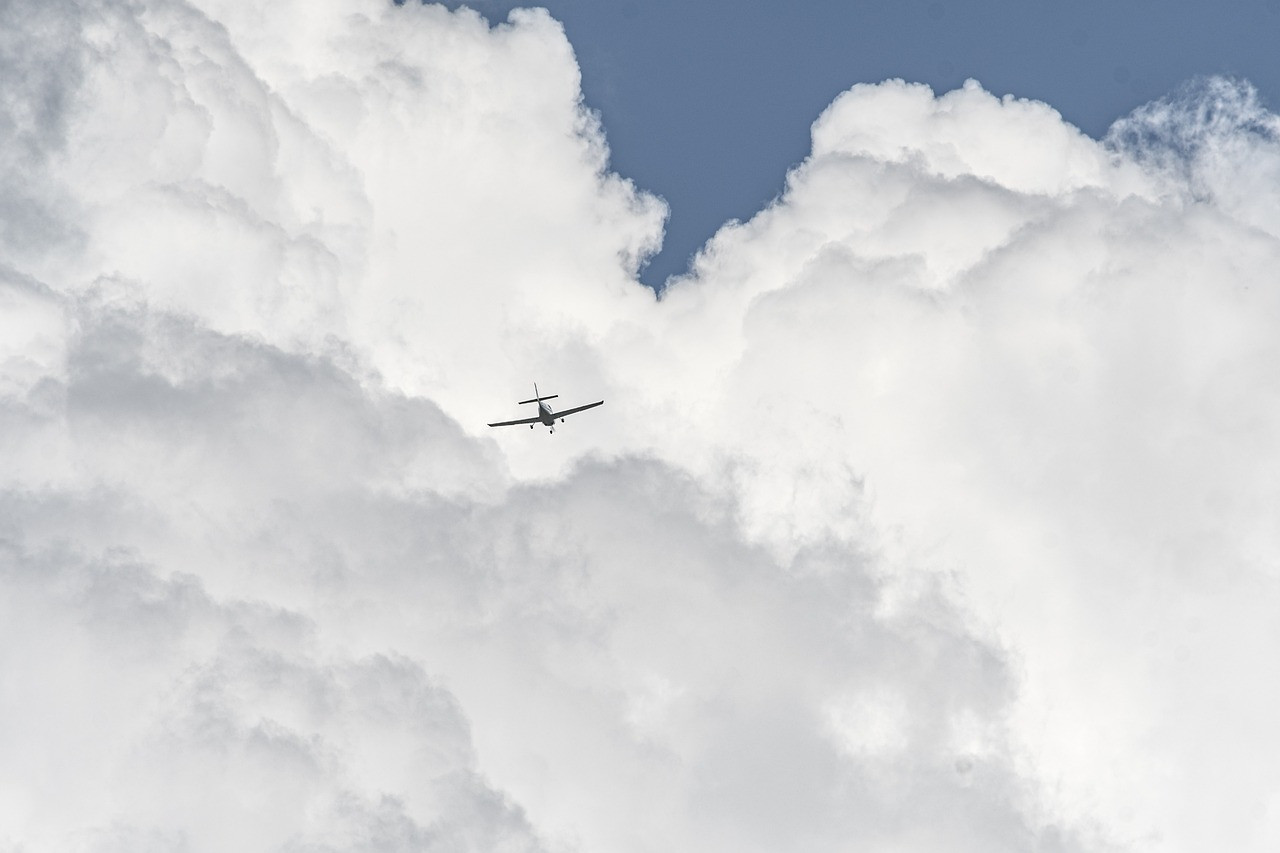
Representative image: Sinousxl / Pixabay
Reliable Robotics added $115 million to its Series D on October 20, 2026, valuing it above $1 billion as it seeks FAA approval for autonomous cargo flight.
What Happened
Reliable Robotics, a California start-up building software and hardware to fly cargo aircraft without a pilot on board, has added $115 million to its Series D funding round, taking its valuation above $1 billion, the company announced on October 20, 2026. According to reports of the deal, the new money is made up of $90 million in equity led by Nimble Partners and $25 million in debt from Silicon Valley Bank. The extension lifts the Series D to $275 million, up from the $160 million first announced, and the company says it has now raised more than $380 million in equity since it was founded.
Key Facts
- Amount: $115 million added to the Series D, made up of $90 million in equity and $25 million in debt, according to reports.
- Lead investor: Nimble Partners; Silicon Valley Bank provided the debt.
- New backers include Gideon Capital, RockCreek, Geek Ventures, Gold Hill Capital and Sparkwave Capital, with Island Green Partners returning.
- Series D total: $275 million, up from an initial $160 million round led by Nimble Partners with RTX Ventures.
- Valuation: above $1 billion, making the company a "unicorn".
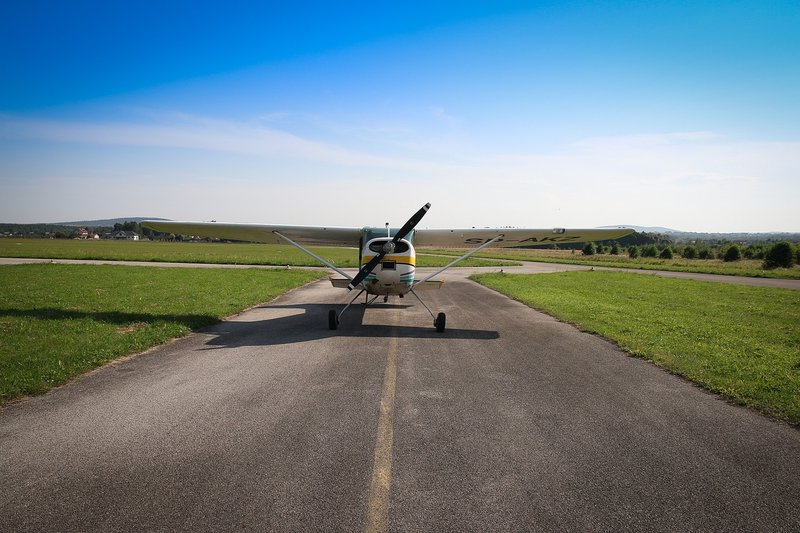
- Product: the Reliable Autonomy System, being fitted to the Cessna 208B Grand Caravan, a widely used single-engine cargo plane.
- The US Air Force has a $17.4 million contract to buy, integrate and test the system on a Cessna 208B.
- Chief executive Robert Rose expects the first US regulatory approval in 18 to 24 months, the company says.
Why It Matters
Most talk about self-flying aircraft focuses on futuristic air taxis. Reliable Robotics has taken a narrower route: it is adding an autonomy system to an aircraft that is already certified and already flies cargo every day. In aviation language, it is seeking a supplemental type certificate, an approval for a specific modification to an existing aircraft, rather than certifying a brand-new design. The US Federal Aviation Administration (FAA) formally accepted the company's certification plan in July 2023.
The approach is staged. According to the company, the first approval it is seeking would allow the autopilot to stay engaged for an entire flight, from taxi to landing, with a pilot still on board. Removing the pilot entirely would take at least three more years after that, by the company's own estimate. These timelines are the company's; the FAA sets its own pace, and certifying new automation for aircraft has historically been slow.
The size of the round shows how much investors are willing to bet on that long road. Raising a large sum before any commercial autonomous flight is unusual outside the AI software boom, and the company has said the extra money was added because investor demand exceeded the original round. Defence interest is part of the story: the Air Force contract, which grew out of small research awards from 2021, covers testing focused on logistics in the Indo-Pacific region, with testing planned to begin in the US government's 2027 fiscal year.
For founders and investors watching from India, the deal shows a model that may travel: rather than inventing new aircraft, retrofit autonomy onto proven, already-certified machines, and use defence and cargo customers to fund the long certification path.
| Item | Detail |
|---|---|
| Round | Series D extension, announced October 20, 2026 |
| New money | $115 million ($90 million equity, $25 million debt) |
| Series D total | $275 million |
| Equity raised to date | More than $380 million |
| Aircraft | Cessna 208B Grand Caravan |
Impact
Short-term: The money lets the company scale production of its system and pay for the testing and paperwork that FAA certification requires.
Long-term: If regulators approve the system, small cargo routes that today need a pilot on every flight could in future be flown with fewer crew, changing the economics of regional air freight and military logistics. Safety regulators will decide how fast that happens.
Who is affected: Air cargo operators, pilots who fly small cargo aircraft, the US Air Force, aviation regulators, and investors in autonomy and aerospace start-ups.
Key Takeaway
Reliable Robotics raised $115 million on October 20, 2026, pushing its valuation past $1 billion as it seeks FAA approval for a system that could eventually fly Cessna cargo planes without a pilot.
Questions and Answers
How much did Reliable Robotics raise and at what valuation?
The company added $115 million to its Series D on October 20, 2026, made up of $90 million in equity led by Nimble Partners and $25 million in debt from Silicon Valley Bank, according to reports. Its valuation is now above $1 billion, and the Series D totals $275 million.
What does Reliable Robotics make?
It makes the Reliable Autonomy System, a set of software and hardware that lets an aircraft fly itself, which it is fitting to the Cessna 208B Grand Caravan cargo plane. The aim is uncrewed cargo flights.
When could pilotless cargo flights begin?
Not soon. The company expects its first FAA approval in 18 to 24 months, which would still require a pilot on board. Removing the pilot would take at least three more years, by the company's estimate, and the FAA sets its own timetable.
Does the US military use the system?
The US Air Force has a $17.4 million contract to buy, integrate and test the system on a Cessna 208B, with testing focused on Indo-Pacific logistics and planned to begin in fiscal year 2027.
Disclaimer: Prepared by the Peepals newsroom from publicly available sources with AI assistance. Information is accurate to the best of our knowledge at the time of publication and may change. Images may be representative. Not professional advice. Report an error via our contact page.
By Elena D’Souza, Startups & Innovation CorrespondentCovers Start-ups & Opportunities and more for Peepals Global. All stories by Elena D’Souza
Elena D’Souza is a pen name of the Peepals Global Editorial Team, which researches, fact-checks and publishes every story. The portrait is an illustration.