
16-year-old's Zero Industries raises $3 million to beam power to satellites
 By Elena D’SouzaStartups & Innovation Correspondent, Peepals Global
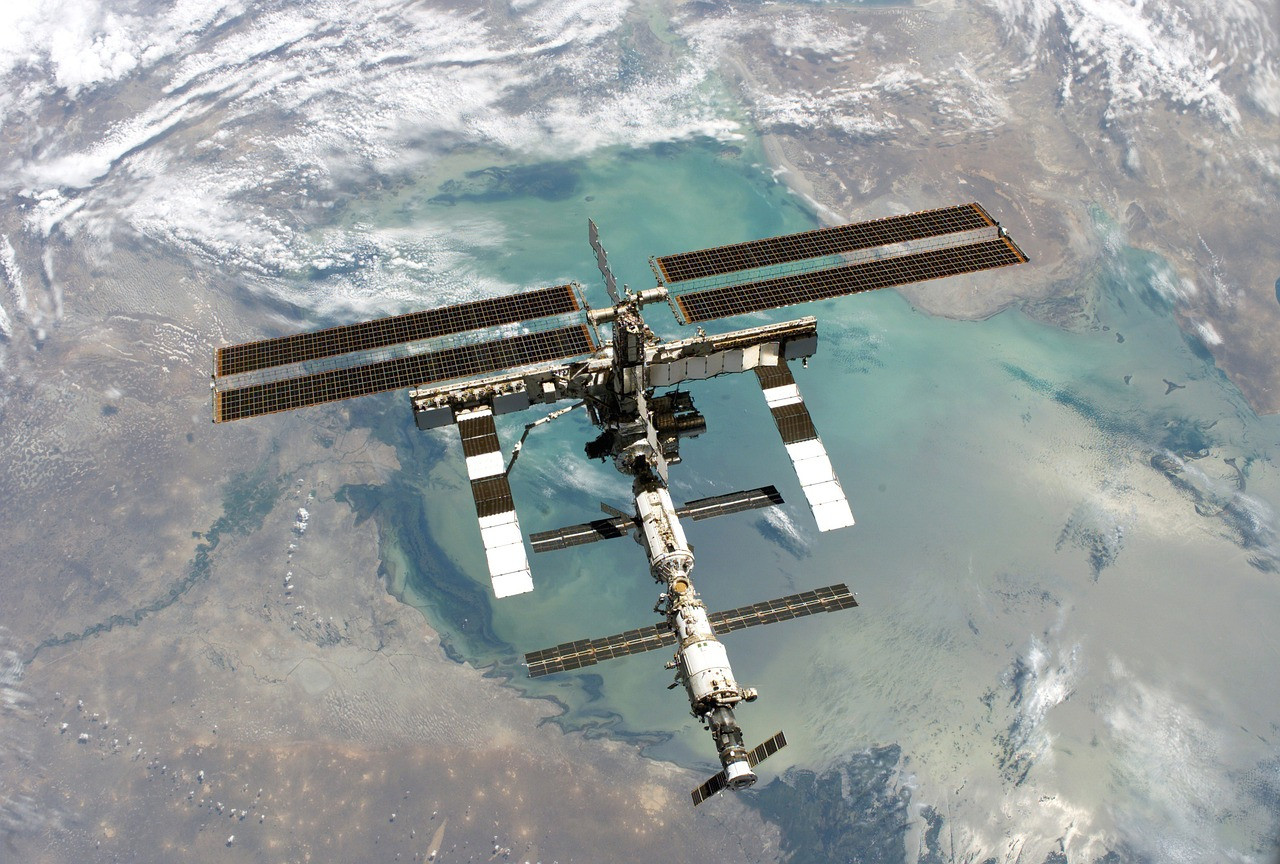
Representative image: WikiImages / Pixabay
Zero Industries, a space start-up led by a 16-year-old CEO, raised $3 million in pre-seed funding led by Maezawa Fund to develop laser power for satellites, it said on October 22, 2026.
What Happened
Zero Industries, a space start-up founded by a team of teenagers and young adults with a subsidiary in Japan, has raised $3 million in a pre-seed funding round to develop a system that would send power to satellites by laser. The company announced the round on 22 October 2026. It was led by Maezawa Fund, with UntroD Capital Japan, NOW, Midtown and individual investors taking part. The company is led by chief executive Kai Sugihara, who is 16, and it raised the money six months after it was founded.
Key Facts
- Amount: $3 million, a pre-seed round, which is the earliest stage of start-up funding, usually before a product exists.
- Lead investor: Maezawa Fund; other investors include UntroD Capital Japan, NOW and Midtown, along with individuals.
- Founders: chief executive Kai Sugihara, 16; chief technology officer Yusei Fujii, 19; and chief operating officer Koya Tani, 20.
- Structure: the company is based in San Francisco as a public benefit corporation and has a Japanese subsidiary, Zero Industries Japan.
- Product plan: its first service, called Helios, would collect solar power in space and transmit it to other spacecraft using lasers.
- Timeline: the first demonstration in orbit is targeted for 2030.
- The company describes the deal as the largest publicly announced pre-seed round by a Japanese start-up, based on its own review of comparable deals.
Why It Matters
Every satellite today has to carry its own power source, usually solar panels and batteries. Those take up weight and space, and they limit how much power a satellite can use, which matters more as companies talk about running data processing and even artificial intelligence workloads in orbit. Zero Industries' idea is that satellites could one day rent power instead, receiving it as a laser beam from a dedicated power satellite, in the same way that buildings on the ground buy electricity from a grid.
The idea is ambitious and unproven. Beaming energy by laser over long distances in space raises hard questions about efficiency, aiming accuracy and safety. One Japanese report noted that the system's performance figures are still design specifications and that transmission losses and costs have yet to be tested. A $3 million round is enough to build early prototypes and hire a small team, not to put a power network in orbit.
What makes the round stand out is the age of the founders and the size of the cheque for so early a stage. Investors are betting on the team and the long-term market rather than on revenue. For young founders in India's own growing space start-up sector, the case shows that global investors are willing to back very early, deep-technology ideas when the team can make a convincing case.
| Zero Industries | Detail |
|---|---|
| Round | $3 million pre-seed |
| Lead investor | Maezawa Fund |
| Chief executive | Kai Sugihara, 16 |
| First product | Helios, laser power for satellites |
| Orbital demo target | 2030 |
Impact
Short-term: The money will go towards hiring, building prototypes and forming industrial partnerships, according to the company. Its next milestones are ground tests of the laser power technology.
Long-term: If the technology works, satellite makers could design spacecraft with smaller power systems and buy energy in orbit. If it does not, the round will still show how willing investors are to fund very young teams in space technology.
Who is affected: Satellite operators and makers who could become customers; investors in early-stage space technology; and young founders in Japan, India and elsewhere watching how teenage-led deep-tech start-ups raise money.
Key Takeaway
Zero Industries' $3 million pre-seed round, led by Maezawa Fund, backs a teenage-led plan to beam solar power to satellites by laser, with a first test in orbit targeted for 2030.
Questions and Answers
What does Zero Industries do?
It is developing a system, called Helios, to collect solar power in space and send it to satellites by laser, so that satellites could receive power instead of relying only on their own panels and batteries.
How much did Zero Industries raise and who invested?
It raised $3 million in a pre-seed round announced on 22 October 2026, led by Maezawa Fund, with UntroD Capital Japan, NOW, Midtown and individual investors.
Who runs Zero Industries?
The company is led by chief executive Kai Sugihara, aged 16, with chief technology officer Yusei Fujii, 19, and chief operating officer Koya Tani, 20.
When will the technology be tested?
Zero Industries is targeting its first demonstration in orbit for 2030. Its performance figures are still design specifications and have not yet been tested.
Disclaimer: Prepared by the Peepals newsroom from publicly available sources with AI assistance. Information is accurate to the best of our knowledge at the time of publication and may change. Images may be representative. Not professional advice. Report an error via our contact page.
By Elena D’Souza, Startups & Innovation CorrespondentCovers Start-ups & Opportunities and more for Peepals Global. All stories by Elena D’Souza
Elena D’Souza is a pen name of the Peepals Global Editorial Team, which researches, fact-checks and publishes every story. The portrait is an illustration.