
Ex-OpenAI science lead Kevin Weil's Warp Sciences raises $215 million
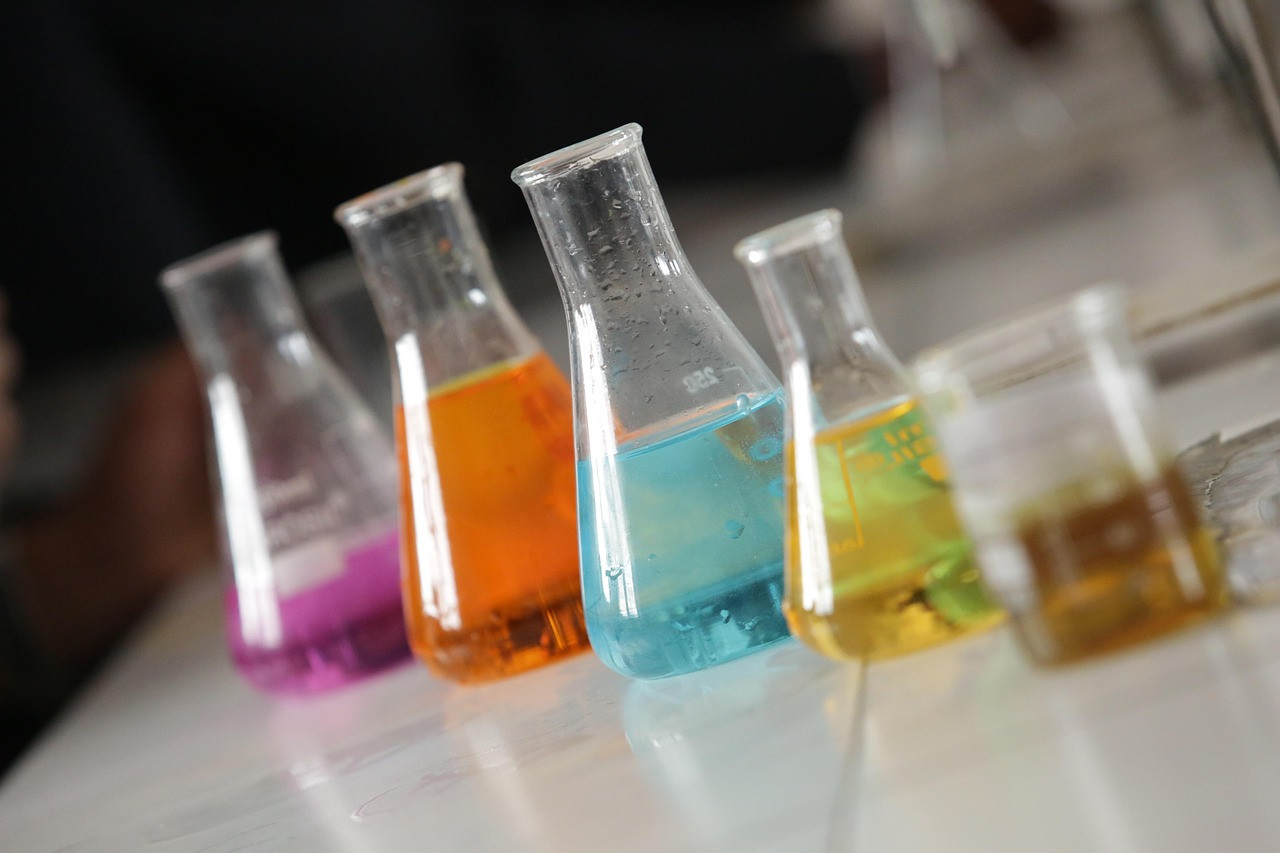
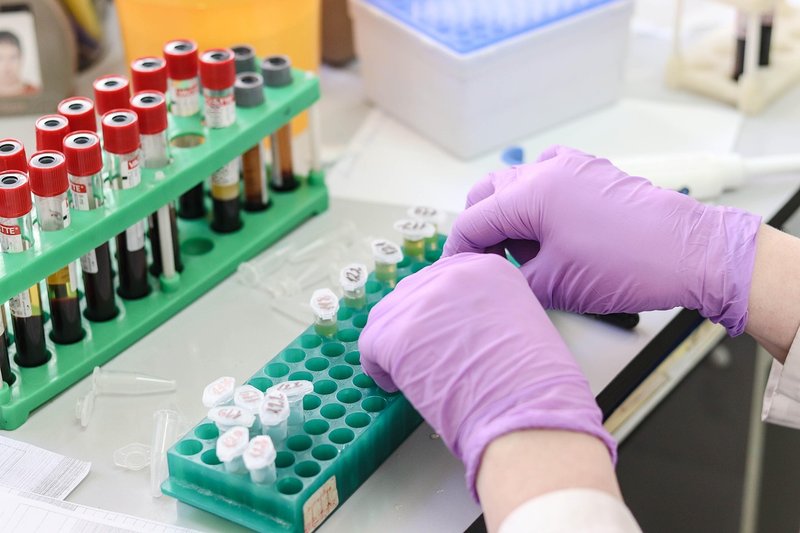
Representative image: deepakrit / Pixabay
Warp Sciences, founded by former OpenAI science lead Kevin Weil, came out of stealth on 22 October 2026 with $215 million at an $865 million valuation to build a robotic chemistry lab.
What Happened
Warp Sciences, a start-up founded by Kevin Weil, who led science work at OpenAI until earlier this year, came out of stealth on 22 October 2026 with $215 million in funding at a valuation of $865 million, according to Weil's announcement and reports on the round. The round was led by the venture firm Lightspeed, with IVP, Premji Invest and Lux Capital also taking part, according to reports. Warp is building a largely automated chemistry laboratory in the United States, run by robots and artificial intelligence (AI), to carry out the repetitive experiments that drug companies need when they refine a promising medicine.
Key Facts
- Funding: $215 million at an $865 million valuation, announced on 22 October 2026.
- Investors: Lightspeed led; IVP, Premji Invest and Lux Capital participated, according to reports.
- Founder: Kevin Weil, who left OpenAI in April 2026 after its science unit was folded into other teams, according to reports.
- What it does: chemistry work for drug developers in a US lab using robotic arms and AI models. Reports describe it as a contract research organisation that does not develop its own drugs.
- Team: about 20 people. The company has bought robotic arms and AI chips, and its chemists wear cameras and pressure-sensing gloves to record how experiments are done, data used to train its AI.
- The company has not yet launched a public product, so the valuation reflects investors' expectations rather than revenue.
Why It Matters
Developing a medicine involves a long middle stage called lead optimisation. Once researchers find a molecule that acts on a disease target, chemists make hundreds or thousands of slightly different versions of it to improve how well it works, how safely the body handles it and how easily it can be made. This is skilled but repetitive work. For many years drug companies have outsourced much of it to large contract research firms, many of them in China, such as WuXi AppTec.
Warp's bet is that robots guided by AI can do this work faster and more consistently, and within the United States. The approach of recording human chemists with cameras and sensor gloves is a way of teaching machines the many small physical steps of laboratory work that are rarely written down. If it works, a single automated lab could run experiments around the clock and feed results straight back into AI models that suggest the next molecules to try.
The timing reflects two trends. AI companies and their former staff are moving from software into the physical sciences, where data from real experiments is scarce and valuable. At the same time, US policy-makers and drug companies have been looking for ways to depend less on Chinese contractors for research and manufacturing. A domestic, automated lab speaks to both.
There is an Indian link in the funding. Premji Invest, the investment arm associated with Wipro founder Azim Premji, is among the backers. India itself has a large contract research and drug manufacturing industry, from early chemistry services to generic medicines, so automated labs in the US are a development Indian contract research firms will watch closely as both potential competition and a source of new tools.
| Item | Detail |
|---|---|
| Company | Warp Sciences |
| Announced | 22 October 2026 |
| Amount raised | $215 million |
| Valuation | $865 million |
| Lead investor | Lightspeed |
Impact
Short-term: Warp will use the money to build and equip its lab, add staff and collect the experimental data its models need. Drug companies may begin trial projects to compare its speed and cost with established contract research firms.
Long-term: If robotic labs prove reliable, the time and cost of the lead-optimisation stage could fall, and more of this work could move back to the US. The model still has to show it can match experienced chemists on difficult molecules.
Who is affected: Drug developers and biotech start-ups, contract research organisations in China, India and elsewhere, laboratory chemists whose routine work may be automated, and investors betting on AI in science.
Key Takeaway
Kevin Weil's Warp Sciences has raised $215 million to replace much of the repetitive chemistry in drug development with robots and AI in a US lab, a direct challenge to outsourced contract research.
Questions and Answers
What is Warp Sciences?
A US start-up founded by former OpenAI science lead Kevin Weil that is building an automated chemistry lab, run by robots and AI, to perform drug-optimisation experiments for pharmaceutical companies. It launched publicly on 22 October 2026.
How much did Warp Sciences raise and who invested?
$215 million at an $865 million valuation. Lightspeed led the round, and IVP, Premji Invest and Lux Capital also invested, according to reports.
What is lead optimisation in drug development?
It is the stage after a promising molecule is found, when chemists make and test many slightly changed versions to improve its effect, safety and ease of manufacture before clinical trials.
Does Warp Sciences develop its own drugs?
No. Reports describe it as a contract research organisation that does chemistry work for drug companies rather than discovering medicines of its own.
Disclaimer: Prepared by the Peepals newsroom from publicly available sources with AI assistance. Information is accurate to the best of our knowledge at the time of publication and may change. Images may be representative. Not professional advice. Report an error via our contact page.
Sourced and fact-checked by the Peepals Global Editorial Team
Reported, fact-checked and published by the Peepals Global Editorial Team.