
Inception launches Mercury 3 diffusion AI model, claims 4-8 times faster speed
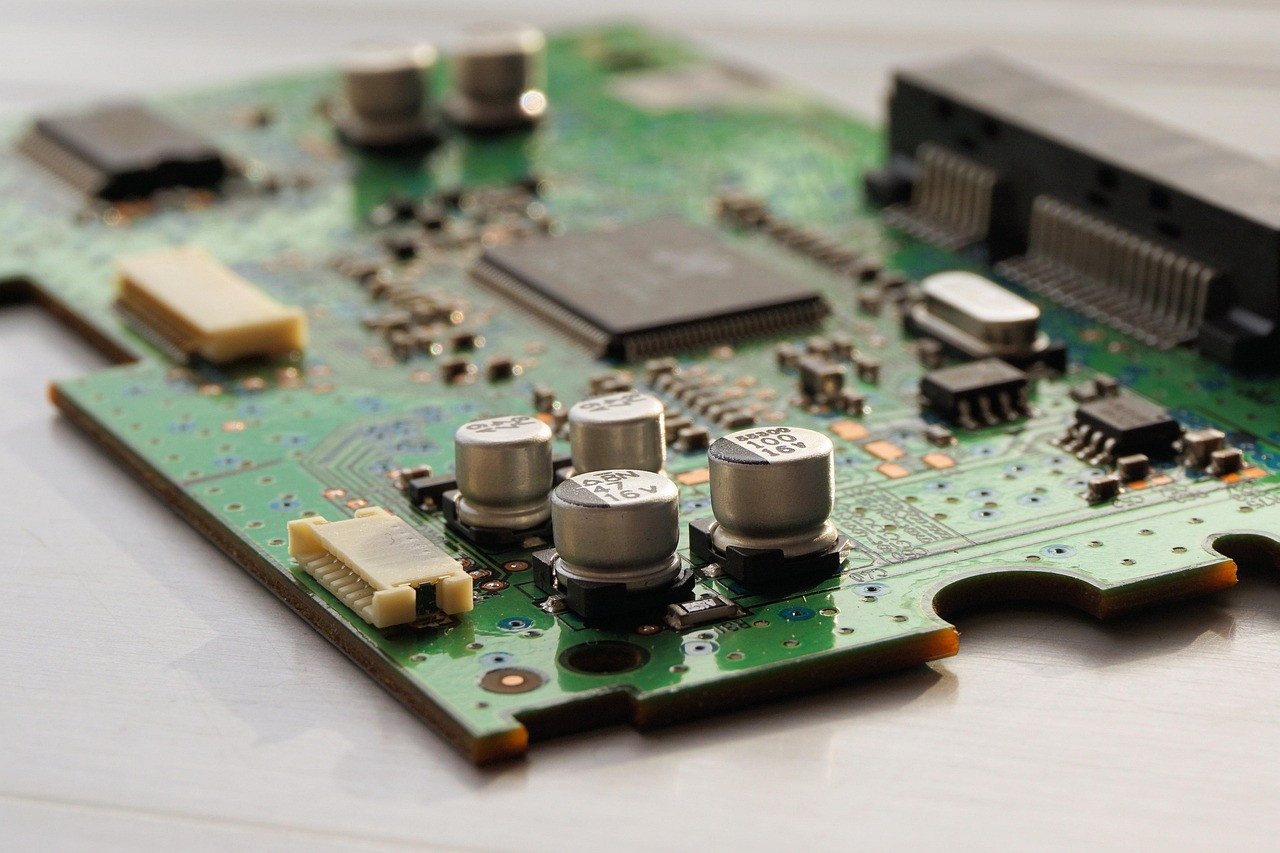
Representative image: webandi / Pixabay
US start-up Inception released Mercury 3 on October 19, 2026, a diffusion-based language model it says runs 4-8 times faster than rivals; independent checks are pending.
What Happened
Inception, a US artificial intelligence start-up, released Mercury 3 on October 19, 2026, a large language model built on a technique called diffusion rather than the word-by-word method used by most chatbots. The company says the model generates 1,068 tokens per second on Nvidia graphics chips, runs four to eight times faster than comparable models, and can handle a context of one million tokens. It is available through Inception's own platform and services such as OpenRouter. Independent experts have noted that the launch materials do not yet include benchmark scores that can be checked against standard tests.
Key Facts
- Mercury 3 was released on October 19, 2026, and Inception calls it its most capable diffusion-based model so far.
- The company claims a speed of 1,068 tokens per second on Nvidia GPUs; a token is a small piece of text, roughly three-quarters of a word on average in English.
- Its context window, the amount of text it can consider at once, is one million tokens, up from 260,000 for the earlier Mercury 2.5.
- Inception says the model is more than 40 times larger than its first Mercury model while staying as fast.
- The company claims Mercury 3 beats some rival small, fast models on a range of benchmarks; these are its own claims.
- Independent benchmarking firm Artificial Analysis cautioned that some scores in the announcement do not follow its methodology and are not comparable with its own results.
- The model is offered through Inception's API, OpenRouter, Baseten, Vercel and the company's chat service; Mercury 2 and 2.5 are being retired for new users.
Why It Matters
Most AI chatbots work like a very fast typist: they produce text one token at a time, each word depending on the ones before it. Diffusion models work differently. They start with a rough, noisy draft of the whole answer and refine it in a few passes, improving many words at once. The same idea powers popular image generators. Its supporters argue that for text it can be much faster and cheaper, because the computer can work on many parts of the answer in parallel.
Speed matters more than it might seem. For coding assistants, customer service bots or voice agents, a delay of a second or two can make a product feel slow. Faster models can also be cheaper to run, which makes AI more affordable for start-ups and for services aimed at price-sensitive users, including in India.
But speed is only useful if the answers are good. That is why the lack of independently checkable benchmark scores matters. Companies often present results on tests they choose, under conditions they control. Until independent evaluators run the model on standard benchmarks, buyers should treat the performance claims as unverified and test the model on their own tasks.
For Indian developers and AI start-ups, Mercury 3 is another option in a crowded field. Because it is available through common platforms, teams can try it alongside other models. Its long context window could help with tasks such as reading long legal or financial documents, and its speed could suit real-time applications. Whether it is good enough in Indian languages is something users will need to check for themselves; the launch materials do not make specific claims about them.
| Item | Mercury 3, as described by Inception |
|---|---|
| Release date | October 19, 2026 |
| Method | Diffusion language model |
| Claimed speed | 1,068 tokens per second on Nvidia GPUs |
| Context window | 1 million tokens |
| Availability | Inception API, OpenRouter, Baseten, Vercel, Mercury Chat |
Impact
Short-term: Developers can test Mercury 3 through existing platforms, and independent benchmarking groups are likely to publish their own scores in the coming days and weeks.
Long-term: If diffusion models prove they can match conventional models on quality while being much faster, they could push the industry towards cheaper, quicker AI services. If not, they may remain a niche choice for tasks where speed matters more than depth.
Who is affected: AI developers and start-ups choosing which models to build on, companies running chatbots and coding tools, cloud and chip providers, and users of AI products who notice speed and cost.
Key Takeaway
Inception's Mercury 3, launched on October 19, is a diffusion-based AI model claimed to be several times faster than rivals, but its quality claims await independent testing.
Questions and Answers
What is Mercury 3?
It is a large language model from US start-up Inception, released on October 19, 2026. Unlike most chatbots, it uses diffusion, generating and refining a whole answer in parallel instead of word by word.
How fast is Mercury 3?
Inception says it produces 1,068 tokens per second on Nvidia GPUs and runs four to eight times faster than comparable models. These figures are the company's own.
Has Mercury 3 been independently tested?
Not fully. Independent benchmarking firm Artificial Analysis said some scores in the announcement were not comparable with its own methodology, so independent results are still awaited.
What is a diffusion language model?
It is an AI model that starts with a rough draft of the full text and improves it over several steps, working on many words at once. The same approach is widely used in AI image generators.
Disclaimer: Prepared by the Peepals newsroom from publicly available sources with AI assistance. Information is accurate to the best of our knowledge at the time of publication and may change. Images may be representative. Not professional advice. Report an error via our contact page.
Sourced and fact-checked by the Peepals Global Editorial Team
Tech job openings reach 18-month high of 1.23 lakh; few for freshers
AI chip firm Tenstorrent raises $1.5 billion at $6.2 billion valuation
Reported, fact-checked and published by the Peepals Global Editorial Team.