
OpenAI buys Orchestra Bio to bring AI agents into drug development
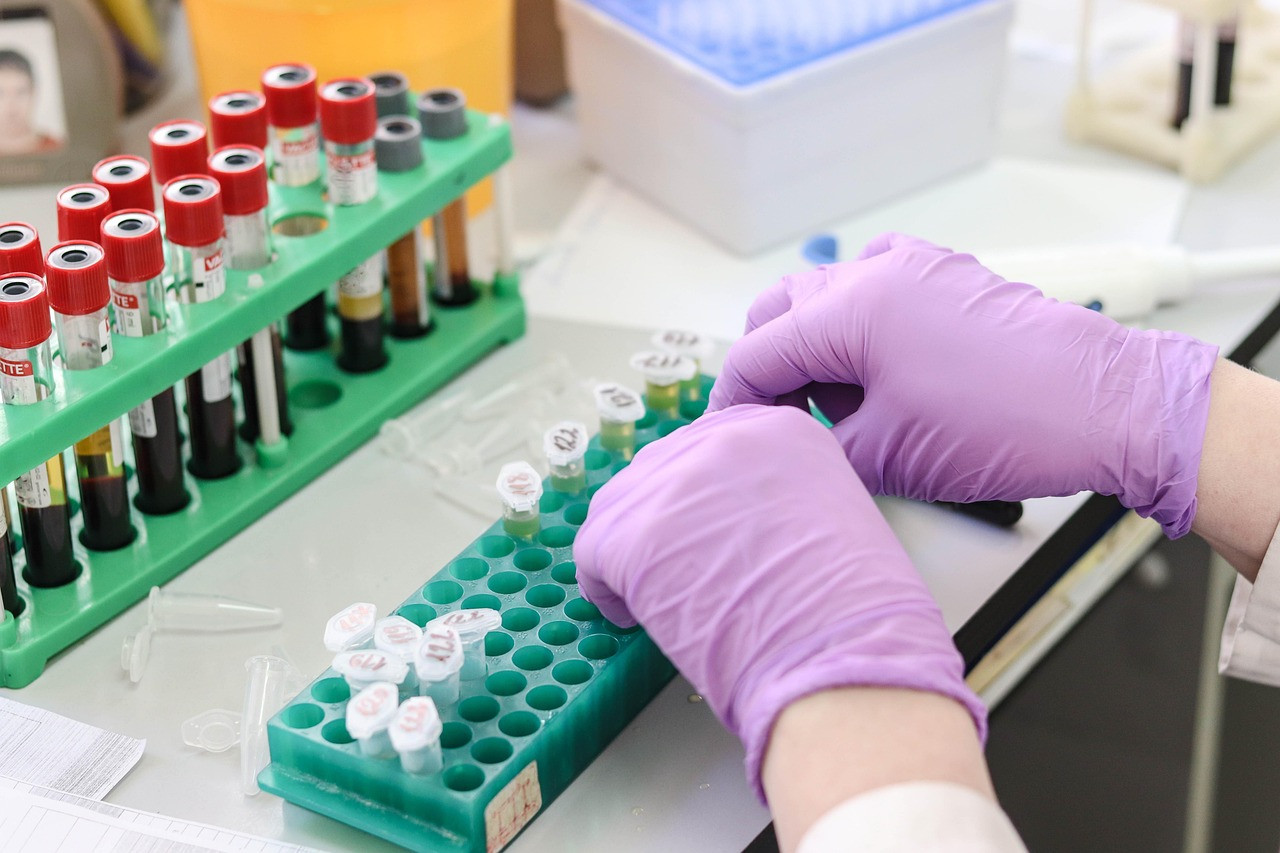
Representative image: Belova59 / Pixabay
OpenAI said on October 20, 2026 it bought San Francisco start-up Orchestra Bio, whose AI agents manage drug development, for its Rosalind life sciences suite.
What Happened
OpenAI said on Tuesday, October 20, 2026 that it has acquired Orchestra Bio, a San Francisco start-up that builds artificial intelligence agents to help drug companies run their development programmes. OpenAI said Orchestra's team and technology will join Rosalind, its set of AI models and tools for the life sciences. Financial terms were not disclosed. The deal was first reported by the news site Axios.
Key Facts
- Buyer and target: OpenAI, the maker of ChatGPT, acquired Orchestra Bio, a San Francisco-based start-up, as announced on OpenAI's website on October 20, 2026.
- What Orchestra does: its software uses AI agents to handle drug development operations such as monitoring studies, tracking timelines and flagging delays.
- Where it goes: Orchestra's people and technology will become part of Rosalind, OpenAI's life sciences suite, which lists drugmakers Moderna and Novo Nordisk among its customers, according to reports.
- Funding history: Orchestra had raised about $20 million as of 2025 from investors including Andreessen Horowitz, Atria and 8VC, according to reports.
- Price: not disclosed.
- Context: the deal follows Anthropic's purchase of biotech start-up Coefficient Bio in April 2026, reported at about $400 million.
Why It Matters
Developing a new medicine takes many years and involves thousands of moving parts: laboratory work, safety studies, clinical trials at many hospitals, regulatory filings and manufacturing plans. Much of the delay and cost comes not from science but from coordination, keeping track of who is doing what, spotting a trial site that is falling behind, and making sure documents are ready on time. Orchestra built software in which AI agents, programs that can plan and carry out tasks on their own, take on part of this project management.
For OpenAI, the purchase is a step from general-purpose chatbots towards specialised products for a single industry with deep pockets. By folding Orchestra into Rosalind, OpenAI can offer drug companies not just models that answer scientific questions but tools that work inside their day-to-day operations. That is where many AI companies see the next source of revenue: selling agents that do specific jobs for businesses, rather than general assistants.
The deal also shows how the leading AI labs are competing to buy small, specialised start-ups instead of building every capability themselves. Anthropic's reported $400 million purchase of Coefficient Bio in April was an earlier move in the same field. For founders of narrow, industry-focused AI start-ups, such deals point to a clear exit route: being bought by a large lab that wants their expertise and customer relationships.
For India, which has a large pharmaceutical industry and many companies that run clinical trials and research services for global drugmakers, AI tools that automate the coordination of drug development are worth watching. They could become useful tools for those firms, or a source of competition for some of the services they provide.
| Point | Detail |
|---|---|
| Announced | October 20, 2026 |
| Buyer | OpenAI |
| Target | Orchestra Bio, San Francisco |
| Use | AI agents for drug development operations |
| Price | Not disclosed |
Impact
Short-term: Orchestra's customers will move under OpenAI's Rosalind product. Rival AI labs and life sciences software companies may speed up their own deals or product launches in drug development.
Long-term: If AI agents prove able to cut delays in drug development, they could shorten the time and lower the cost of bringing medicines to market. That remains to be shown in practice, and drug companies will need to satisfy regulators that AI-managed processes are reliable.
Who is affected: Drug companies and biotech firms, contract research organisations that run trials, AI start-ups building tools for specific industries, and their investors.
Key Takeaway
OpenAI bought San Francisco start-up Orchestra Bio on October 20, 2026 to add AI agents for drug development to its Rosalind life sciences suite, without disclosing the price.
Questions and Answers
What is Orchestra Bio, which OpenAI acquired?
Orchestra Bio is a San Francisco start-up that builds AI agents to help drug companies manage development programmes, including monitoring studies, tracking timelines and flagging delays. It had raised about $20 million as of 2025.
How much did OpenAI pay for Orchestra Bio?
The financial terms of the deal, announced on October 20, 2026, were not disclosed.
What is OpenAI's Rosalind?
Rosalind is OpenAI's set of AI models and tools for the life sciences. Orchestra's team and technology will become part of it, and reports say its customers include Moderna and Novo Nordisk.
Are other AI companies buying biotech start-ups?
Yes. Anthropic bought biotech start-up Coefficient Bio in April 2026, in a deal reported at about $400 million.
Disclaimer: Prepared by the Peepals newsroom from publicly available sources with AI assistance. Information is accurate to the best of our knowledge at the time of publication and may change. Images may be representative. Not professional advice. Report an error via our contact page.
Sourced and fact-checked by the Peepals Global Editorial Team
Harmanpreet's 91* helps India women sweep Zimbabwe 3-0 in T20Is
Beatles approve their songs for a West End Yesterday musical
Reported, fact-checked and published by the Peepals Global Editorial Team.