
Spain's King Felipe visits Ceuta and Melilla; Morocco keeps official silence
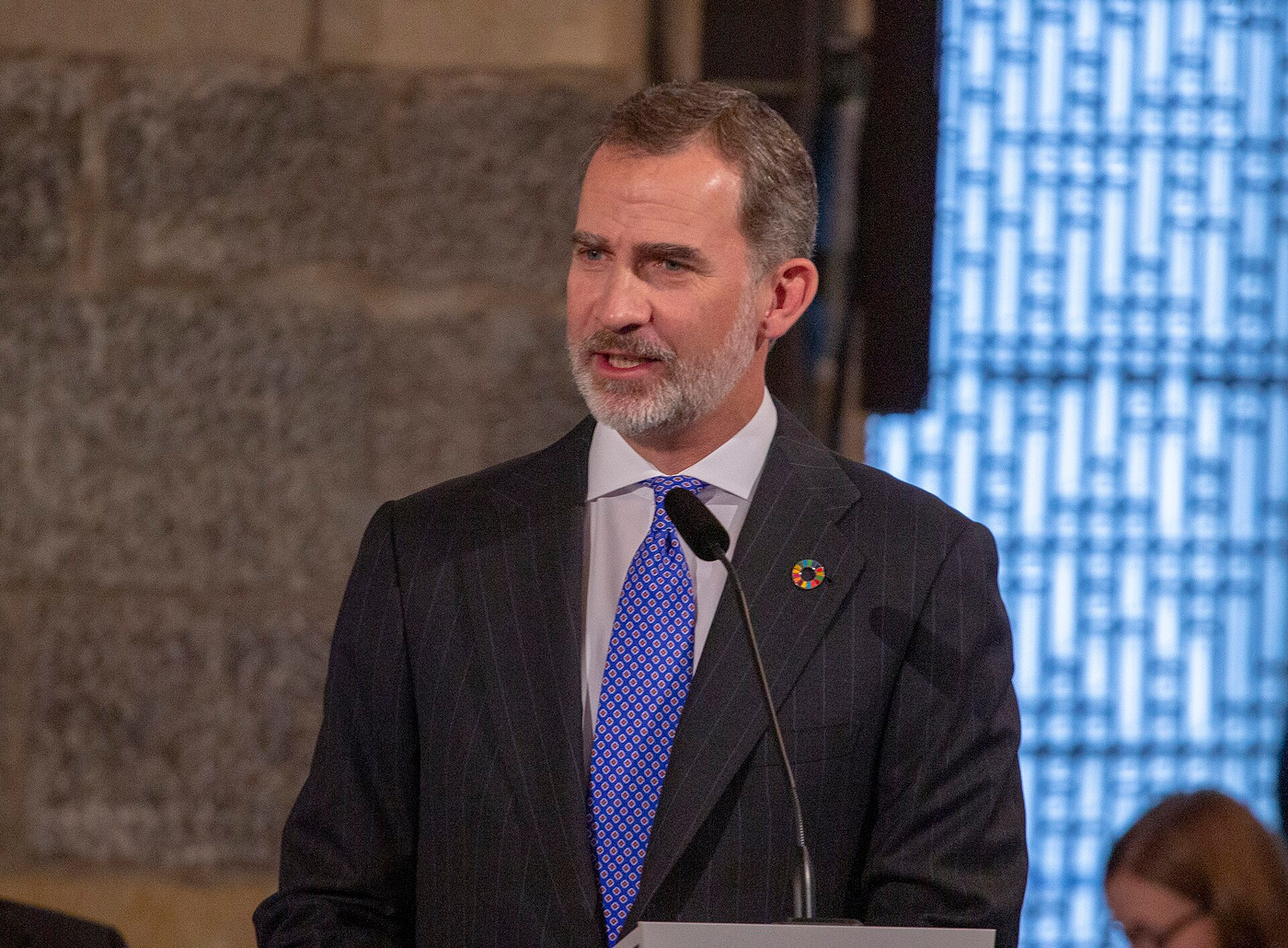
File photo: Olaf Kosinsky (CC BY-SA 3.0 de), via Wikimedia Commons
King Felipe VI and Queen Letizia visit Ceuta on October 13 and Melilla on October 14, 2026, the first royal trip there since 2007; Morocco has made no official comment.
What Happened
Spain's King Felipe VI and Queen Letizia are making an official visit to Ceuta on Tuesday, October 13, 2026, and to Melilla on Wednesday, October 14, the two Spanish cities on the north coast of Africa that Morocco claims as its own. It is the first royal visit to the two cities since King Juan Carlos I went there in November 2007, a trip that set off a diplomatic row with Rabat. This time, Morocco's government has made no official comment: no statement from its foreign ministry, the government or the royal palace had been issued as the visit began.
Key Facts
- The Spanish royal household set the dates: Ceuta on October 13 and Melilla on October 14. Royal household sources said the trip was agreed between the government and the Crown.
- In Ceuta, the programme begins at City Hall, where the royal couple receive the keys to the city, followed by a school visit and a stop at the Sidi Mubarak Muslim cemetery, where people who died in the July border crossings are buried. The day ends with a speech by the king to local residents.
- In Melilla, the visit opens at the city's Assembly on the morning of October 14 and ends with a speech by the king to representatives of local society.
- Spanish Foreign Minister José Manuel Albares has said the king and queen need no one's permission to visit a Spanish city.
- In 2007, Morocco issued a statement of "regret and rejection" over Juan Carlos's visit and recalled its ambassador from Madrid for consultations.
- Moroccan media have been far more outspoken than the government, with several outlets describing the two cities as occupied.
Why It Matters
Ceuta and Melilla are Spain's only land borders with Africa and, in effect, the European Union's only land frontier on that continent. Spain has held Melilla since 1497, and Ceuta passed to Spain from Portugal under the Treaty of Lisbon in 1668. Madrid regards them as integral parts of the country with the same status as any other Spanish city. Morocco, which surrounds both, has never accepted that and calls Ceuta by its Arabic name, Sebta. The dispute sits under almost every part of the relationship, from migration to trade and fishing.
The visit is also a test of a relationship that has been rebuilt over the past few years. Spain moved closer to Morocco's position on Western Sahara in 2022, a move that ended a crisis which had begun in May 2021, when thousands of people crossed into Ceuta in two days after Moroccan border controls were relaxed. A visit by the head of state to the disputed cities is a strong statement of sovereignty. Morocco's quiet response so far suggests Rabat does not want to put that cooperation at risk, though Moroccan analysts quoted in local media have warned that the timing is poor and that any response would come later and be measured.
The trip comes months after a mass crossing into Ceuta from Morocco in July 2026, in which people died. The royal household has said planning for the visit began before that crisis, but the king's stop at the cemetery where victims are buried keeps the human cost of the border in view.
| City | Date of royal visit | Held by Spain since |
|---|---|---|
| Ceuta | Tuesday, October 13, 2026 | 1668 (from Portugal) |
| Melilla | Wednesday, October 14, 2026 | 1497 |
Impact
Short-term: Attention will focus on the king's speeches in both cities and on whether Rabat breaks its silence after the visit ends, as it did in 2007.
Long-term: A muted Moroccan reaction would signal that both governments want to keep sovereignty disputes from derailing cooperation on migration, energy and trade across the Strait of Gibraltar.
Who is affected: Residents of Ceuta and Melilla, cross-border workers and traders, migrants trying to reach Europe through the two cities, and the Spanish and Moroccan governments.
Key Takeaway
Spain's king is visiting Ceuta and Melilla for the first time as monarch, and Morocco's official silence, unlike its anger in 2007, shows how much both sides now value their partnership.
Questions and Answers
When is King Felipe VI visiting Ceuta and Melilla?
He and Queen Letizia visit Ceuta on Tuesday, October 13, 2026, and Melilla on Wednesday, October 14, 2026.
Why is the visit sensitive?
Morocco claims both cities, which lie on the North African coast and border Moroccan territory. A visit by Spain's head of state is a clear assertion of Spanish sovereignty over them.
How did Morocco react the last time a Spanish king visited?
In November 2007, Morocco expressed its "regret and rejection" of King Juan Carlos I's visit and recalled its ambassador from Madrid for consultations.
Has Morocco responded this time?
As the visit began, Morocco's foreign ministry, government and royal palace had issued no statement, although Moroccan media had criticised the trip.
Disclaimer: Prepared by the Peepals newsroom from publicly available sources with AI assistance. Information is accurate to the best of our knowledge at the time of publication and may change. Images may be representative. Not professional advice. Report an error via our contact page.
Sourced and fact-checked by the Peepals Global Editorial Team
Reported, fact-checked and published by the Peepals Global Editorial Team.