
Nepal PM Balendra Shah's India visit: 8 MoUs, Kandla port access, aid package
 By Rohan SalujaGeopolitics Editor, Peepals Global
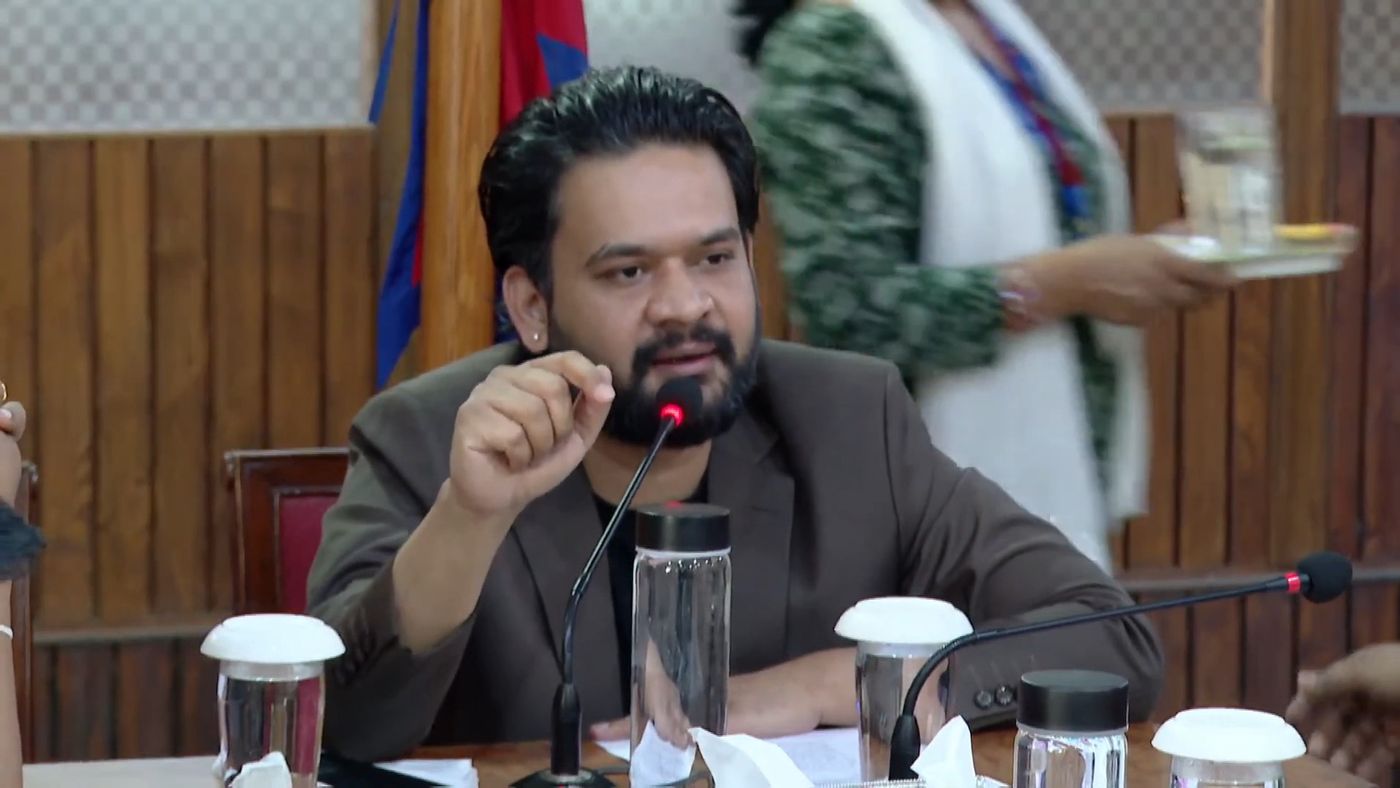
File photo: Metro News (CC BY 3.0), via Wikimedia Commons
India and Nepal signed eight MoUs on 23 November 2026; Modi announced a NPR 24,000 crore package and Kandla port access for Nepal.
Nepal: what happened
India and Nepal signed eight memorandums of understanding (MoUs) and adopted a joint vision called "Viksit Bharat and Samunnat Nepal" as Nepal's Prime Minister Balendra Shah ended his two-day state visit to New Delhi on Monday, 23 November 2026. Prime Minister Narendra Modi announced a development package of 24,000 crore Nepalese rupees, India agreed to give Nepal transit access through Deendayal Port at Kandla, and the two leaders virtually laid the foundation stone of the 669 MW Lower Arun hydroelectric project.
Nepal: key facts
- Visit: Nepal PM Balendra Shah's two-day state visit to India ended on 23 November 2026, the Nepal government's joint press release said.
- Agreements: eight MoUs covering space technology, security and forensic training, civil service training, health, traditional medicine, sustainable urban development, and livestock and fisheries.
- Police and forensics: the National Forensic Sciences University in Gandhinagar signed with Nepal Police's Crime Investigation Department, and Rashtriya Raksha University with Nepal's National Police Academy.
- Civil service: India's National Centre for Good Governance signed with the Nepal Administrative Staff College to train civil servants.
- Money: a package of 24,000 crore Nepalese rupees, about Rs 15,000 crore.
- Ports: transit access for Nepal through Deendayal Port (Kandla, Gujarat); access through Paradip Port in Odisha once the needed infrastructure is ready, the joint statement said.
- Energy: foundation stone laid virtually for the 669 MW Lower Arun Hydro-Electric Project; both sides agreed to speed up hydropower projects built by Indian companies in Nepal.
- Border: the leaders noted progress in repairing boundary pillars and asked their foreign secretaries to work on outstanding boundary issues.
Nepal: why it matters
Nepal is a landlocked country, so its overseas trade must pass through a neighbour's ports. Adding Kandla on India's west coast, and later Paradip on the east coast, gives Nepali importers and exporters more routes to choose from, which can help when one route is slow or congested. For India, it deepens the economic links that keep Nepal's trade flowing through Indian territory.
Both sides used the state visit to set a broad agenda rather than settle a single issue. The joint vision document names new areas of work: climate resilience, disaster management, sports, start-ups, digital services, space and innovation. Several of the MoUs are about training people, from police investigators to civil servants, which tends to build long working relationships between institutions in the two countries.
Hydropower was the main economic item. The leaders laid the foundation stone of the 669 MW Lower Arun project and agreed to speed up the hydropower projects that Indian companies are developing in Nepal. Faster completion matters to Nepal, which earns from the power plants, and to India, which gains another source of electricity close to its northern and eastern states.
The border is the most sensitive point. By asking the foreign secretaries to work on outstanding boundary issues, the two governments kept the subject on the official table without announcing any change. Neither side published details of what those issues are or a timetable for talks.
Peepals calculation: the package of 24,000 crore Nepalese rupees was put at about Rs 15,000 crore, which reflects a rate of 1.6 Nepalese rupees to one Indian rupee (24,000 ÷ 15,000 = 1.6). The package also works out to about Rs 1,875 crore for each of the eight MoU areas, if it were spread evenly (15,000 ÷ 8 = 1,875), though the governments have not said how it will be divided. Our calculation from the reported figures.
| Area | Outcome |
|---|---|
| Development aid | package of 24,000 crore Nepalese rupees (about Rs 15,000 crore) |
| Ports | Kandla now; Paradip once infrastructure is ready |
| Hydropower | foundation stone for 669 MW Lower Arun project |
| Security | NFSU and RRU pacts with Nepal Police institutions |
| Governance | civil service training with Nepal Administrative Staff College |
Nepal: impact
Short-term: Nepali traders can begin planning shipments through Kandla. Training programmes under the police, forensic and civil service MoUs are the most immediate visible outcome.
Long-term: The hydropower and port decisions shape Nepal's trade and energy economy for years. How the 24,000 crore Nepalese rupee package is spent, and on which projects, will decide how much of the visit's promise reaches people on the ground.
Who is affected: Nepali importers and exporters; Indian and Nepali companies in hydropower; police, forensic and civil service officials who will train under the MoUs; and people in border districts of both countries.
What to watch next: Work by the two foreign secretaries on the outstanding boundary issues, and the readiness of Paradip Port for Nepal's cargo, which the joint statement made conditional on infrastructure.
Nepal: key takeaway
Watch which projects the 24,000 crore Nepalese rupee package funds and when Paradip opens to Nepali cargo, since those two steps will show whether the visit's agreements turn into results.
Nepal: questions and answers
What agreements did India and Nepal sign during Balendra Shah's visit?
They signed eight MoUs, covering space technology, police and forensic training, civil service training, health, traditional medicine, sustainable urban development, and livestock and fisheries.
Which Indian ports can Nepal now use?
India agreed to give Nepal transit access through Deendayal Port at Kandla in Gujarat. Access through Paradip Port in Odisha will follow once the required infrastructure is in place, according to the joint statement.
What is the Lower Arun project?
It is a 669 MW hydroelectric project in Nepal. Prime Ministers Modi and Shah laid its foundation stone virtually on 23 November 2026 and agreed to speed up hydropower projects being built by Indian companies in Nepal.
Did the two countries settle their border issues?
No. They noted progress on maintaining and repairing boundary pillars and asked their foreign secretaries to work on the outstanding boundary issues. No timetable was announced.
Disclaimer: Prepared by the Peepals newsroom from publicly available sources with AI assistance. Information is accurate to the best of our knowledge at the time of publication and may change. Images may be representative. Not professional advice. Report an error via our contact page.
By Rohan Saluja, Geopolitics EditorCovers Geopolitics and more for Peepals Global. All stories by Rohan Saluja
Pozzo's Watford sack Alessio Dionisi after three wins in 13 games
Sierra raises $1.75 billion at $30 billion as AI customer service booms
Your week ahead, every Sunday. Free.
Exam and result dates, IPOs opening, scheme deadlines, government holidays and the RBI decision for the next 7 days, plus the week's top stories. One email a week, unsubscribe in one click.
Rohan Saluja is a pen name of the Peepals Global Editorial Team, which researches, fact-checks and publishes every story. The portrait is an illustration.
Responsible for this story: the Peepals Global Editorial Team, led by editor Prashant Sonar. How we report