
GM Ventures leads $108 million round in sodium-ion battery maker Peak Energy
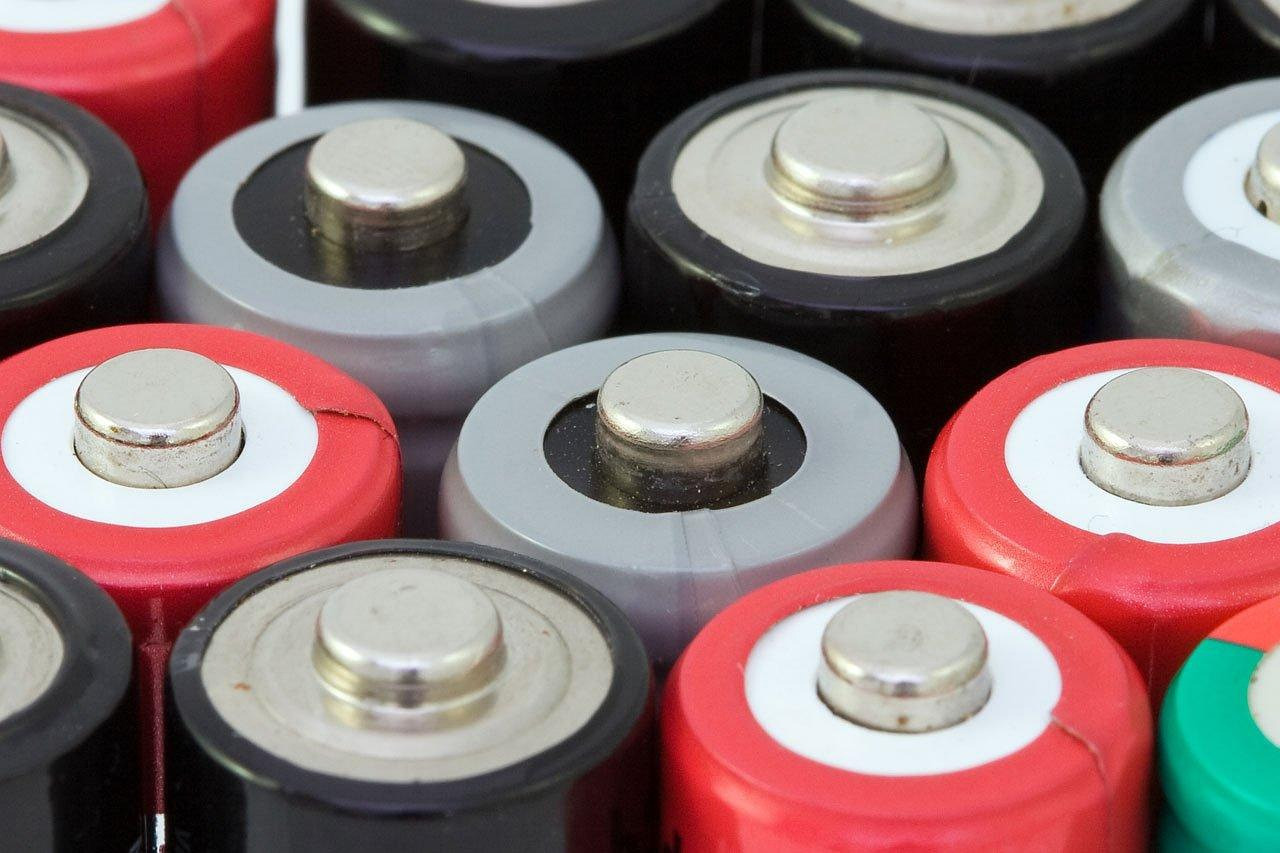
Representative image: PublicDomainPictures / Pixabay
US start-up Peak Energy raised $108 million led by GM Ventures on 21 October 2026 to build sodium-ion grid batteries and fill over $1 billion in orders.
What Happened
Peak Energy, a US start-up that makes sodium-ion battery systems for storing electricity on the power grid, said on Wednesday, 21 October 2026 that it had raised $108 million in a Series B funding round led by GM Ventures, the investment arm of carmaker General Motors. Other investors in the round include Maverick Silicon, Infinite Capital, Eclipse, Xora Innovation and LG Technology Ventures. The company says it will use the money to scale up manufacturing in the United States, fill more than $1 billion in customer orders and start selling to data centres.
Key Facts
- Round: $108 million Series B, led by GM Ventures; the company described it as oversubscribed. Neither the valuation nor the size of GM's share was disclosed.
- Other investors: Maverick Silicon, Infinite Capital, Eclipse, Xora Innovation and LG Technology Ventures.
- Total funding disclosed so far: at least $173 million, according to reports on the round.
- Product: passively cooled sodium-ion energy storage systems. The company says they can cut costs by up to 20% compared with conventional storage, need no water for cooling and reduce fire risk.
- Orders: more than $1 billion in customer commitments from utilities, power producers and data centres, according to the company.
- Factory: a plant in Sacramento, California, with a planned capacity of 4 gigawatt-hours a year, targeted to start production in the first quarter of 2027.
- GM link: in June 2026 the two companies agreed to jointly develop next-generation sodium-ion cells.
- Leadership: Landon Mossburg is co-founder and chief executive.
Why It Matters
Most batteries used today, in phones, electric cars and large grid storage sites, are lithium-ion batteries. Sodium-ion batteries work in a similar way, but they use sodium, which is found in ordinary salt and is far more plentiful and widely spread than lithium. Sodium-ion cells usually store less energy for their weight, which makes them less suited to cars, but weight matters much less for a battery that sits in a fixed spot next to a solar farm or a data centre. That is the market Peak Energy is aiming at.
Grid storage has become more important as more electricity comes from solar and wind, which do not produce power at all hours. Batteries store energy when it is plentiful and release it when demand peaks. At the same time, large data centres built for artificial intelligence are drawing heavy amounts of power and looking for reliable backup and storage. Peak Energy's plan to enter the data centre market follows that demand.
The company's main selling points are its claims on cost and safety. "Passive cooling" means the system does not use pumps, fans or water to keep the batteries cool, which the company says lowers running costs and maintenance. These are the company's own claims; independent long-term performance data at scale are not yet public. The backing of GM and of LG Technology Ventures, the venture arm of the LG group, does show that large industrial firms are taking sodium-ion technology seriously as an alternative to lithium.
There is also an important caution. The $1 billion order book depends on the Sacramento factory, which is not due to start production until early 2027. Until then, the orders are commitments rather than delivered products, and the company has to show it can build at volume, on time and at the costs it has promised. Analysts covering the round have pointed to this gap between orders and output.
For Indian founders and investors, the round shows where global money in energy is moving: towards storage for power grids and for data centres, and towards battery chemistries that rely less on scarce materials. India is adding large amounts of solar and wind power and will need storage too, so the progress of sodium-ion makers is worth watching.
| Detail | Figure |
|---|---|
| Series B size | $108 million |
| Lead investor | GM Ventures |
| Customer commitments (company figure) | more than $1 billion |
| Planned factory capacity | 4 GWh a year, Sacramento |
| Production start (target) | first quarter of 2027 |
Impact
Short-term: Peak Energy has the cash to prepare its Sacramento plant, hire and start its data centre push. GM deepens a relationship that began with the joint cell development agreed in June.
Long-term: If the factory starts on time and the systems perform as claimed, sodium-ion could win a larger share of grid and data centre storage, easing pressure on lithium supply. If production is delayed, the order book may be at risk.
Who is affected: Utilities, power producers and data centre operators looking for storage; battery makers using lithium-ion; GM and the other investors; and founders and investors in energy storage, including in India.
Key Takeaway
Peak Energy raised $108 million led by GM Ventures to build sodium-ion grid batteries in the US, but its $1 billion order book depends on a factory due to start only in 2027.
Questions and Answers
How much did Peak Energy raise and who led the round?
Peak Energy raised $108 million in a Series B round announced on 21 October 2026, led by GM Ventures, with Maverick Silicon, Infinite Capital, Eclipse, Xora Innovation and LG Technology Ventures also investing.
What is a sodium-ion battery?
It is a rechargeable battery that uses sodium instead of lithium to carry charge. Sodium is cheaper and more plentiful, but the cells hold less energy for their weight, so they suit fixed uses such as grid storage better than cars.
What will Peak Energy do with the money?
The company says it will scale up US manufacturing, including a planned 4 GWh-a-year factory in Sacramento, fill more than $1 billion in customer orders and enter the data centre market.
When will the Sacramento factory start production?
The company is targeting the first quarter of 2027.
Disclaimer: Prepared by the Peepals newsroom from publicly available sources with AI assistance. Information is accurate to the best of our knowledge at the time of publication and may change. Images may be representative. Not professional advice. Report an error via our contact page.
Sourced and fact-checked by the Peepals Global Editorial Team
Reported, fact-checked and published by the Peepals Global Editorial Team.