
Brazil election: Lula wins fourth term; Flavio Bolsonaro rejects result
 By Rohan SalujaGeopolitics Editor, Peepals Global
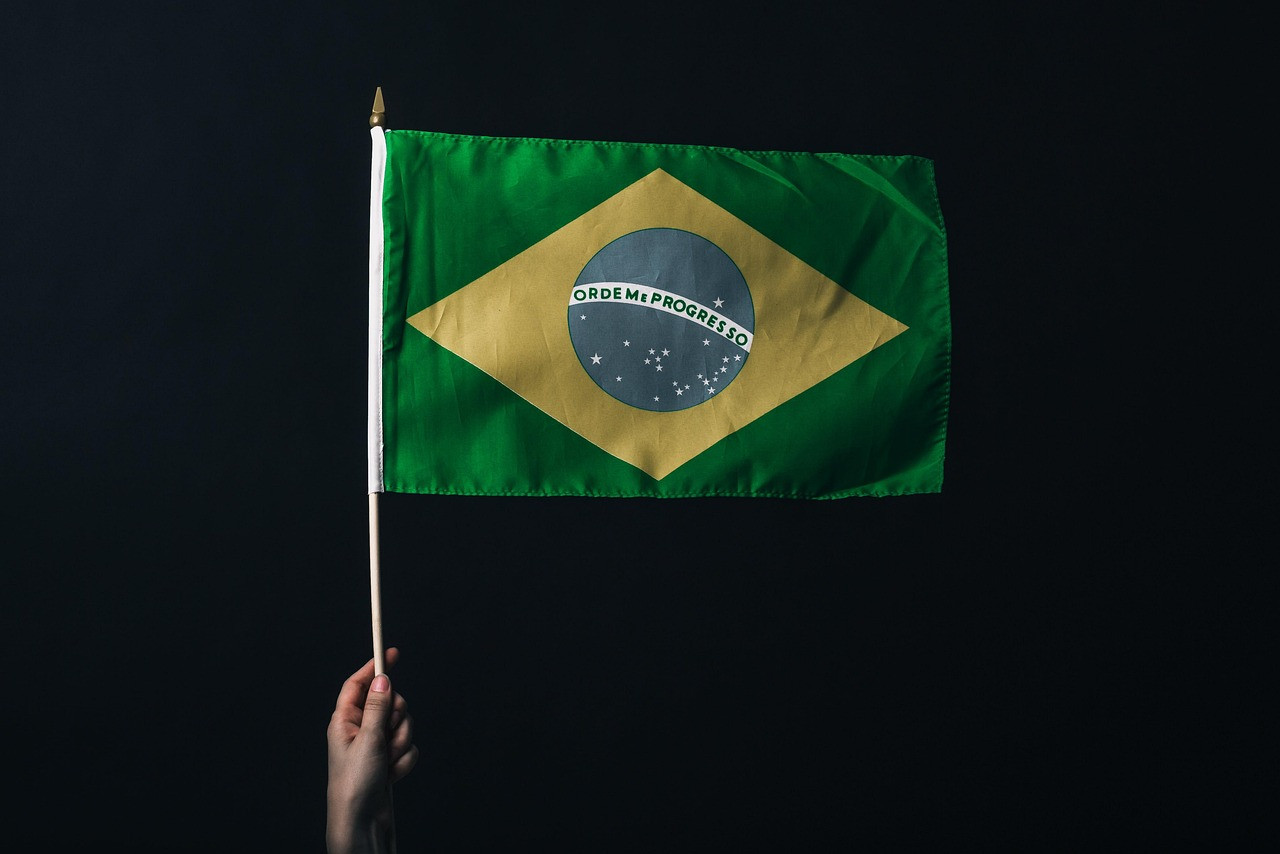
Representative image: pedrokauanamorimlima / Pixabay
Lula won Brazil's October 25, 2026 runoff with about 51.8% of votes against Flavio Bolsonaro, who said he would seek to annul the result.
What Happened
Luiz Inacio Lula da Silva won Brazil's presidential runoff on Sunday, October 25, 2026, securing a fourth term after defeating Senator Flavio Bolsonaro with about 51.8% of valid votes to 48.2%, according to Brazil's Superior Electoral Court (TSE). The margin was roughly 4.35 million votes with almost all ballots counted. Flavio Bolsonaro said he could not recognise the result and would seek its annulment, pointing in part to a Supreme Court decision to extend voting by two hours.
Key Facts
- Runoff held on Sunday, October 25, 2026; Lula took about 51.8% of valid votes and Flavio Bolsonaro about 48.2%, per the TSE.
- Lula's lead was about 4,350,257 votes with 99.77% of polling sections counted, and the TSE marked the result as mathematically decided.
- Lula had trailed after the first round on October 4; reports say it is the first time since direct elections returned in 1989 that a candidate who lost the first round has won the runoff.
- Flavio Bolsonaro, a senator, was quoted as saying it was "impossible to recognize this election" and that his side would request its annulment.
- A Supreme Court justice ordered voting extended by two hours after Lula's campaign alleged delays in voter transport, a decision that may prompt legal action by the Bolsonaro camp.
- In his victory speech, Lula said voters had turned out because they were convinced it was important to preserve democracy.
- One report says the new presidential term begins on January 5, 2027.
Why It Matters
Brazil is Latin America's largest country and economy, and its elections are watched closely around the world. This one was among the tightest in its recent history, a contest between Lula, the veteran left-wing leader, and Flavio Bolsonaro, son of former president Jair Bolsonaro and the standard-bearer of the right. The result keeps Lula in office for another term, but the narrow margin shows a country almost evenly divided.
The refusal of the losing candidate to accept the result is the immediate concern. Flavio Bolsonaro's call for annulment, and the possibility of legal action over the extension of voting hours, set up a period of political tension. Brazil's electoral court and Supreme Court will now be at the centre of any challenge. How quickly the dispute is settled, and whether it stays within the courts, will shape the country's stability in the weeks before the new term begins.
The comeback itself is notable. Lula trailed after the first round on October 4 and still won the runoff, something reports describe as unprecedented since direct presidential elections returned in 1989. It reflects a campaign that managed to win over voters who backed other candidates in the first round.
For India, Brazil is an important partner. The two countries sit together in the BRICS group and the G20. Continuity in Brasilia means New Delhi will deal with a familiar leader whose government has worked with India in those groupings. Indian companies doing business in Brazil will be watching for stability after the vote.
Brazil runoff, October 25, 2026 Candidate | Share of valid votes | Outcome Luiz Inacio Lula da Silva | about 51.8% | Elected for a fourth term Flavio Bolsonaro | about 48.2% | Says he will seek annulment
Impact
Short-term: Brazil faces a period of political tension as the Bolsonaro camp contests the result, with possible legal challenges over the extension of voting hours. Markets and foreign governments will watch how the electoral authorities and courts respond.
Long-term: A fourth Lula term will shape Brazil's economic policy, its approach to the Amazon and climate, and its role in groups such as BRICS and the G20 for the coming years.
Who is affected: Brazil's 200-million-plus citizens; investors in Latin America's largest economy; Brazil's partners in BRICS and the G20, including India; and neighbouring countries in South America.
Key Takeaway
Lula won Brazil's October 25 runoff with about 51.8% of the vote for a fourth term, but Flavio Bolsonaro's refusal to accept the result opens a period of legal and political tension.
Questions and Answers
Who won the Brazil election 2026?
Luiz Inacio Lula da Silva won the presidential runoff on October 25, 2026, with about 51.8% of valid votes against Flavio Bolsonaro's 48.2%, according to Brazil's Superior Electoral Court.
Has Flavio Bolsonaro accepted the result?
No. He said it was impossible to recognise the election and that his side would request its annulment. A Supreme Court decision to extend voting by two hours may be the basis of a legal challenge.
Why was Lula's win described as historic?
Lula trailed after the first round on October 4 but won the runoff. Reports say no candidate who lost the first round had won the runoff since direct elections returned in 1989.
What does Lula's win mean for India?
India and Brazil work together in BRICS and the G20. Lula's re-election means continuity in Brazil's leadership for India's diplomacy and trade with Latin America's largest economy.
Disclaimer: Prepared by the Peepals newsroom from publicly available sources with AI assistance. Information is accurate to the best of our knowledge at the time of publication and may change. Images may be representative. Not professional advice. Report an error via our contact page.
By Rohan Saluja, Geopolitics EditorCovers Geopolitics and more for Peepals Global. All stories by Rohan Saluja
Pigment raises $250 million at $2.3 billion value; Nvidia to invest
Reliable Robotics raises $115 million, tops $1 billion value for pilotless planes
Rohan Saluja is a pen name of the Peepals Global Editorial Team, which researches, fact-checks and publishes every story. The portrait is an illustration.