
Siemens-led investment values Estonia's Skeleton Technologies above $1 billion
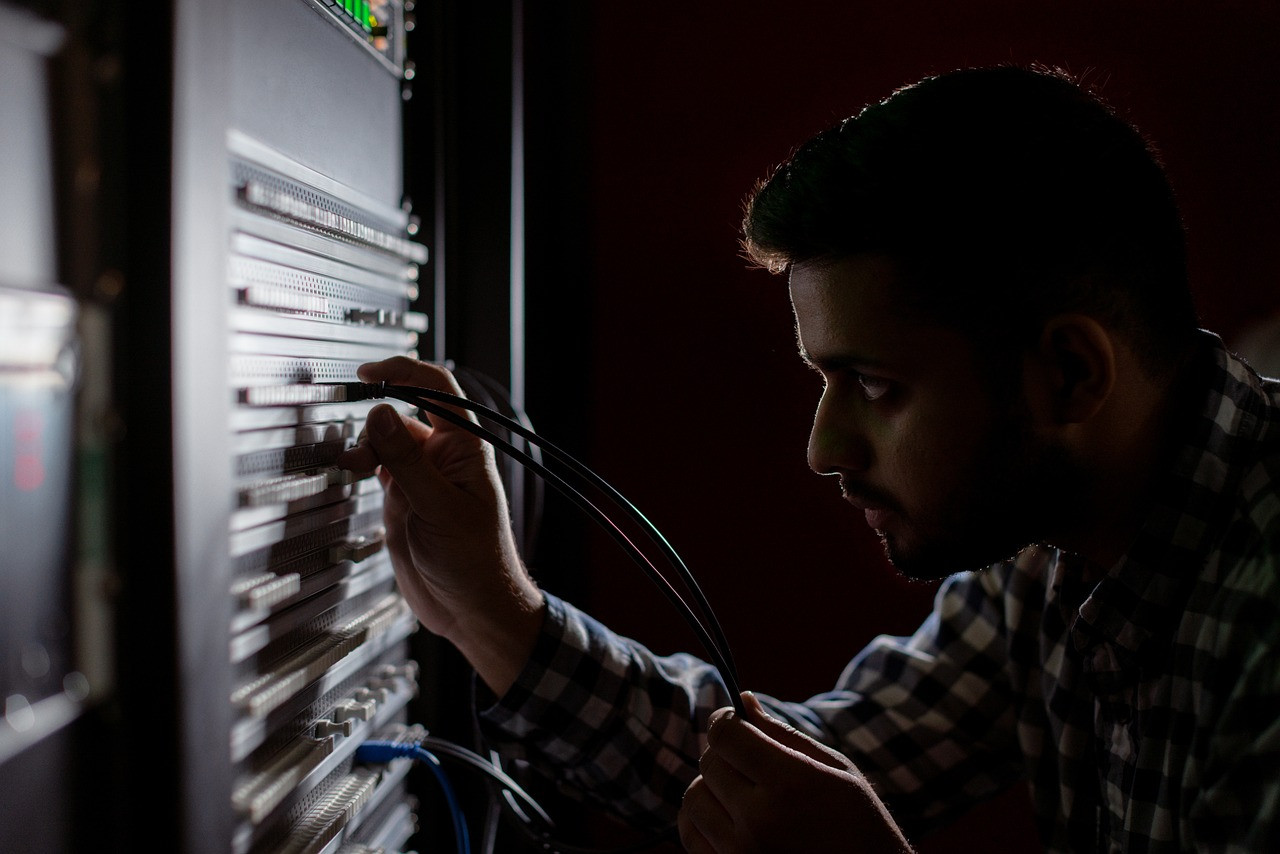
Representative image: This_is_Engineering / Pixabay
Siemens led an investment of at least $100 million in Estonian supercapacitor maker Skeleton Technologies on 14 October 2026, valuing it above $1 billion.
What Happened
Siemens has led a "nine-figure" investment, meaning at least $100 million, in Skeleton Technologies, an Estonian maker of supercapacitors, in a deal announced on Wednesday, 14 October 2026 that values the start-up at more than $1 billion. Neither company disclosed the exact amount; one international business news agency reported it at more than $100 million. Skeleton will use the money mainly to build manufacturing in the United States, including its own cell production, for power systems in AI data centres, and plans to invest more than $200 million in US operations and research in Silicon Valley. As part of the deal, Siemens gets exclusive global rights to sell and scale Skeleton's products in the data-centre market.
Key Facts
- Siemens led an investment of at least $100 million in Skeleton Technologies, announced on 14 October 2026; the exact amount was not disclosed.
- The deal values Skeleton, founded in Estonia, at more than $1 billion.
- Skeleton plans to invest more than $200 million in US manufacturing, including cell production, and research and development in Silicon Valley.
- Siemens will hold exclusive global rights to sell and scale Skeleton's products for data centres.
- Siemens plans to include the supercapacitors in its electrical infrastructure offering for data centres.
- Siemens has worked with Skeleton as a technology partner since 2022 and first invested in 2023.
- The transactions remain subject to customary completion formalities, according to reports.
Why It Matters
AI data centres use enormous amounts of electricity, and their power draw can swing sharply within fractions of a second as thousands of chips start and stop heavy calculations together. Those spikes strain the electrical equipment inside the data centre and the grid that feeds it. Supercapacitors store and release energy much faster than ordinary batteries, so they can smooth out these sudden peaks. Skeleton is betting that this makes its products a natural part of the power systems in new AI facilities.
The deal is also a sign of where European deep-tech start-ups are finding growth. Skeleton is shifting its manufacturing and research focus towards the United States, where most of the biggest AI data-centre projects are being built and where the large cloud companies, known as hyperscalers, are based. For Siemens, exclusive rights to the data-centre market give it a distinctive product to sell alongside its switchgear and power distribution equipment, as AI data-centre construction expands.
Reports also note that the benefits of supercapacitors in data centres still need to be proven through engineering work at each site. That makes the next year of pilot installations important for both companies.
For Indian readers, the story is relevant because India is building its own wave of AI data centres. Technologies that help manage the power demands of AI computing will matter as Indian operators and power companies plan new capacity.
| Item | Detail |
|---|---|
| Lead investor | Siemens |
| Amount | Undisclosed, at least $100 million |
| Valuation | More than $1 billion |
| Planned US investment | More than $200 million |
| Partnership | Siemens gets exclusive global rights for data centres |
Impact
Short-term: Skeleton will begin expanding its US footprint, and Siemens will start offering the supercapacitors as part of its data-centre power portfolio. Cloud companies and data-centre builders may test the technology in pilot projects.
Long-term: If the technology proves itself, supercapacitors could become a standard part of AI data-centre power design, opening a large market for Skeleton and strengthening Siemens' position in data-centre infrastructure. It also adds Skeleton to the small group of European hardware start-ups valued above $1 billion.
Who is affected: Skeleton's investors and staff; Siemens and its competitors in electrical infrastructure; data-centre operators and cloud companies; and electricity grid operators coping with AI-driven demand.
Key Takeaway
Siemens' investment of at least $100 million, announced on 14 October 2026, values Estonia's Skeleton Technologies above $1 billion and bets on supercapacitors to tame the power spikes of AI data centres.
Questions and Answers
How much did Siemens invest in Skeleton Technologies?
The amount was not disclosed. Skeleton described it as a "nine-figure" deal, meaning at least $100 million, and reports put it at more than $100 million. The deal values Skeleton at over $1 billion.
What does Skeleton Technologies make?
Skeleton makes supercapacitors, energy-storage devices that charge and discharge much faster than batteries. It is now targeting power systems for AI data centres.
Why are supercapacitors useful for AI data centres?
AI computing causes sudden, very short spikes in power demand. Supercapacitors can release and absorb energy quickly to smooth out those spikes, though their benefits still need to be validated at each facility.
What does Siemens get from the deal?
Siemens gets exclusive global rights to sell and scale Skeleton's products in the data-centre market and plans to include them in its electrical infrastructure offering.
Disclaimer: Prepared by the Peepals newsroom from publicly available sources with AI assistance. Information is accurate to the best of our knowledge at the time of publication and may change. Images may be representative. Not professional advice. Report an error via our contact page.
Sourced and fact-checked by the Peepals Global Editorial Team
Punam Raut, India's top scorer in the 2017 World Cup final, retires
Fourth Wing cast: Esther McGregor and Emilio Sakraya to lead Prime Video series
Reported, fact-checked and published by the Peepals Global Editorial Team.