

Chemistry AI start-up Albert raises $55 million in TCV-led Series B
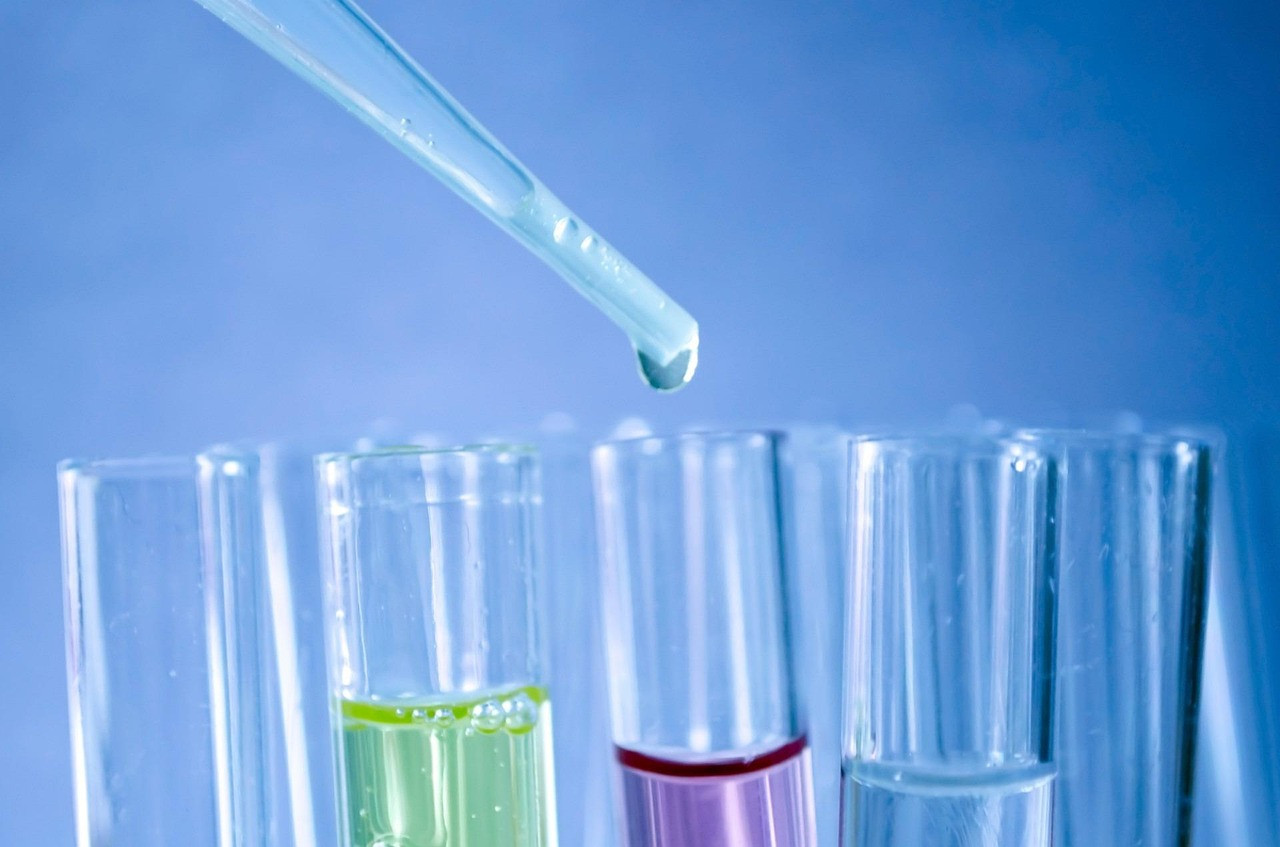
Representative image: PublicDomainPictures / Pixabay
Oakland-based Albert, which builds AI for chemistry R&D, raised a $55 million Series B led by TCV, it announced on October 13, 2026.
What Happened
Albert, an Oakland, California-based company that builds artificial intelligence software for chemistry research, announced on Tuesday, October 13, 2026, that it has raised $55 million in a Series B funding round led by growth investor TCV. New investors Delta-v Capital, Socium Ventures, HighSage Ventures, Coral Capital and Legion VC joined the round, along with existing backers Coatue, J.P. Morgan Growth Equity Partners, Index Ventures and Applied Ventures. The company, also known as Albert Invent, describes its product as a "chemistry-native" AI operating system for research and development, and says the money will expand its tools for manufacturers that formulate paints, adhesives, cleaning products and other materials.
Key Facts
- Amount: $55 million Series B, announced October 13, 2026.
- Lead investor: TCV.
- New investors: Delta-v Capital, Socium Ventures, HighSage Ventures, Coral Capital and Legion VC.
- Existing investors that took part: Coatue, J.P. Morgan Growth Equity Partners, Index Ventures and Applied Ventures.
- Customers named by the company include AkzoNobel, Avient, BASF, Chemours, Clorox, Henkel, Kenvue and Nouryon.
- The company says its model, Valence, was 45 times more accurate than general-purpose AI at answering scientific questions on its own benchmark, FormBench; this has not been independently verified.
- One report put the valuation at about $340 million, but the company has not disclosed it.
Why It Matters
Developing a new paint, glue, detergent or plastic usually takes years of trial and error. Chemists mix ingredients, test them, adjust the recipe and test again, often hundreds of times. Much of the knowledge from past experiments sits in notebooks, spreadsheets and the heads of senior staff. Albert's pitch is that AI trained specifically on chemistry, and on a company's own experimental data, can suggest better starting recipes, predict how a formulation will behave and cut the number of experiments needed.
That is different from general-purpose chatbots, which can answer questions about chemistry but are not built to work with laboratory data or to reason about how ingredients interact. The company's claim that its model is far more accurate than general AI on scientific questions comes from its own benchmark, so outside validation will matter. But the list of customers, which includes some of the world's largest chemical and consumer goods companies, suggests that large manufacturers are willing to pay for AI that speeds up their research.
The round reflects a wider shift in AI investment. After a wave of money into general AI models, investors are increasingly backing "vertical" AI companies that apply the technology to one industry with deep domain knowledge. Chemistry and materials are attractive because faster research can translate directly into new products, lower costs and compliance with tightening environmental rules on chemicals.
For founders, including in India, which has a large specialty chemicals industry, the deal shows that AI built for a specific scientific field, with real industrial customers, can attract top-tier venture investors.
| Detail | Information |
|---|---|
| Round | Series B, $55 million |
| Lead | TCV |
| Headquarters | Oakland, California |
| Product | AI platform for chemistry and materials R&D |
Impact
Short-term: Albert plans to use the money to expand its platform's capabilities and reach more manufacturers and research organisations. Expect more hiring and product launches aimed at formulation work.
Long-term: If AI tools like Albert's prove they can shorten research cycles, chemical and consumer goods companies may change how they run their labs, with fewer manual experiments and more data-driven design. Competition among AI-for-science start-ups is likely to grow.
Who is affected: Chemical, coatings and consumer goods manufacturers, their research scientists, AI-for-science start-ups competing in the space, and investors looking for industry-specific AI companies.
Key Takeaway
Albert has raised a $55 million Series B led by TCV to scale AI built specifically for chemistry research, with major chemical makers among its customers.
Questions and Answers
How much did Albert raise and who led the round?
Albert raised $55 million in a Series B round announced on October 13, 2026, led by TCV, with participation from new and existing investors including Coatue and Index Ventures.
What does Albert's AI do?
Albert offers an AI platform built for chemistry and materials research. It helps companies that formulate products such as paints, adhesives and cleaning products use their lab data to design and test recipes faster.
Which companies use Albert?
The company names AkzoNobel, Avient, BASF, Chemours, Clorox, Henkel, Kenvue and Nouryon among its customers.
Is Albert's AI more accurate than ChatGPT-style models?
Albert says its Valence model was 45 times more accurate than general-purpose AI at retrieving correct answers to scientific questions on its own FormBench benchmark. That result has not been independently verified.
Disclaimer: Prepared by the Peepals newsroom from publicly available sources with AI assistance. Information is accurate to the best of our knowledge at the time of publication and may change. Images may be representative. Not professional advice. Report an error via our contact page.
Sourced and fact-checked by the Peepals Global Editorial Team
Evos raises $9 million to build AI 'operators' for freight and factory businesses
Jack Bostock hat-trick on debut sinks Kiwis 24-22 in Rugby League World Cup opener
Reported, fact-checked and published by the Peepals Global Editorial Team.