
China's Astribot raises 1 billion yuan at $2.2 billion value, fourth round in six months
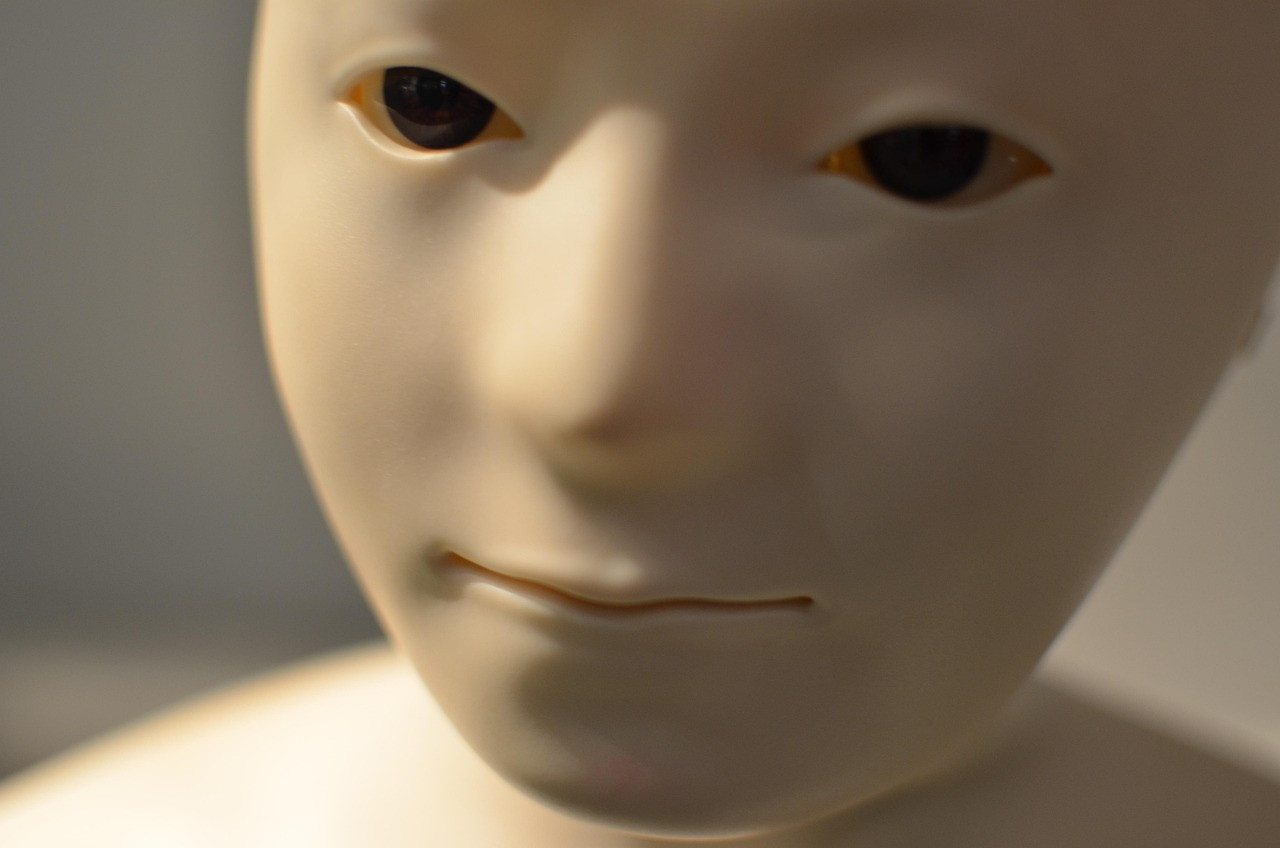
Representative image: kuloser / Pixabay
Shenzhen robot maker Astribot raised about 1 billion yuan on Oct 13, 2026, at a 15 billion yuan (about $2.2 billion) valuation, led by a Shenzhen state investor.
What Happened
Astribot, a Shenzhen-based maker of AI-driven robots known in China as Stardust Intelligence, announced on Monday, October 13, 2026, that it has raised a new round of about 1 billion yuan (roughly $149 million). The round values the company at 15 billion yuan, about $2.2 billion. It was led by Toukong Donghai, an arm of the state-owned Shenzhen Investment Holdings, with Hongtai Fund, the Ninghai Xingtaihe Fund managed by Guanghua Sunshine, and Shanheng Capital joining. Existing shareholder Xianmu also put in more money. It is the company's fourth funding round in about six months.
Key Facts
- Round size: about 1 billion yuan (around $149 million), announced October 13, 2026.
- Valuation: 15 billion yuan (about $2.2 billion), up from just over 10 billion yuan after its Series B in June 2026.
- Lead investor: Toukong Donghai, part of Shenzhen Investment Holdings.
- Other investors: Hongtai Fund, Ninghai Xingtaihe Fund (Guanghua Sunshine), Shanheng Capital and existing backer Xianmu.
- Use of money: model upgrades, hiring, commercial roll-out and more production capacity, according to the company.
- Earlier reporting tied the company to a thousand-unit order from software firm ThunderSoft and a T1 robot priced from 89,900 yuan.
Why It Matters
Astribot works in what China calls "embodied AI": robots whose software lets them see, plan and act in the physical world rather than only on a screen. The company has drawn attention for a control design it calls DuoCore, which splits the robot's "thinking" into a fast track for quick reactions and a slower track for planning. Observers have noted that the design closely resembles one announced earlier by US robot maker Figure, which puts Astribot in a direct race with better-known Western names.
The speed of the money is the bigger story. A company that crossed the billion-dollar mark only in June has now raised again, at a valuation roughly half as high again, within about three months. That pace reflects how much capital is flowing into Chinese robotics in 2026, from both private funds and local government investment arms. Shenzhen's state investor leading the round shows that city governments see humanoid and service robots as a strategic industry, much as they once backed electric vehicles and batteries.
There is a caution, too. Analysts covering the sector point out that large orders and launch prices still have to turn into steady deliveries and profits. Many Chinese robot start-ups now carry high valuations based on demonstrations and pilot deals. The next year will show which of them can actually ship machines in volume to factories, shops and service businesses.
For Indian founders and investors, the deal is a signal of where global robotics money is going. India has a growing base of robotics and automation start-ups, but rounds of this size are still rare at home. The gap in capital, and in state-backed demand, is something Indian hardware founders will have to plan around if they want to compete in the same markets.
| Astribot round | Detail |
|---|---|
| Amount | About 1 billion yuan (around $149 million) |
| Valuation | 15 billion yuan (about $2.2 billion) |
| Lead investor | Toukong Donghai (Shenzhen Investment Holdings) |
| Previous milestone | Valuation above 10 billion yuan after June 2026 Series B |
| Rounds in about six months | Four |
Impact
Short-term: Astribot gains cash to upgrade its AI models, hire engineers and expand production, and its new valuation sets a fresh benchmark for other Chinese robotics firms raising money this year.
Long-term: If the company can turn orders into regular deliveries, it could become one of the main suppliers of general-purpose service robots, adding pressure on US and European rivals and on robot makers in other Asian markets, including India.
Who is affected: Chinese and global robotics start-ups competing for capital and customers, factories and service businesses looking at robot automation, venture and state-linked investors, and Indian hardware founders benchmarking their own fundraising.
Key Takeaway
Shenzhen-based Astribot raised about 1 billion yuan on October 13, 2026, at a 15 billion yuan valuation, its fourth round in six months, showing how fast state and private money is chasing China's robot makers.
Questions and Answers
How much did Astribot raise and at what valuation?
Astribot announced on October 13, 2026, a new round of about 1 billion yuan, roughly $149 million, that values the company at 15 billion yuan, or about $2.2 billion.
Who led the funding round?
The round was led by Toukong Donghai, part of the state-owned Shenzhen Investment Holdings, with Hongtai Fund, a fund managed by Guanghua Sunshine, Shanheng Capital and existing investor Xianmu also taking part.
What does Astribot make?
It builds AI-powered robots designed to work in the physical world, a field known as embodied AI. Its system splits robot control into a fast reactive track and a slower planning track.
Why does this matter outside China?
The round shows how quickly capital is flowing into Chinese robotics, often with local government backing. That raises the bar for robot makers elsewhere, including Indian start-ups, which usually raise far smaller sums.
Disclaimer: Prepared by the Peepals newsroom from publicly available sources with AI assistance. Information is accurate to the best of our knowledge at the time of publication and may change. Images may be representative. Not professional advice. Report an error via our contact page.
Sourced and fact-checked by the Peepals Global Editorial Team
Reported, fact-checked and published by the Peepals Global Editorial Team.