
Strait of Hormuz: Iran says 7-day reopening offer stands if US lifts blockade
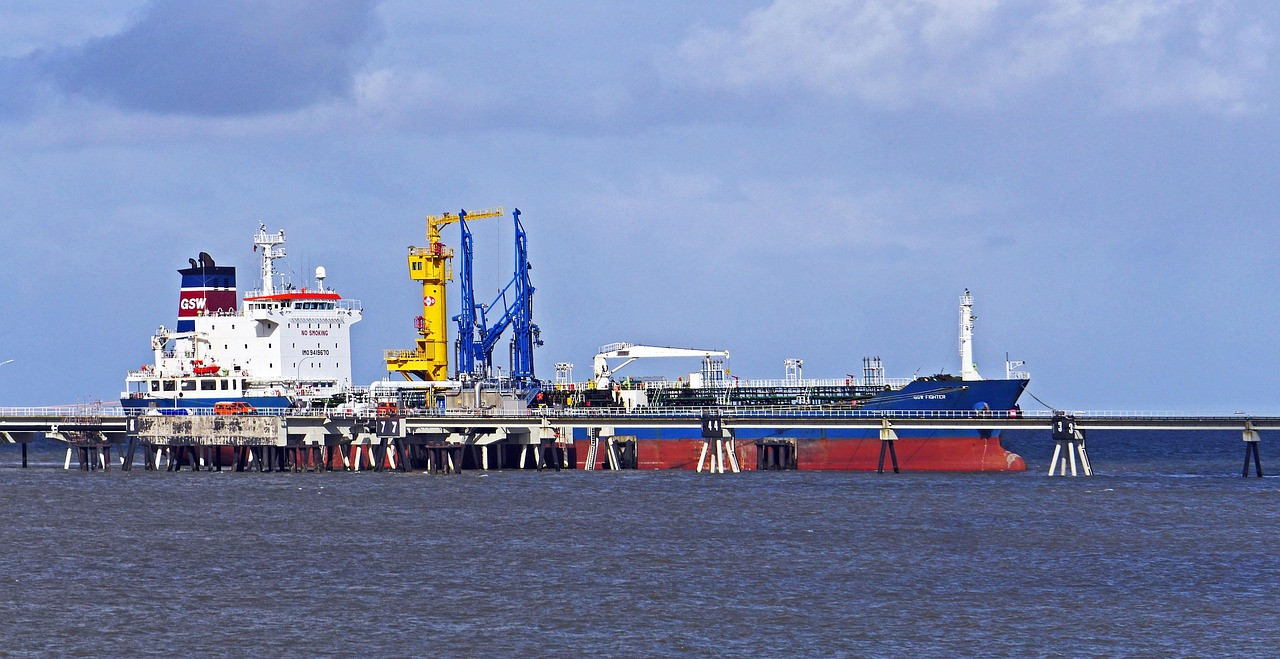
Representative image: hpgruesen / Pixabay
Iran's Abbas Araghchi said on October 18, 2026, that Tehran will reopen the Strait of Hormuz within seven days if the US lifts its blockade and oil sanctions.
What Happened
Iran has told the United States that its offer to reopen the Strait of Hormuz within seven days is still on the table, but only if Washington meets its conditions. Iranian Foreign Minister Abbas Araghchi made the remarks on Sunday, October 18, 2026, in Baghdad, where he was attending a meeting of foreign ministers of the Organisation of Islamic Cooperation. He said Iran had passed a concrete plan to Washington through Qatar. Under it, the strait would reopen on the sixth day after the US accepts Tehran's terms, and talks would resume on the seventh. The terms include lifting the US naval blockade of Iranian ports, removing sanctions on Iranian oil exports and ending hostilities on all regional fronts, including Lebanon.
Key Facts
- Who: Iranian Foreign Minister Abbas Araghchi, speaking in Baghdad on October 18, 2026.
- What: Iran's offer to reopen the Strait of Hormuz within seven days remains open, he said.
- How: the plan was conveyed to the US through Qatar; the strait would reopen on day six and negotiations would resume on day seven.
- Iran's conditions: an end to the US naval blockade of Iranian ports, the lifting of sanctions on Iran's oil exports, and an end to hostilities on all regional fronts, including Lebanon.
- US position: no public acceptance; Washington has insisted that Iran's nuclear programme be addressed first, and President Donald Trump rejected an earlier version of the deal in September.
- Araghchi called the US position dishonest and said Tehran was still reviewing Washington's comments on the plan.
Why It Matters
The Strait of Hormuz, the narrow waterway between Iran and Oman, is one of the most important shipping lanes in the world for oil and gas. Fighting between the United States and Iran this year, and the US blockade of Iranian ports, have choked traffic through it. Reports say exports through the strait remain well below pre-war levels, and oil prices have stayed high, with Brent crude hovering near $110 a barrel in recent days.
Iran's message is aimed at shifting the pressure onto Washington. By saying the offer still stands, Tehran presents itself as ready to reopen the waterway quickly if the US moves first. But the conditions go to the heart of the conflict. The US wants Iran's nuclear programme dealt with from the start of any talks; Iran wants the blockade and oil sanctions lifted before it opens the strait. Neither side has shown it will move first.
The rhetoric on both sides remains sharp. On the same day, President Trump warned on social media that Washington could "soon finish the job" against Iran unless it changes course. Iran first presented a version of its Hormuz proposal in mid-September, which the US acknowledged at the time.
| Issue | Iran's position | US position |
|---|---|---|
| Strait of Hormuz | Reopen within seven days of a deal | Says the strait should be open |
| Blockade and oil sanctions | Must be lifted | Kept in place for now |
| Nuclear programme | Not a precondition in the plan | Must be addressed from the outset |
For India, the stakes are direct. India buys most of its crude oil abroad, and high prices raise its import bill, feed inflation and weigh on the rupee. In March, the Petroleum Ministry said about 70% of India's crude imports were already coming from outside the Strait of Hormuz, which reduced the direct supply risk, but India still pays world prices. US Secretary of State Marco Rubio is in the region on an October 17-22 trip that brings him to Mumbai on Tuesday, October 20, to meet External Affairs Minister S. Jaishankar, and later to Jamnagar, where he is due to visit the Reliance refinery. Energy cooperation is the main item on the agenda.
Impact
Short-term: Oil markets will react to any sign of a US reply. A deal to reopen the strait would likely push prices down sharply; a breakdown or new strikes would push them up. Shipping and insurance costs for Gulf routes stay high in the meantime.
Long-term: A reopened strait and resumed talks could ease the energy shock felt across Asia and Europe this year. Without a deal, countries that depend on Gulf energy, including India, will keep paying more and looking for other suppliers.
Who is affected: Oil-importing countries such as India, China, Japan and South Korea; shipping companies and crews in the Gulf; Gulf states whose exports pass through Hormuz; and consumers worldwide facing higher fuel prices.
Key Takeaway
Iran says it will reopen the Strait of Hormuz within seven days if the US lifts its blockade and oil sanctions and ends hostilities, but Washington wants Iran's nuclear programme addressed first, so the waterway stays choked for now.
Questions and Answers
What is Iran's seven-day Strait of Hormuz proposal?
Iran says it will reopen the Strait of Hormuz on the sixth day after the US accepts its conditions, with negotiations resuming on the seventh day. Foreign Minister Abbas Araghchi said on October 18, 2026, that the offer, conveyed through Qatar, is still on the table.
What does Iran want from the US in return?
Iran wants the US to lift its naval blockade of Iranian ports, remove sanctions on Iranian oil exports and end hostilities on all regional fronts, including Lebanon.
Has the US accepted the Hormuz offer?
No. Washington has not publicly accepted it and wants Iran's nuclear programme addressed from the outset. President Trump rejected an earlier version in September.
Why does the Strait of Hormuz matter to India?
India buys most of its crude oil abroad. Even though about 70% of its crude imports now come from outside Hormuz, according to the Petroleum Ministry in March, disruption in the strait keeps world oil prices high, which raises India's import bill and fuel costs.
Disclaimer: Prepared by the Peepals newsroom from publicly available sources with AI assistance. Information is accurate to the best of our knowledge at the time of publication and may change. Images may be representative. Not professional advice. Report an error via our contact page.
Sourced and fact-checked by the Peepals Global Editorial Team
Apu speaks again on The Simpsons after 9 years, voiced by Sunil Malhotra not Hank Azaria
Real Madrid beat Sevilla 4-1 as Mbappé scores twice; Güler elbow row before Clásico
Reported, fact-checked and published by the Peepals Global Editorial Team.