
Gulf states condemn Houthi attacks on Saudi Arabia, blame Iran; UAE, Saudi leaders meet
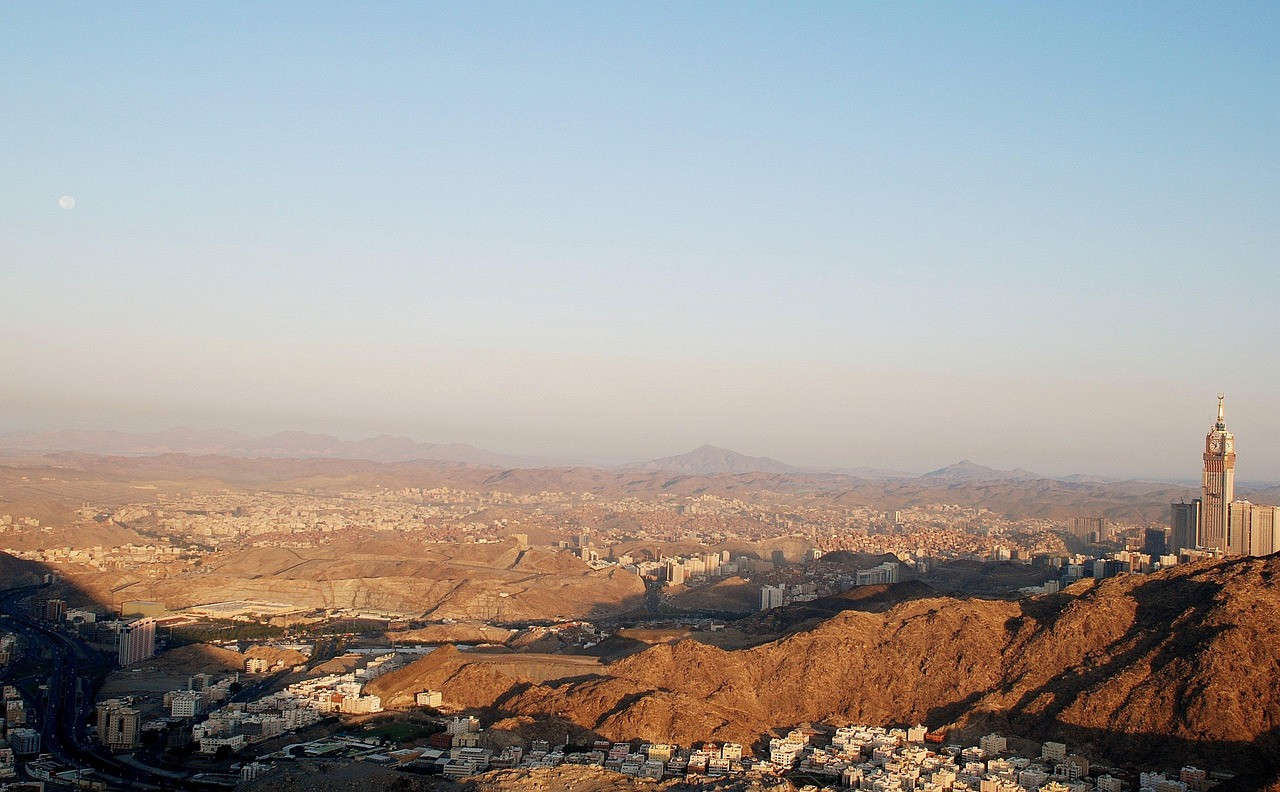
Representative image: GLady / Pixabay
The GCC condemned Houthi attacks on Saudi Arabia and blamed Iran on October 18, 2026, as UAE and Saudi leaders met amid reports the UAE will rejoin the Yemen war.
What Happened
Gulf Arab states closed ranks behind Saudi Arabia on Sunday, October 18, 2026, as the six-member Gulf Cooperation Council (GCC) strongly condemned Houthi missile and drone attacks on the kingdom and held Iran fully responsible for them. Meeting in Manama, Bahrain, for the 168th session of its Ministerial Council, the GCC condemned attacks on civilian airports and vital facilities and said strikes had targeted the area of the Two Holy Mosques. The same day, United Arab Emirates Vice President Sheikh Mansour bin Zayed Al Nahyan met Saudi Defence Minister Prince Khalid bin Salman in Abu Dhabi to discuss regional security, amid reports that the UAE has agreed to return to the war in Yemen.
Key Facts
- Event: GCC Ministerial Council, 168th session, Manama, Bahrain, October 18, 2026.
- Condemnation: the council condemned Houthi attacks on Saudi Arabia, including on civilian airports and vital facilities, and said attacks had targeted the Two Holy Mosques and surrounding areas.
- Iran: the council said it holds Iran fully responsible for the attacks and their consequences and rejected Iran's justifications.
- United Nations: the GCC welcomed a UN Security Council presidential statement of October 15 condemning escalating Houthi attacks on Saudi Arabia, including on Aramco facilities.
- UAE-Saudi talks: Sheikh Mansour bin Zayed met Prince Khalid bin Salman in Abu Dhabi on October 18, the UAE news agency WAM said.
- Reported UAE return: according to reports, the UAE has agreed to resume payments to some Yemeni government forces fighting the Houthis, with Saudi Arabia providing air cover; neither government has publicly confirmed this.
- Earlier this month, Houthi missile and drone attacks between October 6 and 12 hit three Saudi airports.
Why It Matters
Yemen's war has flared again. Saudi-backed government forces launched an offensive on October 5, and the Houthis, who control much of northern Yemen and are aligned with Iran, have hit back with strikes deep into Saudi territory, including on airports and oil facilities. Fighting has displaced more than 233,000 people across Yemen, according to reports.
The GCC statement matters for two reasons. First, by naming Iran as fully responsible, the Gulf states are linking the Yemen fighting to the wider confrontation with Tehran, at a time when the United States and Iran are already locked in a dispute over the Strait of Hormuz. Second, the meeting in Abu Dhabi points to a possible healing of a rift between Saudi Arabia and the UAE. The two were partners in the Saudi-led military coalition in Yemen, but the UAE withdrew most of its forces in 2020 and the rest in January 2026, after its allies in southern Yemen failed in an attempt to take control of the south. A renewed UAE role would strengthen the forces fighting the Houthis.
| Issue | GCC position (October 18) |
|---|---|
| Houthi attacks on Saudi Arabia | Strongly condemned |
| Responsibility | Iran held fully responsible |
| UN Security Council statement of Oct 15 | Welcomed |
| Support for Saudi Arabia | Pledged |
For India, the escalation has practical costs. Saudi Arabia and the UAE are home to millions of Indian workers, attacks on airports have disrupted flights across the region, and India buys much of its oil and gas from the Gulf. Any widening of the conflict could affect jobs, remittances, travel and fuel prices.
Impact
Short-term: Expect continued fighting in Yemen and more cross-border attacks, with Gulf states coordinating their response. Flights to and within Saudi Arabia may stay disrupted while airports are targets.
Long-term: If the UAE does return to the war alongside Saudi Arabia, the balance of power in Yemen could shift, but a wider war also risks drawing Iran and its allies deeper into the conflict and delaying any peace process.
Who is affected: Civilians in Yemen, where fighting has displaced hundreds of thousands; residents and travellers in Saudi Arabia; Gulf governments; migrant workers from India and other countries; and global energy markets.
Key Takeaway
On October 18, 2026, the GCC condemned Houthi attacks on Saudi Arabia and blamed Iran, while UAE and Saudi leaders met in Abu Dhabi amid reports that the UAE is returning to the Yemen war.
Questions and Answers
What did the GCC say about the Houthi attacks?
At its 168th Ministerial Council session in Manama on October 18, 2026, the GCC strongly condemned Houthi attacks on Saudi Arabia, including on civilian airports and vital facilities, and pledged support for the kingdom.
Whom does the GCC blame for the attacks?
The GCC said it holds Iran fully responsible for the attacks and their consequences and rejected Iran's justifications for them.
Is the UAE returning to the Yemen war?
Reports say the UAE has agreed to resume payments to some Yemeni government forces fighting the Houthis, with Saudi air cover, but neither government has publicly confirmed it. UAE and Saudi leaders met in Abu Dhabi on October 18.
Why does this matter for India?
Millions of Indians live and work in Saudi Arabia and the UAE, and India relies on Gulf oil and gas. A wider conflict could disrupt flights, jobs, remittances and fuel prices.
Disclaimer: Prepared by the Peepals newsroom from publicly available sources with AI assistance. Information is accurate to the best of our knowledge at the time of publication and may change. Images may be representative. Not professional advice. Report an error via our contact page.
Sourced and fact-checked by the Peepals Global Editorial Team
Reported, fact-checked and published by the Peepals Global Editorial Team.