
Lindsey Graham Act: Trump waives Russia oil tariffs, sparing India for now
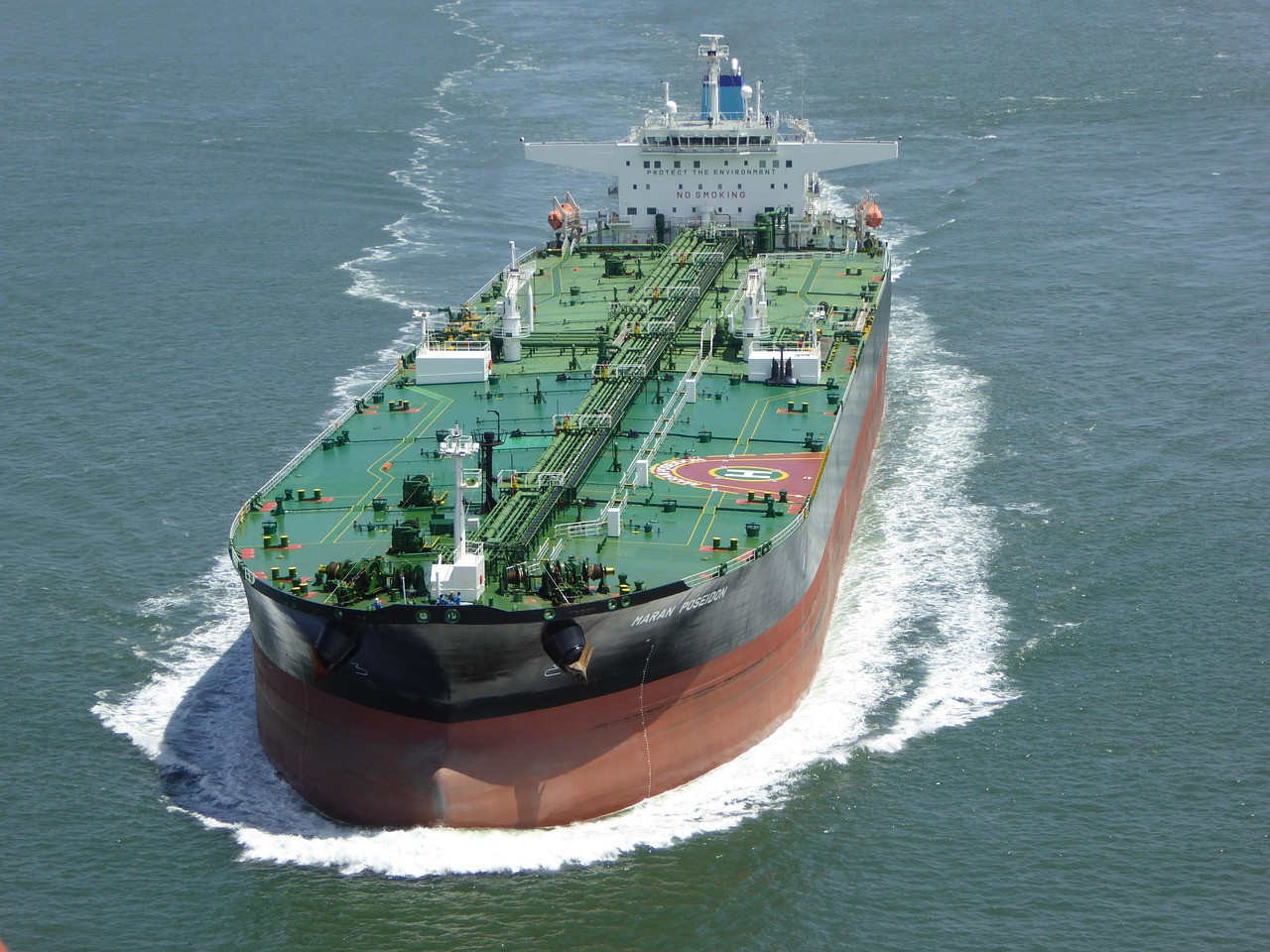
Representative image: GTraschuetz / Pixabay
Trump on October 16, 2026, suspended Graham Act tariffs of up to 100% on top buyers of Russian oil before the October 18 deadline, easing pressure on India.
What Happened
US President Donald Trump on Friday, October 16, 2026, signed an executive order that waives Russia-related sanctions and tariffs required by the Lindsey O. Graham Sanctioning Russia and Iran Act, a day or two before they were due to take effect. The law, known as the Graham Act and signed on September 18, says the president shall raise duties of up to 100 per cent on all goods from countries covered by it within 30 days, a deadline that falls on Saturday, October 18. Trump's order sets out tariffs on the five largest importers of Russian crude oil and natural gas if they make new purchases on or after October 18, and then, in the same document, suspends those measures. The order names no country. Trump said he had submitted to Congress a certification that the waiver "at this time is in the national interests of the United States". For India, a major buyer of Russian oil, the decision removes the immediate threat of tariffs of up to 100 per cent on its exports to the United States.
Key Facts
- Trump signed the waiver order on October 16, 2026, ahead of the Graham Act's October 18 deadline.
- The Graham Act, signed on September 18, 2026, calls for duties of up to 100 per cent on goods from covered countries within 30 days.
- The order targets the five largest importers of Russian crude oil and natural gas buying on or after October 18, then immediately suspends the measures.
- The suspension stays until the president or the secretary of state decides further action is needed; the tariffs can be revived later.
- The order does not lift sanctions already in force against Russia, but gives the administration more freedom to choose which to keep.
- Several Republican senators, including Mitch McConnell and Thom Tillis, had urged Trump to apply the sanctions the law authorises.
- The move comes as Secretary of State Marco Rubio is due to visit India from October 17 to 22.
Why It Matters
For India, this is the most direct consequence of the order. The Graham Act was designed to punish countries that keep buying Russian energy, and India's purchases of Russian crude put it in the line of fire. A duty of up to 100 per cent on Indian goods entering the United States would have hit exporters across sectors. By suspending the measures, Trump has spared India, and China, from an immediate trade shock. Earlier this year, in February, Washington had already removed an additional 25 per cent duty on Indian goods that was linked to New Delhi's purchases of Russian oil.
But the relief is conditional. The order does not cancel the tariffs; it suspends them, and they can be switched back on by the president or the secretary of state. That leaves a lever in Washington's hands just as Rubio arrives for talks in Mumbai and Jamnagar. Indian officials and companies will be watching closely for any signals on energy purchases during the visit.
The waiver also shows the tension in Washington over Russia policy. Some of Trump's own party wanted the law enforced, especially after the administration temporarily lifted sanctions on Russian fuel on October 9 to allow diesel exports to world markets. Trump has kept sanctions already in place, but the waiver gives him room to decide case by case instead of following the law's automatic triggers.
| Item | Detail |
|---|---|
| Law | Lindsey O. Graham Sanctioning Russia and Iran Act, signed September 18, 2026 |
| Deadline | October 18, 2026 |
| Threatened duty | Up to 100 per cent on goods from covered countries |
| Waiver signed | October 16, 2026 |
| Status | Suspended until further action is decided |
Impact
Short-term: Indian exporters avoid a sudden tariff shock this weekend. Oil importers can plan cargoes without an immediate US penalty, though uncertainty remains.
Long-term: Because the tariffs can be revived, India's purchases of Russian energy will remain a point of pressure in its relations with Washington, and could figure in trade negotiations.
Who is affected: Indian exporters to the US, Indian refiners buying Russian crude, the Indian government in its talks with Rubio, China and other large buyers of Russian energy, and Russia, whose energy revenues depend on these buyers.
Key Takeaway
Trump's October 16, 2026, waiver of the Graham Act tariffs spares India from duties of up to 100 per cent for now, but keeps the threat alive as a bargaining lever.
Questions and Answers
What did Trump waive under the Graham Act?
On October 16, 2026, Trump signed an order that set out tariffs on the five largest importers of Russian oil and gas buying on or after October 18 and then immediately suspended them, along with other Russia-related measures required by the law.
Will India face 100 per cent tariffs for buying Russian oil?
Not for now. The waiver suspends the tariffs, which could have reached 100 per cent, but the president or secretary of state can revive them later.
Why is Lindsey Graham in the news?
The Russia sanctions law that Trump waived on October 16, 2026, is named after him: the Lindsey O. Graham Sanctioning Russia and Iran Act, signed on September 18, 2026. It calls for duties of up to 100 per cent on goods from countries that buy Russian energy.
Does the waiver lift existing sanctions on Russia?
No. According to reports of the order, sanctions already imposed on Russia stay in place, but the administration gains more freedom over which new measures to apply.
Disclaimer: Prepared by the Peepals newsroom from publicly available sources with AI assistance. Information is accurate to the best of our knowledge at the time of publication and may change. Images may be representative. Not professional advice. Report an error via our contact page.
Sourced and fact-checked by the Peepals Global Editorial Team
Tom Cruise's Digger drops 60% in week two, heads for a $245 million loss
2028 Olympics BMX qualifier in Riyadh cancelled as attacks upend Saudi sport calendar
Reported, fact-checked and published by the Peepals Global Editorial Team.