
Albania protests: students march on Tirana for 4th day as Rama refuses to resign
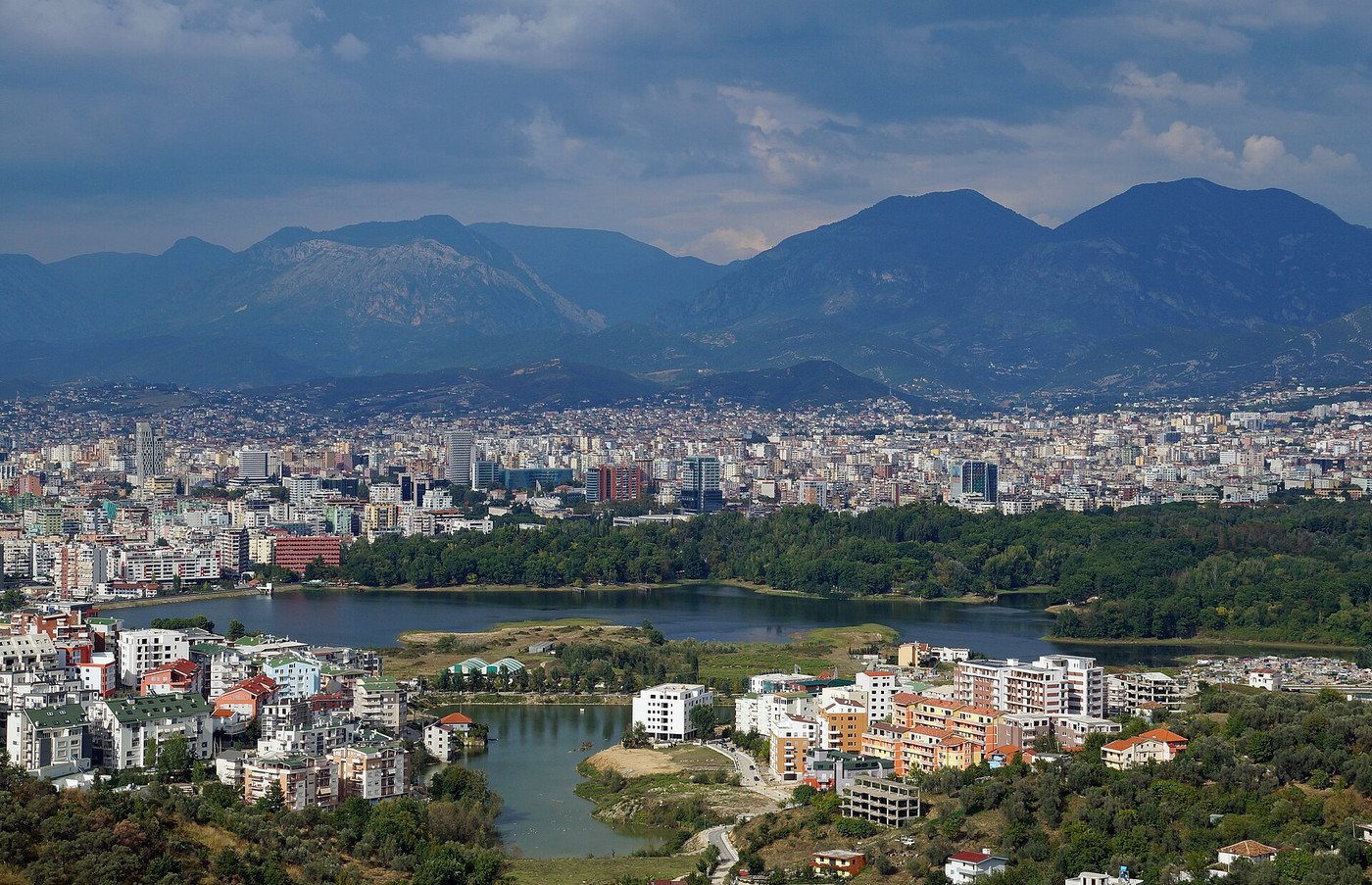
File photo: Albinfo (CC BY-SA 3.0), via Wikimedia Commons
Thousands of students marched in Tirana on October 16, 2026, the fourth day of violent anti-government protests in Albania; PM Edi Rama refused to quit and blamed 'foreign hands'.
What Happened
Thousands of young people marched through Albania's capital, Tirana, on Friday, October 16, 2026, on the fourth day of an increasingly violent student-led campaign demanding that Prime Minister Edi Rama resign, according to Reuters. Protesters broke windows and traffic lights, a day after demonstrations turned into a riot in which a bank was raided and protesters clashed with police. Unrest has spread to other cities, including Elbasan, Shkodra and Korca, local media reported. Rama has rejected calls to step down, said he is ready to discuss the rising cost of education, and has blamed "foreign hands" for the violence.
Key Facts
- October 16, 2026 marked the fourth day of the student-led protests in Tirana, according to Reuters.
- On Thursday, October 15, protests turned into a riot; police said 160 people were detained over alleged violence that evening.
- On Wednesday, October 14, hospitals in Tirana treated 89 people, including 61 police officers, according to police.
- Protests have spread to Elbasan, Shkodra and Korca, where demonstrators broke windows and set bins on fire, local media said.
- Students cite university conditions, the cost of studying and living costs, along with accusations of corruption.
- The wider movement, known as the Flamingo protests, began on May 31 over a luxury tourism project in a protected area at Zvernec, a project reports link to Jared Kushner.
- Rama has refused to resign and has blamed "foreign hands" for the unrest.
Why It Matters
Rama won a fourth term last year on a promise to take Albania into the European Union. A wave of violent street protests led by young people is a serious test for that project. How the authorities police the unrest, and whether they answer students' demands, is likely to be watched by European governments weighing Albania's bid.
The protests also show how local anger can merge with wider grievances. The movement started months ago over a tourism project in a protected coastal area, but this week's escalation was driven by students angry about the cost and quality of higher education. When economic pressure on young people combines with claims of corruption and a sense of being ignored, demonstrations can quickly become harder to contain. Students say months of mostly peaceful protest were ignored by the government.
Rama's response mixes firmness with a small opening. He says attacks on institutions and public property have nothing to do with students' legitimate demands, and he has offered to discuss education costs. But blaming foreign interference without naming who is behind it may harden positions. Police have also faced criticism: four officers and a local public-order chief were suspended after a video showed a 19-year-old with a broken leg being roughly carried by police.
| Date (2026) | Development |
|---|---|
| May 31 | Flamingo protests begin over the Zvernec tourism project |
| October 13 | Students clash with police outside the Education Ministry |
| October 14 | 89 people treated in hospital, including 61 police officers |
| October 15 | Riot in Tirana; 160 detained, police say |
| October 16 | Thousands march on fourth day; unrest in other cities |
Impact
Short-term: More protests are likely over the weekend, with the risk of further clashes and arrests. Talks on education costs could open if both sides step back from violence.
Long-term: Prolonged unrest could slow Albania's EU accession process and damage its image as a tourism and investment destination. It may also push the government to address university funding and living costs for young people.
Who is affected: Albanian students and young workers, residents and businesses in Tirana and other affected cities, police officers, the Rama government, and the EU, which is weighing Albania's membership bid.
Key Takeaway
Albania's student-led protests have turned violent and spread beyond Tirana, putting Prime Minister Edi Rama under the heaviest street pressure of his fourth term as the country seeks EU membership.
Questions and Answers
Why are there protests in Albania?
Students are protesting over university conditions, the cost of studying and living costs, and accuse officials of corruption. The wider movement began on May 31 against a luxury tourism project in a protected area at Zvernec.
How violent have the Albania protests been?
Police said 160 people were detained after rioting on October 15, and that 89 people, including 61 police officers, were treated in hospital on October 14. Protesters have broken windows, raided a bank and set bins on fire.
Has Edi Rama resigned?
No. Prime Minister Edi Rama has rejected calls to resign, said he is ready to discuss education costs, and has blamed "foreign hands" for the violence.
What does this mean for Albania's EU bid?
Rama won a fourth term last year promising to take Albania into the EU. How the government handles the protests and the policing of them is likely to be watched by EU members.
Disclaimer: Prepared by the Peepals newsroom from publicly available sources with AI assistance. Information is accurate to the best of our knowledge at the time of publication and may change. Images may be representative. Not professional advice. Report an error via our contact page.
Sourced and fact-checked by the Peepals Global Editorial Team
Reported, fact-checked and published by the Peepals Global Editorial Team.