
France protests: 550,000 march as student movement goes national; Limoges town hall burns
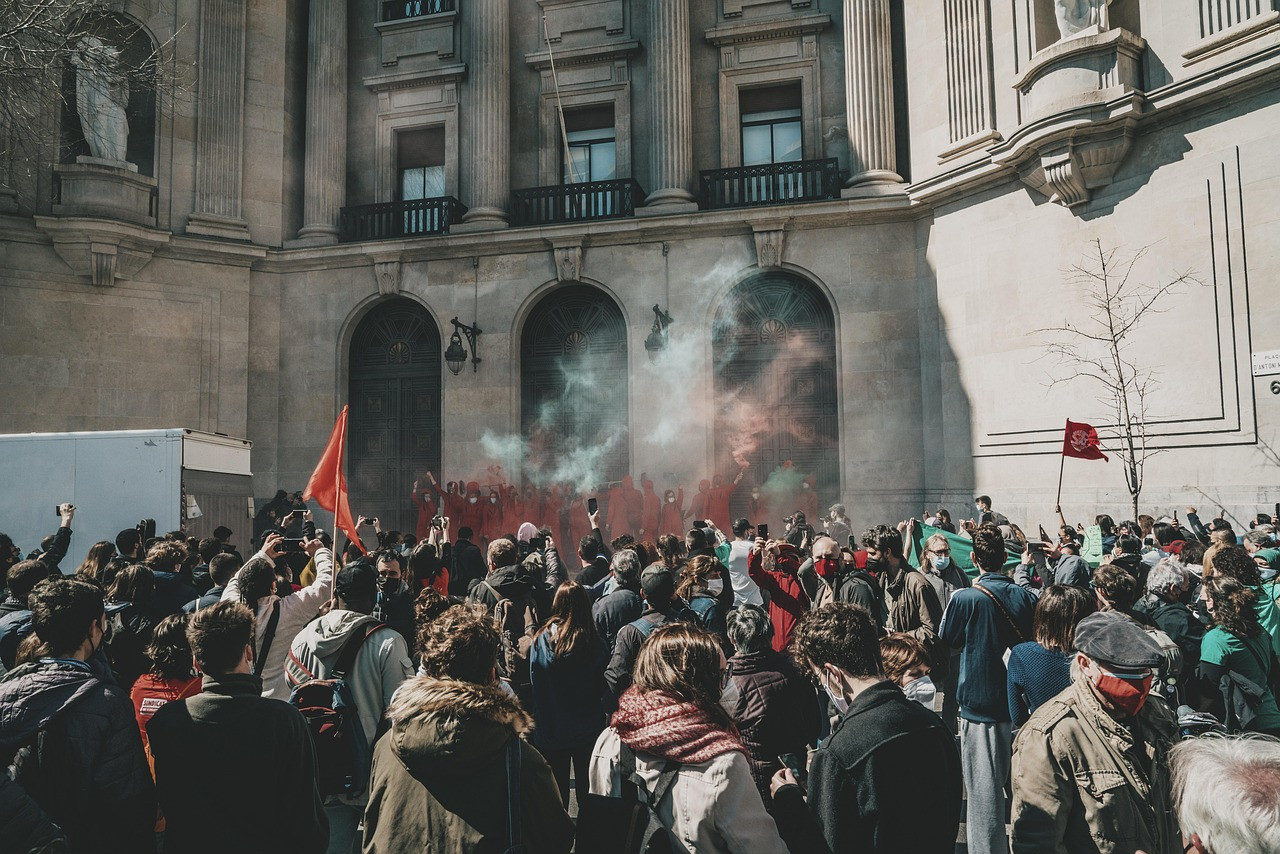
Representative image: Antonio_Cansino / Pixabay
About 550,000 people joined student-led protests across France on 17 October 2026, the interior minister said; nearly 400 were arrested and Limoges town hall was set alight.
What Happened
Around 550,000 people marched in towns and cities across France on Saturday, 17 October 2026, as a protest movement started by students grew into a national show of anger over public services and the cost of living, according to Interior Minister Laurent Nunez. Organisers, led by the CGT union, claimed 800,000. Most marches were peaceful, but there were clashes with police, looting and arson. In the central city of Limoges, masked protesters set fire to the historic town hall; the local prefect said the roof had collapsed onto the floors below except in the west wing, and the building was described as largely lost. Nunez said nearly 400 people were arrested during the day and that more arrests would follow. President Emmanuel Macron condemned the "sowers of chaos" and said those who attacked prefectures, businesses and town halls would be prosecuted.
Key Facts
- Turnout: about 550,000 according to the interior minister; organisers claimed 800,000.
- Arrests: nearly 400 nationwide on Saturday, the interior ministry said, up from earlier counts of 166 and then 272 during the day.
- Limoges: witnesses said masked protesters torched a police car outside the town hall before breaking in and setting the building alight.
- The protests began with students demanding education reforms and widened to include anger over failing public services, rising prices and poor prospects.
- The CGT union called for higher wages and pensions, lower prices and protection of public services; the yellow vest movement also mobilised.
- After a 15-year-old protester lost a hand, Nunez suspended the use of one type of police stun grenade; reports differ on whether that suspension still stands, and an investigation has been opened.
- Nunez blamed the vandalism on what he called the clear instigation of the hard left.
Why It Matters
France has a long history of street protest, but this movement is unusual in where it started. It began in schools and universities, with students demanding changes to education, and has now drawn in unions, the yellow vest movement, and people angry about prices and the state of public services. When a youth protest is joined by labour unions and a cost-of-living movement at the same time, governments face pressure from several directions at once.
The violence will shape how the story unfolds. The burning of Limoges town hall, a symbol of local democracy, and attacks on prefectures and shops give the government grounds to take a harder line. At the same time, the injury to a 15-year-old who lost a hand has made police tactics a central issue. The decision to suspend one type of stun grenade, and confusion over whether that suspension remains, show how sensitive the question of force against young protesters has become.
The political stakes are high for Macron. Public anger over living costs and public services is not new in France, but a movement led by young people is harder to dismiss, and the coming days will show whether the government offers concessions on education or spending, or focuses on restoring order. Unrest in France has also coincided this week with violent cost-of-living protests in Milan, Italy, which suggests that economic frustration among young Europeans is spreading beyond one country.
For India, the direct effect is limited. Indian students in French cities, whose enrolment has been rising, may face disruption to classes and transport, and should follow advice from their institutions and the Indian embassy in Paris.
| Measure | Figure |
|---|---|
| Interior ministry estimate of marchers | About 550,000 |
| Organisers' claim | 800,000 |
| Arrests on 17 October | Nearly 400 |
| Limoges town hall | Set on fire; roof collapsed except the west wing |
Impact
Short-term: More arrests are expected, and the government will be under pressure to respond both to the violence and to the demands behind the marches. Further protest days, and possible strikes by unions, could disrupt schools, universities and transport.
Long-term: If the movement keeps growing, it could force changes to education and spending plans and weaken the government ahead of future elections. The debate over police use of grenades against young people is likely to continue whatever the outcome.
Who is affected: French students and their families; public-sector workers and union members; residents of cities hit by violence, such as Limoges; and foreign students and visitors in France, including Indians.
Key Takeaway
A student protest movement in France swelled to around 550,000 marchers on 17 October 2026, bringing nearly 400 arrests, the burning of Limoges town hall and a sharp warning from President Macron.
Questions and Answers
Why are people protesting in France?
The movement began with students demanding education reforms and grew to include anger over failing public services, rising living costs and poor prospects for young people. The CGT union is calling for higher wages and pensions, lower prices and protection of public services.
How many people joined the France protests on 17 October 2026?
Interior Minister Laurent Nunez put the turnout at about 550,000. The organisers, led by the CGT union, claimed 800,000.
What happened to Limoges town hall?
Masked protesters set it on fire after torching a police car outside, according to witnesses. The local prefect said the roof collapsed onto the lower floors except in the west wing, and the building was described as largely lost.
How has the French government responded to the protests?
Nunez said nearly 400 people were arrested and more arrests would follow, and blamed the hard left for the vandalism. President Emmanuel Macron condemned the violence and said those responsible would be prosecuted.
Disclaimer: Prepared by the Peepals newsroom from publicly available sources with AI assistance. Information is accurate to the best of our knowledge at the time of publication and may change. Images may be representative. Not professional advice. Report an error via our contact page.
Sourced and fact-checked by the Peepals Global Editorial Team
Anduril employee share sale values defence start-up at $90 billion, up from $61 billion
Gabby Williams scores 26 as Valkyries beat Dream 68-64 in WNBA Finals Game 1
Reported, fact-checked and published by the Peepals Global Editorial Team.