
ASI begins digitising 750 inscriptions at Tirumala temple under Bharat SHRI
 By Ishita SenCulture & Heritage Editor, Peepals Sanskriti
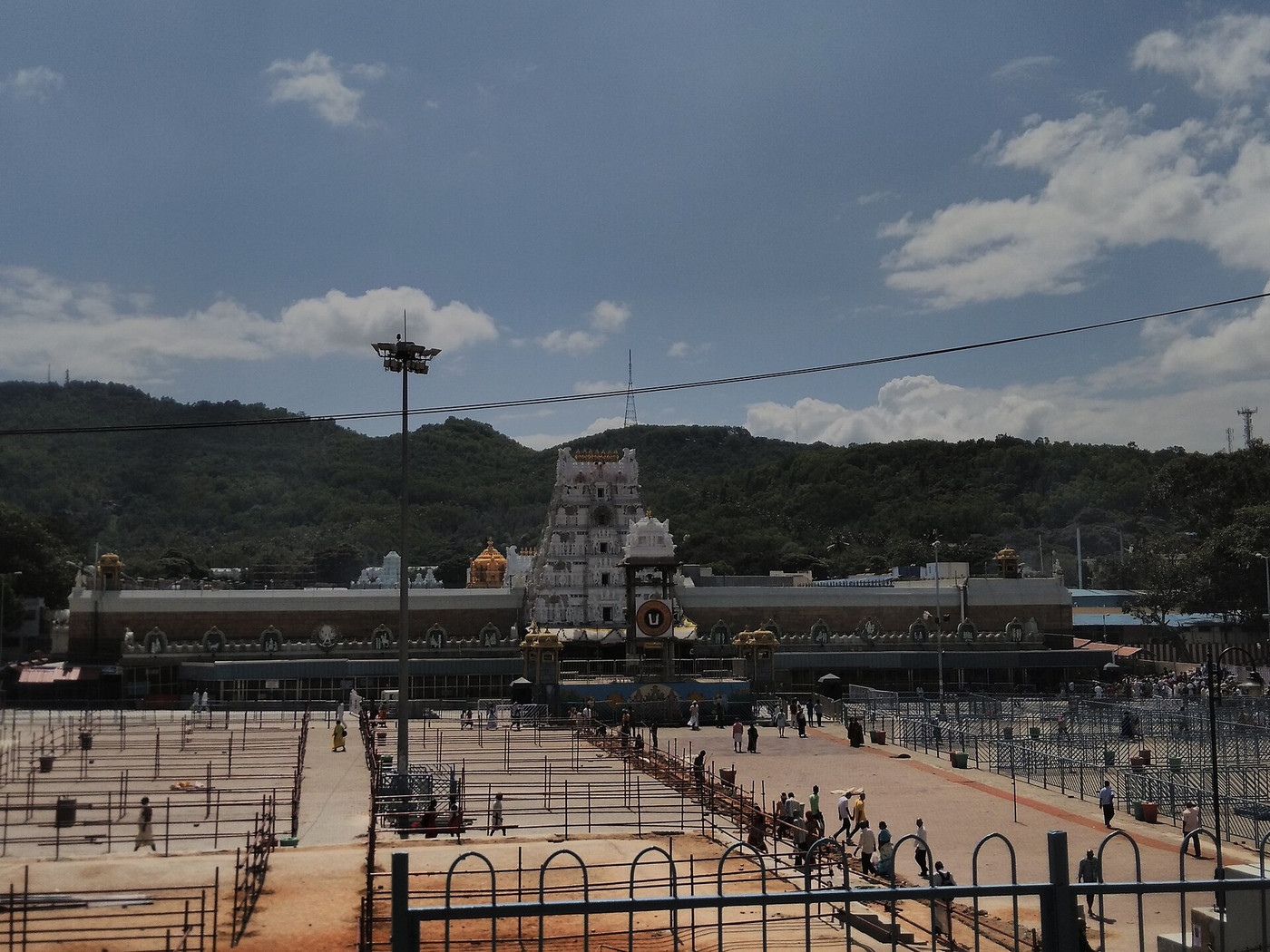
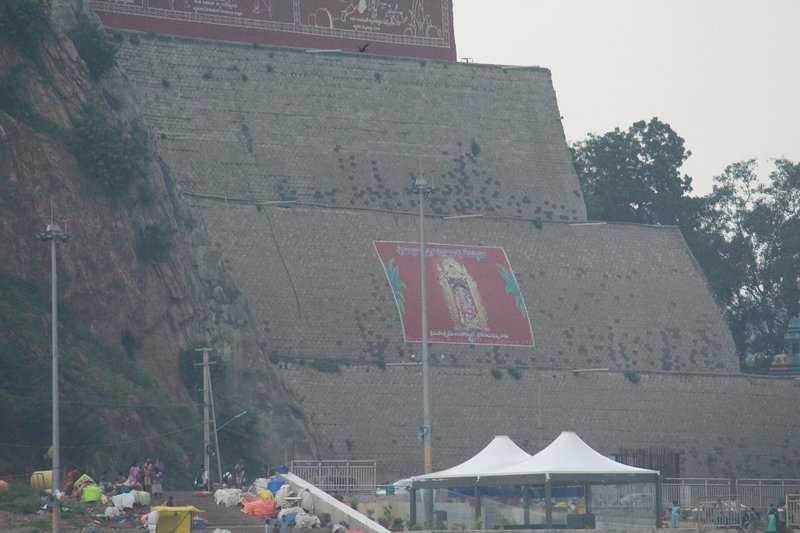
File photo: Dinesh Kumar (DK) from Bangalore, Karnataka, India (CC BY-SA 2.0), via Wikimedia Commons
The ASI's epigraphy branch began copying and digitising about 750 inscriptions at Tirumala's Venkateswara temple on October 27, 2026, under the Bharat SHRI repository project.
What Happened
The epigraphy branch of the Archaeological Survey of India (ASI) has begun copying and digitising about 750 inscriptions at the Sri Venkateswara temple in Tirumala, Andhra Pradesh, under the Bharat Shared Repository of Inscriptions (Bharat SHRI) project, according to reports dated Tuesday, October 27, 2026. Work began with nearly 600 inscriptions on the temple's walls, and officials expect the full set to shed light on the temple's political, social, religious, economic and cultural history. The inscriptions have been only partly documented before: 44 were copied from the temple's second enclosure in 1889, 1904, 1912 and 1916, and another 53 from the walls of the sanctum in 2008-09.
Key Facts
- Who: the epigraphy branch of the Archaeological Survey of India.
- Where: Sri Venkateswara temple, Tirumala, Andhra Pradesh.
- What: copying and digitising about 750 inscriptions; work began with nearly 600.
- Project: Bharat Shared Repository of Inscriptions (Bharat SHRI).
- Start: reported on Tuesday, October 27, 2026.
- Earlier records: 44 inscriptions copied between 1889 and 1916, and 53 in 2008-09.
- Purpose: to make the inscriptions available as a record of the temple's history and of the region's society and economy.
Why It Matters
Temple inscriptions are among the most important sources of Indian history. Carved into stone walls and pillars, they record gifts of land, gold and jewels, the founding of rituals and festivals, the names of kings, queens, merchants and ordinary devotees, and sometimes disputes and their resolution. For a temple as old and as richly endowed as Tirumala, the inscriptions together form an archive spanning many centuries, showing how rulers and communities supported the shrine and how its rituals developed.
Until now, only a small fraction of the Tirumala inscriptions had been systematically copied, and the earliest records date back more than a century. Stone weathers, walls are renovated, and some surfaces have been covered over time. Earlier accounts describe plans to record inscriptions on the outer walls of the sanctum before they were covered with gold plating, and note that many date from the Vijayanagara period, with some from the Chola, Pandya and Pallava eras. A full digital copy protects that record against further loss.
The Bharat SHRI project aims to build a shared national repository of inscriptions, so that scholars, students and the public can study texts that were previously scattered across old publications or never published at all. Digitised inscriptions can be read, translated and cross-referenced far more easily, and can help historians build a fuller picture of trade, administration, religious life and languages across south India.
For devotees, the work does not affect darshan or rituals; it records what is already on the temple's walls. For historians of Telugu, Tamil, Kannada and Sanskrit, it promises a significant new body of material.
| Period | Inscriptions copied |
|---|---|
| 1889, 1904, 1912, 1916 | 44, from the second enclosure |
| 2008-09 | 53, from the sanctum walls |
| From October 27, 2026 | About 750, under Bharat SHRI |
Impact
Short-term: ASI epigraphists will document the inscriptions on site, beginning with nearly 600, before they are processed for the repository.
Long-term: Once published, the Tirumala inscriptions could become one of the richest digital sources on the history of a single Indian temple, supporting research in history, languages and religious studies for decades.
Who is affected: Historians, epigraphists and students; devotees interested in the temple's history; Tirumala Tirupati Devasthanams, which administers the temple; and researchers using the Bharat SHRI repository.
Key Takeaway
The ASI's digitisation of about 750 inscriptions at Tirumala, most of them never fully recorded before, will preserve one of south India's richest stone archives and open it to scholars and the public through Bharat SHRI.
Questions and Answers
What is the ASI doing at the Tirumala temple?
The Archaeological Survey of India's epigraphy branch has begun copying and digitising about 750 inscriptions at the Sri Venkateswara temple in Tirumala, starting with nearly 600, under the Bharat SHRI project. The work was reported on October 27, 2026.
What is Bharat SHRI?
Bharat SHRI, the Bharat Shared Repository of Inscriptions, is a project to build a shared digital collection of India's inscriptions so they can be studied by scholars and the public.
Had the Tirumala inscriptions been recorded before?
Only partly. Forty-four were copied from the temple's second enclosure between 1889 and 1916, and 53 from the sanctum walls in 2008-09. The new project covers about 750.
Will the work affect darshan at Tirumala?
The work involves documenting inscriptions already on the temple's walls. Reports on the project do not mention any change to darshan or rituals.
Disclaimer: Prepared by the Peepals newsroom from publicly available sources with AI assistance. Information is accurate to the best of our knowledge at the time of publication and may change. Images may be representative. Not professional advice. Report an error via our contact page.
By Ishita Sen, Culture & Heritage EditorCovers Culture & Heritage and more for Peepals Sanskriti. All stories by Ishita Sen
Kerala team scouts site for national Ayurveda institute, minister tells Assembly
Ramkund, Kushavarta stamps to mark Nashik Kumbh flag hoisting on October 31
Get the day's stories in your inbox
Peepals Weekly: the week decoded, free. One email a week, unsubscribe in one click.
Ishita Sen is a pen name of the Peepals Global Editorial Team, which researches, fact-checks and publishes every story. The portrait is an illustration.