
Cyclone Arnab floods 70,900 hectares of paddy; Naidu seeks central teams
 By Rohit SharmaMarkets Analyst, Peepals Business
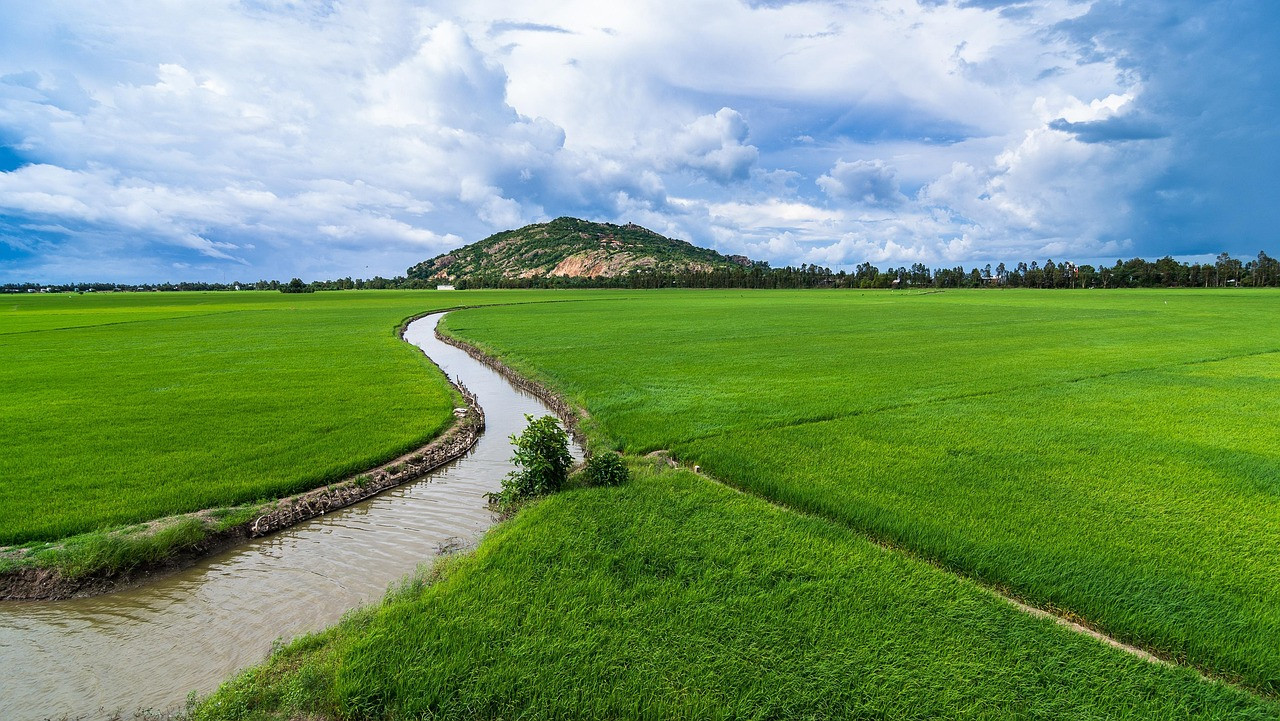
Representative image: zorrotran / Pixabay
Cyclone Arnab inundated about 70,900 hectares of paddy and damaged 10,450 hectares of horticulture crops in Andhra Pradesh, CM Naidu told the Centre on October 28, 2026.
What Happened
Cyclone Arnab has inundated paddy fields across about 70,900 hectares in Andhra Pradesh and damaged horticulture crops on about 10,450 hectares, according to preliminary estimates that Chief Minister N. Chandrababu Naidu sent to Union Home Minister Amit Shah after the storm crossed the coast near Yanam and Kakinada. In the letter, reported on October 28, 2026, Naidu asked the Centre to send inter-ministerial teams to assess the damage and to continue central help for relief and restoration. Konaseema, Kakinada, East Godavari, West Godavari, Anakapalli and Krishna districts are among the worst affected. The Chief Minister said no deaths had been reported so far.
Key Facts
- Paddy: about 70,900 hectares inundated, according to the state's preliminary estimate.
- Horticulture: crops damaged on about 10,450 hectares.
- Worst-hit districts: Konaseema, Kakinada, East Godavari, West Godavari, Anakapalli and Krishna.
- Other damage: about 180 houses damaged and more than 220 trees down across roads, per preliminary assessments.
- Deaths: none reported so far, the Chief Minister said.
- Relief: 16 NDRF and 11 SDRF teams deployed across 14 districts, and more than 28,000 people moved to relief centres.
- Request: central teams to assess losses and continued central assistance.
Why It Matters
The cyclone arrived at the worst point in the farming calendar for coastal Andhra. The Godavari and Krishna delta districts are among the state's main rice bowls, and much of the kharif paddy crop was close to harvest in late October. Before landfall, both Andhra Pradesh and Odisha had told farmers to cut mature paddy early and move grain to safe storage. Fields that could not be harvested in time now sit under water.
Inundation does not always mean a total loss, but it often means one. Paddy that is ready to harvest can lodge, or fall over, under strong winds, and grain left standing in water can sprout or rot within days. Even when a crop is saved, the quality falls, which lowers the price farmers receive and can push the grain below procurement standards. Horticulture crops such as banana and vegetables, which are common in Konaseema and the Godavari districts, are especially vulnerable to wind.
The request for central teams is the first step towards compensation. Under India's disaster relief system, states pay immediate relief from their State Disaster Response Fund, and the Centre can release extra money from the National Disaster Response Fund after its teams assess the damage. Farmers' input subsidies, a form of compensation per hectare for crop loss, depend on these assessments. Farmers covered by crop insurance will also need to report losses quickly.
The absence of deaths so far is significant for a storm of this strength and reflects large-scale evacuation in advance. The economic losses, however, are only starting to be counted, and the state says the full extent will become clear after detailed field surveys.
| Damage type | Preliminary figure |
|---|---|
| Paddy inundated | About 70,900 hectares |
| Horticulture crops damaged | About 10,450 hectares |
| Houses damaged | About 180 |
| Trees fallen on roads | More than 220 |
| People moved to relief centres | More than 28,000 |
Impact
Short-term: Farmers in the delta districts face losses on a crop that was close to harvest, and urgent work is needed to drain fields and save what can be saved. Damaged roads and fallen trees are slowing access to villages.
Long-term: Crop losses could reduce paddy arrivals at procurement centres in coastal Andhra this season and add to farm debt. Compensation will depend on central and state assessments and on insurance claims.
Who is affected: Paddy and horticulture farmers in Konaseema, Kakinada, East and West Godavari, Anakapalli and Krishna districts; farm labourers who depend on the harvest; rice millers and traders in the region; and families whose houses were damaged.
Key Takeaway
Cyclone Arnab's toll in Andhra Pradesh is mainly agricultural so far, with about 70,900 hectares of near-harvest paddy under water, and farmers' compensation now depends on the central assessment the Chief Minister has requested.
Questions and Answers
How much crop damage has Cyclone Arnab caused in Andhra Pradesh?
According to preliminary state estimates sent to the Centre, paddy has been inundated across about 70,900 hectares and horticulture crops damaged on about 10,450 hectares. The figures may change after detailed field surveys.
Which districts are worst hit by Cyclone Arnab?
Konaseema, Kakinada, East Godavari, West Godavari, Anakapalli and Krishna districts are among the worst affected, according to the Chief Minister's letter to Union Home Minister Amit Shah.
Has anyone died in Cyclone Arnab?
Chief Minister N. Chandrababu Naidu said no deaths had been reported so far, crediting advance precautions. More than 28,000 people were moved to relief centres, and 16 NDRF and 11 SDRF teams were deployed.
How will farmers get compensation?
The state has asked the Centre to send teams to assess the damage, which is the basis for extra central disaster funds and per-hectare input subsidies for crop loss. Farmers with crop insurance should report their losses to their insurer or agriculture office as soon as possible.
Disclaimer: Prepared by the Peepals newsroom from publicly available sources with AI assistance. Information is accurate to the best of our knowledge at the time of publication and may change. Images may be representative. Not professional advice. Report an error via our contact page.
By Rohit Sharma, Markets AnalystCovers Markets Watch and more for Peepals Business. All stories by Rohit Sharma
Ola Electric share price rallies 14% as SoftBank trims stake to 11.7%
Indian retail investors turn to US stocks as Groww, Zerodha open access
Get the day's stories in your inbox
Peepals Weekly: the week decoded, free. One email a week, unsubscribe in one click.
Rohit Sharma is a pen name of the Peepals Global Editorial Team, which researches, fact-checks and publishes every story. The portrait is an illustration.