
GeM's AABHAR Collection puts 294 heritage crafts before government buyers
 By Ishita SenCulture & Heritage Editor, Peepals Sanskriti
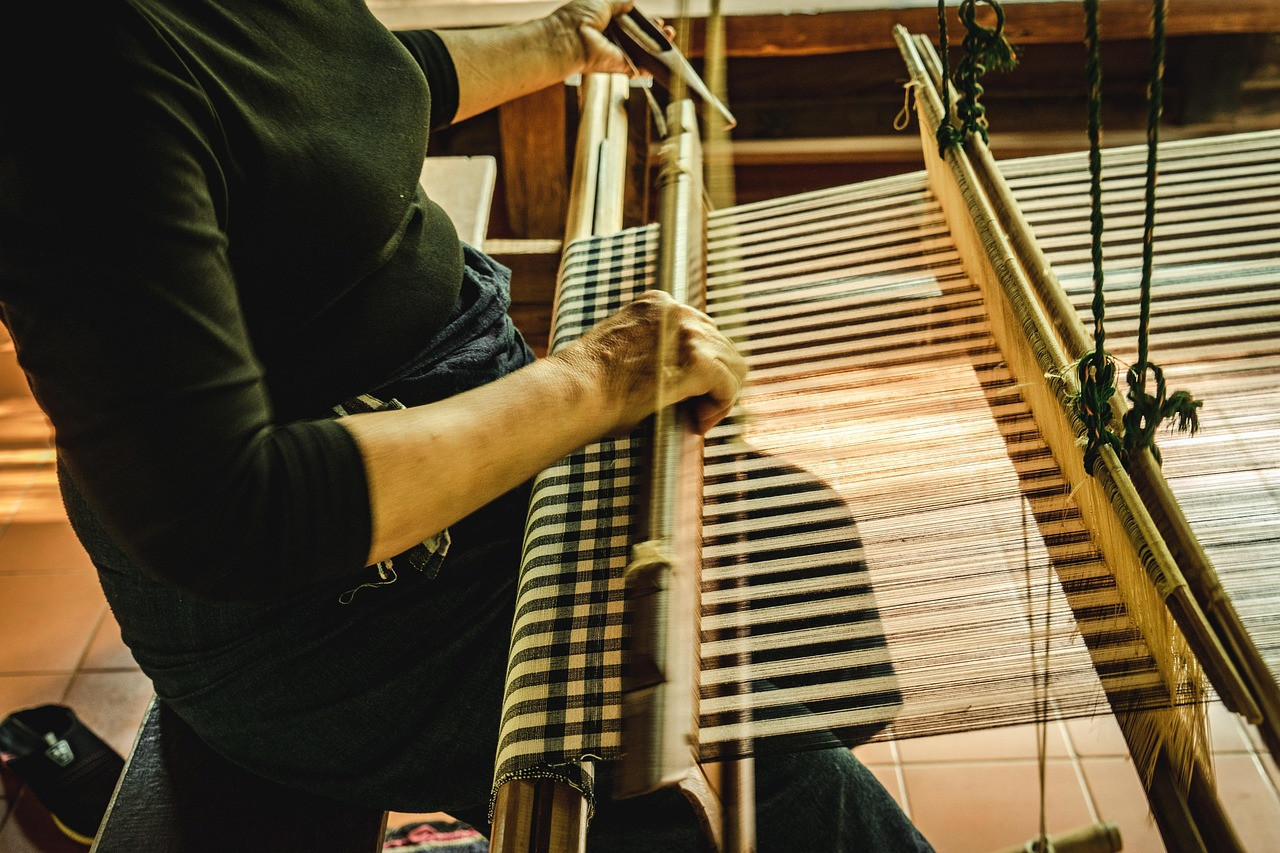
Representative image: aiworldexplore / Pixabay
GeM said on October 26, 2026 it is promoting the AABHAR Collection, 294 craft and handloom gifts from 10 emporiums, for government buyers before Diwali.
What Happened
The Government e-Marketplace (GeM), the online platform through which central and state government bodies buy goods and services, said on Monday, October 26, 2026, that it is promoting "The AABHAR Collection", a dedicated storefront of gifts and hampers drawn from India's craft and handloom traditions. The collection lists 294 products from 10 central and state handloom and handicraft emporiums, and is meant for ministries, departments and public sector bodies looking for official and festive gifts. The push comes ahead of Diwali, which falls on November 8 this year.
Key Facts
- The AABHAR Collection is a curated storefront on GeM for gift items and hampers that reflect Indian heritage, according to GeM.
- It covers handicrafts and handlooms, artisanal foods and pantry products, and personal care items, including products linked to the One District, One Product (ODOP) scheme and to Geographical Indication (GI) tags.
- At launch it carries 294 product listings from 10 central and state emporiums.
- The sellers include the Central Cottage Industries Emporium (COTTAGE), Khadi India and the emporiums of Gujarat, Himachal Pradesh, Jharkhand, Karnataka, Madhya Pradesh, Maharashtra, the North East and Tamil Nadu.
- Seven more government emporiums and bodies, including the Coffee Board and bodies from West Bengal, Jammu and Kashmir, Nagaland, Odisha and Manipur, are at an advanced stage of joining, GeM said.
- Government buyers can use the collection for official ceremonies, conferences, state events, visiting foreign delegations, staff recognition, retirement functions and festivals.
- GeM's chief executive, Mihir Kumar, said the initiative is focused on supporting under-served seller groups through the network of handicraft and handloom emporiums.
Why It Matters
India's living craft traditions, from hand-woven textiles to regional food products, depend on steady buyers. Government departments and public sector companies spend large sums every year on gifts for events, visiting delegations and festivals, and much of that has traditionally gone to mass-produced items. By grouping heritage products in one place on the platform government buyers already use, GeM is trying to steer some of that spending towards artisans, weavers and small producers.
Two terms explain what sits in the collection. A Geographical Indication (GI) tag is a legal label that ties a product to the place it traditionally comes from, and to the methods used there, such as a particular weave, a sweet or a spice. One District, One Product (ODOP) is a government programme that picks a signature product from each district and helps it reach wider markets. Products under either label carry a story of place and practice, which is what makes them suitable as gifts that represent India at official events and to foreign guests.
The choice to work through state and central emporiums also matters. Emporiums such as Cottage and the state handicraft corporations already buy from artisans and craft clusters, so orders placed with them pass, at least in part, to producers who would struggle to register and sell on a government procurement platform on their own. With seven more bodies close to joining, including those from several north-eastern states and Odisha, the range of regional crafts on offer is expected to grow. How much of this reaches artisans will depend on how many government buyers actually use the storefront.
The table sets out the collection as described by GeM.
| Item | Detail |
|---|---|
| Launch push | October 26, 2026 |
| Product listings | 294 |
| Emporiums selling now | 10 |
| Emporiums and bodies joining | 7, at an advanced stage |
| Typical uses | Official ceremonies, foreign delegations, staff recognition, festivals |
Impact
Short-term: Ahead of Diwali, government offices and public sector companies have a ready list of heritage gifts and hampers from state emporiums, which could lift festive orders for participating emporiums.
Long-term: If departments make the storefront their default for official gifting, it could give craft emporiums, and the artisans who supply them, a steadier source of public sector demand across the year.
Who is affected: Artisans, weavers and small food producers who supply state and central emporiums; the emporiums themselves; and ministries, departments and public sector bodies that buy gifts through GeM.
Key Takeaway
GeM's AABHAR Collection puts 294 heritage gifts from 10 government emporiums in front of official buyers, aiming to direct public gifting budgets towards India's craft traditions.
Questions and Answers
What is the AABHAR Collection on GeM?
It is a dedicated storefront on the Government e-Marketplace, promoted from October 26, 2026, that brings together gift items and hampers reflecting Indian heritage, such as handicrafts, handlooms and artisanal foods, for government buyers.
Who sells on the AABHAR Collection?
At present, 10 central and state emporiums sell 294 products, including Cottage, Khadi India and the emporiums of Gujarat, Himachal Pradesh, Jharkhand, Karnataka, Madhya Pradesh, Maharashtra, the North East and Tamil Nadu.
Can ordinary shoppers buy from it?
GeM is a platform for public procurement, and the collection is aimed at ministries, departments, public sector companies and other institutional buyers. GeM's announcement did not describe it as open to individual shoppers.
How does this help artisans?
The emporiums buy from artisans and craft clusters, so government orders placed through the collection can pass on demand to them. GeM said the aim is to support under-served seller groups through this emporium network.
Disclaimer: Prepared by the Peepals newsroom from publicly available sources with AI assistance. Information is accurate to the best of our knowledge at the time of publication and may change. Images may be representative. Not professional advice. Report an error via our contact page.
By Ishita Sen, Culture & Heritage EditorCovers Culture & Heritage and more for Peepals Sanskriti. All stories by Ishita Sen
AIIA Faridabad elderly Ayurveda programme reports quality-of-life gains
Sabarimala ghee case: contractor held for swapping Aravana ghee
Get the day's stories in your inbox
Peepals Weekly: the week decoded, free. One email a week, unsubscribe in one click.
Ishita Sen is a pen name of the Peepals Global Editorial Team, which researches, fact-checks and publishes every story. The portrait is an illustration.