
Kendrapara's Rajnagar keeps Durga boat immersion alive on crocodile river
 By Ishita SenCulture & Heritage Editor, Peepals Sanskriti
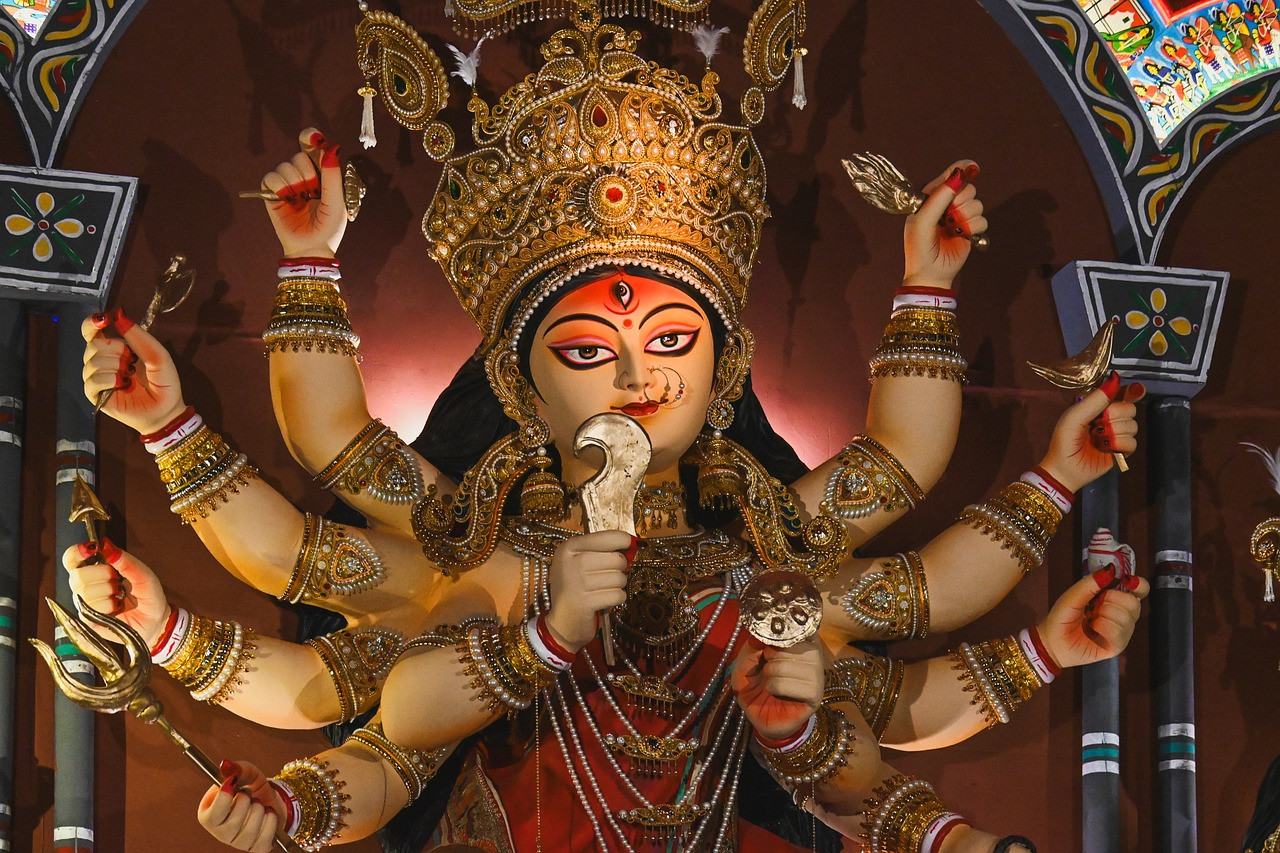
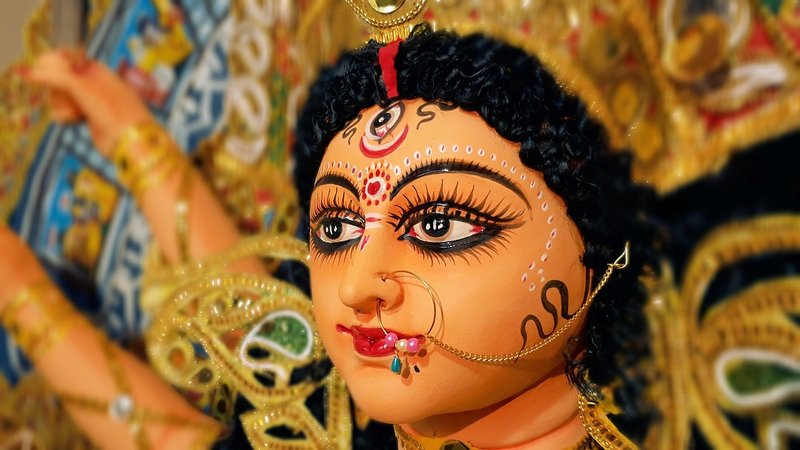
Representative image: kolkatarchobiwala / Pixabay
About 20 Durga idols travelled 6 km by boat on Odisha's Hansua river on 22 October 2026 in Rajnagar's centuries-old Chapa immersion ritual.
What Happened
Villagers in Rajnagar, in Odisha's Kendrapara district, bid farewell to Goddess Durga by boat on Thursday, 22 October 2026, keeping alive a river immersion tradition that local puja committees say goes back more than two centuries. About 20 idols were placed on decorated boats and taken along a 6 km stretch of the Hansua river before immersion. Police and fire service personnel were deployed to supervise the procession on a river known for its saltwater crocodiles.
Key Facts
- Place and date: Rajnagar block, Kendrapara district, Odisha, on 22 October 2026, after the Durga Puja festival.
- About 20 idols, including forms of the goddess worshipped locally, were carried along the Hansua river by boat.
- Members of the Gopal (Gauda) community carry each idol on their shoulders to a decorated boat.
- On the river, each idol is taken through seven ceremonial rounds, a ritual called Chapa, with kirtan, traditional instruments and chants of "Haribol".
- Most reports date the Rajnagar puja to more than 200 years ago; some place its origin about 300 years back, in the time of the former Kanika rulers.
- Bathing and swimming out to the boats have been banned for nearly two decades because the Hansua holds saltwater crocodiles.
- The river is linked to the waterways of Bhitarkanika National Park, which shelters more than 1,800 crocodiles.
Why It Matters
Durga Puja ends with visarjan, the immersion of the goddess's image in water, which in the tradition marks her farewell until the next year. Across eastern India this is usually a road procession that ends at a river bank or a pond. Rajnagar's way of doing it is different: the goddess travels on the river itself, and the farewell happens on the water.
According to local accounts, the custom grew out of practical need. The area had few bridges, so puja committees had little choice but to carry idols by boat. Roads now connect most of the villages, yet the committees have chosen to keep the boat route. That makes the procession a small but clear example of how a living tradition can outlast the conditions that created it, and become part of a community's identity.
The Chapa ritual is the heart of the day. Taking the goddess around seven times on the boat is a form of farewell, and the music and chanting turn it into a shared community event rather than a private rite. The role of the Gopal (Gauda) community, who carry the idols to the boats, shows how different groups in a village each hold a part of the festival.
The setting adds a rare natural dimension. The Hansua is linked to the waterways of Bhitarkanika National Park, a mangrove area that shelters more than 1,800 saltwater crocodiles. Older customs such as devotees bathing in the river or swimming out to the boats have been stopped for nearly two decades for safety, while the boat procession itself continues under police and fire service watch. Tradition and wildlife protection have found a way to coexist.
| Detail | Rajnagar boat immersion, 2026 |
|---|---|
| Date | 22 October 2026 |
| Idols carried by boat | About 20 |
| River stretch covered | About 6 km of the Hansua |
| Ritual on the water | Seven rounds (Chapa) |
| Safety cover | Police and fire services |
Impact
Short-term: The immersion was held under police and fire service supervision, with puja committees, boatmen and devotees taking part along the river.
Long-term: As roads and bridges reach more of Odisha's coastal villages, river customs like this could fade. Rajnagar's decision to keep the boat route, and the attention it draws each year, may help preserve it and could interest visitors who already come to the region for Bhitarkanika's mangroves.
Who is affected: Puja committees and families in Rajnagar block, boatmen and the Gopal (Gauda) community who play set roles in the ritual, local police and fire services, and visitors to the Bhitarkanika area.
Key Takeaway
In Kendrapara's Rajnagar, Durga still leaves by boat: about 20 idols travelled 6 km down the crocodile-inhabited Hansua river on 22 October 2026 in a ritual locals say is over 200 years old.
Questions and Answers
What is the Rajnagar Durga boat immersion in Odisha?
It is a Durga Puja custom in Rajnagar, Kendrapara district, where idols are carried on decorated boats along the Hansua river and taken through seven ceremonial rounds before immersion. In 2026 about 20 idols took the river route on 22 October.
What is the Chapa ritual?
Chapa is the boat ritual at the centre of the Rajnagar immersion. Each idol is taken around seven times on a decorated boat, with kirtan, traditional instruments and chants of "Haribol", as a farewell to the goddess before immersion.
Is it safe, given the crocodiles in the Hansua river?
Officials treat it as a supervised event. Police and fire service personnel were deployed in 2026, and bathing or swimming out to the boats has been banned for nearly two decades because the river holds saltwater crocodiles linked to Bhitarkanika National Park.
Why are Durga idols in Rajnagar immersed by boat instead of by road?
According to local accounts, the area once had few bridges, so puja committees carried idols by water. Roads now reach the villages, but the committees continue the boat procession to preserve the tradition.
Disclaimer: Prepared by the Peepals newsroom from publicly available sources with AI assistance. Information is accurate to the best of our knowledge at the time of publication and may change. Images may be representative. Not professional advice. Report an error via our contact page.
By Ishita Sen, Culture & Heritage EditorCovers Culture & Heritage and more for Peepals Sanskriti. All stories by Ishita Sen
ASI to dig Ujjain's Vaishya Tekri after survey finds cluster of Buddhist stupas
Hyderabad sweet shop checks: TG SAFE seizes 1,035 kg, suspends three licences
Ishita Sen is a pen name of the Peepals Global Editorial Team, which researches, fact-checks and publishes every story. The portrait is an illustration.