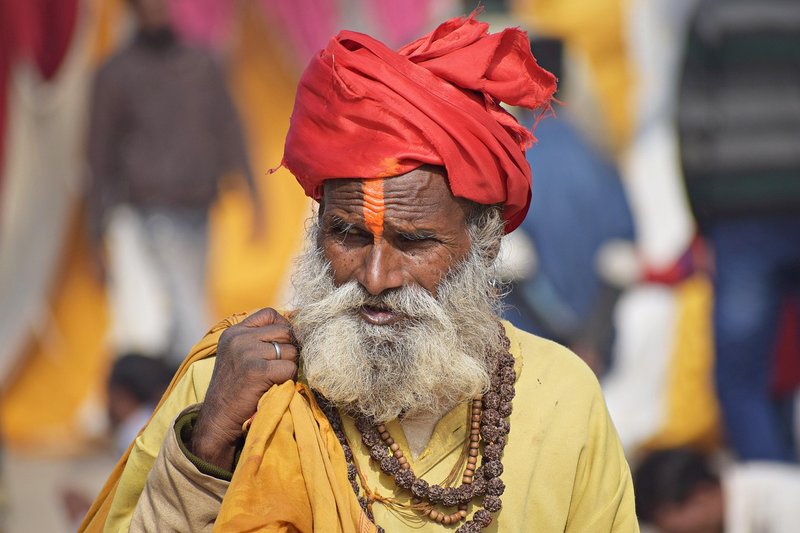

Bastar Dussehra enters Navratri phase with thorn-swing Kachhan Gadi ritual
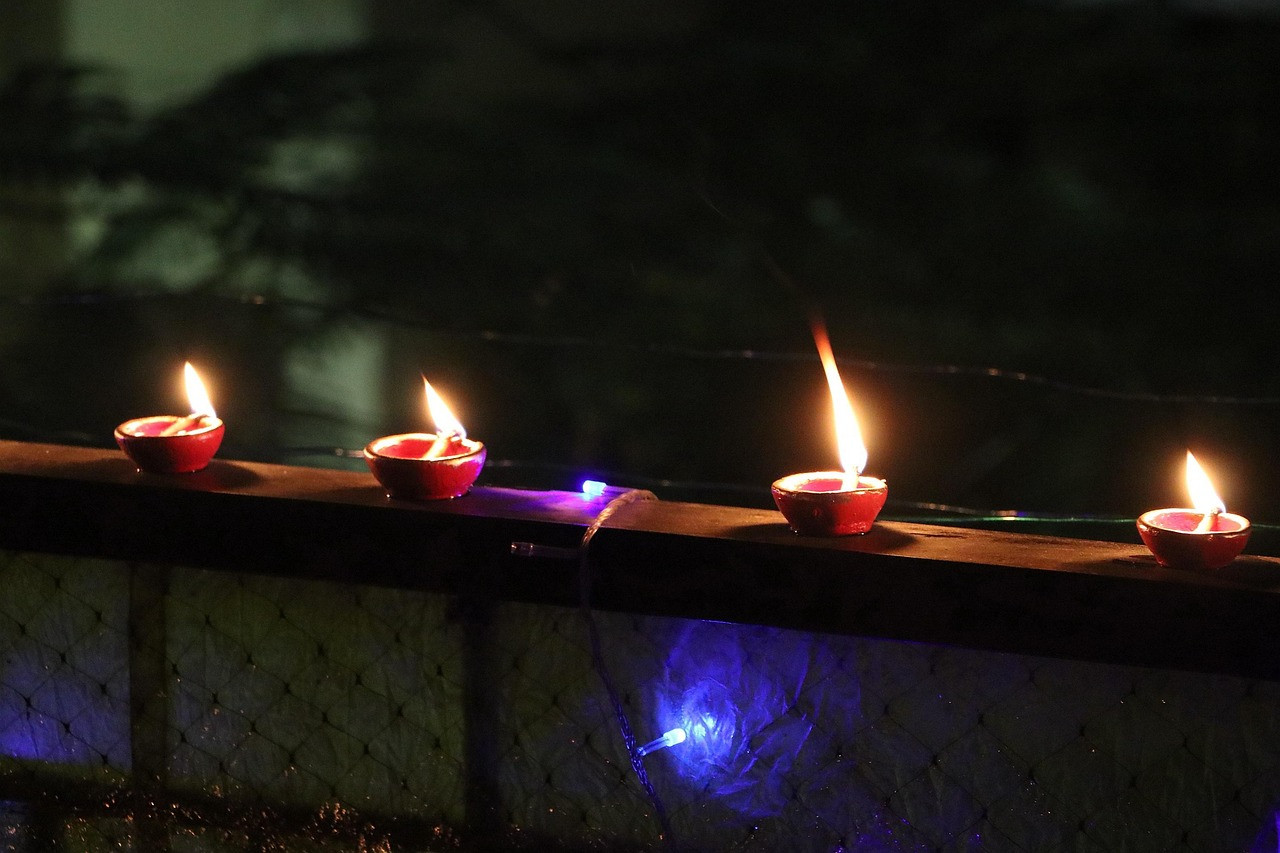
Representative image: CompileIdeas / Pixabay
Bastar's 75-day Dussehra reached its Navratri phase with the Kachhan Gadi thorn-swing ritual on October 10 and Jogi Bithai on October 12, 2026.
What Happened
Bastar Dussehra, the long festival of the tribal Bastar region of Chhattisgarh, has entered its central Navratri phase. On the evening of Saturday, October 10, 2026, the Kachhan Gadi ritual was performed at the Kachhan Gudi shrine near Bhangaram Chowk in Jagdalpur, where a young girl of the Panka community, Pihu Das, sat on a swing made of thorns from the bel tree. Local reports say the goddess Kachhan Devi is believed to enter the girl and, through her, grant permission for the Dussehra festivities to go ahead. Kalash sthapana followed on Sunday, October 11, the first day of Shardiya Navratri, and the Jogi Bithai ritual was scheduled for the evening of Monday, October 12.
Key Facts
- Kachhan Gadi was held on the evening of Saturday, October 10, 2026, in Jagdalpur, the main town of Bastar district.
- The medium for the ritual this year is Pihu Das, a girl from the Panka community, who sits on a swing of bel thorns.
- Local reports put the tradition at about 600 years old; the exact figure varies between accounts.
- The festival schedule lists kalash sthapana on October 11 and Jogi Bithai on Monday, October 12.
- In Jogi Bithai, a young man from Bade Amabal village sits in penance at a set spot in Jagdalpur for nine days, a vow meant to see the festival through without obstacles.
- Bastar Dussehra lasts about 75 days. This year it opened in mid-August with the Paat Jatra ritual, the worship of the first wood for the festival chariot.
- The main chariot rituals and the closing gatherings take place around Vijayadashami later in October.
Why It Matters
Most of India knows Dussehra as the day Lord Rama's victory over Ravana is marked by burning effigies. Bastar's festival is different. It is centred on the goddess Danteshwari, the presiding deity of the region and of its former ruling family, and it is shaped by the customs of the Gond, Halba, Muria, Panka and other communities who live in the forests of southern Chhattisgarh. No Ravana effigy is burnt. Instead, the weeks are marked by worship of the land, the forest and local deities, and by a huge wooden chariot built by village craftsmen and pulled through Jagdalpur by hand.
The festival is also notable for how its duties are shared. Each ritual belongs to a particular community or family, handed down over generations. A Panka girl gives the goddess's consent through Kachhan Gadi. A young man sits for Jogi Bithai. Other families build the chariot and pull it. Tradition credits the 15th-century ruler Purushottam Deo with starting the festival, and the division of roles has helped it survive for centuries while many other local customs have faded.
For readers interested in living heritage, Bastar Dussehra is one of the clearest examples in India of a major Hindu festival absorbed into, and reshaped by, Adivasi tradition. It shows Sanatan practice not as a single fixed form but as a family of regional expressions, each with its own deities, rules and meanings.
| Ritual | Date in 2026 | What it marks |
|---|---|---|
| Paat Jatra | mid-August | Worship of the first timber for the chariot; festival begins |
| Kachhan Gadi | Saturday, October 10 | Goddess grants permission through a girl on a thorn swing |
| Kalash sthapana | Sunday, October 11 | Start of Navratri worship |
| Jogi Bithai | Monday, October 12 | Nine-day penance begins for a smooth festival |
Impact
Short-term: Jagdalpur will see heavy crowds over the coming days as Navratri worship continues and the chariot rituals approach. Devotees and visitors should expect busy roads around the Danteshwari temple and the old palace area, and should check timings with local authorities.
Long-term: Each year the festival renews a set of hereditary roles across many communities. Keeping those roles alive, and handing them to younger members such as this year's young medium, decides whether the tradition remains community-led as tourism grows.
Who is affected: The people of Bastar and the families who hold ritual duties, devotees of Danteshwari, local traders and craftsmen, and visitors travelling to Chhattisgarh for the festival.
Key Takeaway
With Kachhan Gadi on October 10 and Jogi Bithai on October 12, Bastar's 75-day Dussehra has moved into its Navratri heart, a goddess-centred festival led by tribal communities rather than the Ravana-burning seen elsewhere.
Questions and Answers
What is the Kachhan Gadi ritual in Bastar Dussehra?
It is the ritual in which the goddess Kachhan Devi is believed to give permission for Dussehra to be celebrated. A young girl from the Panka community sits on a swing made of bel thorns at the Kachhan Gudi shrine in Jagdalpur. In 2026 it was held on October 10, with Pihu Das as the medium.
How is Bastar Dussehra different from Dussehra elsewhere in India?
It lasts about 75 days, it is dedicated to the goddess Danteshwari rather than to Lord Rama's victory over Ravana, and no effigies are burnt. Its rituals are carried out by tribal and local communities, each with a hereditary role, and its high point is a large wooden chariot pulled through Jagdalpur.
What is Jogi Bithai?
Jogi Bithai is a ritual held at the start of Navratri in which a young man sits in penance at a fixed spot in Jagdalpur for nine days. The vow is meant to ensure the festival passes without obstacles. In 2026 it was scheduled for the evening of October 12.
When is the best time to see the main Bastar Dussehra events?
The busiest stretch is the Navratri period and the days around Vijayadashami later in October, when the chariot rituals take place. Published schedules differ on exact days, so visitors should confirm with the Bastar district administration before travelling.
Disclaimer: Prepared by the Peepals newsroom from publicly available sources with AI assistance. Information is accurate to the best of our knowledge at the time of publication and may change. Images may be representative. Not professional advice. Report an error via our contact page.
Sourced and fact-checked by the Peepals Global Editorial Team
Andhra trains 1,870 teachers to lead daily yoga in 935 PM SHRI schools
Natural trans fats in milk and dairy do not raise heart risk, 22-study review finds
Reported, fact-checked and published by the Peepals Global Editorial Team.