
BRICS Theatre Festival opens in Delhi with 11 plays from nine nations
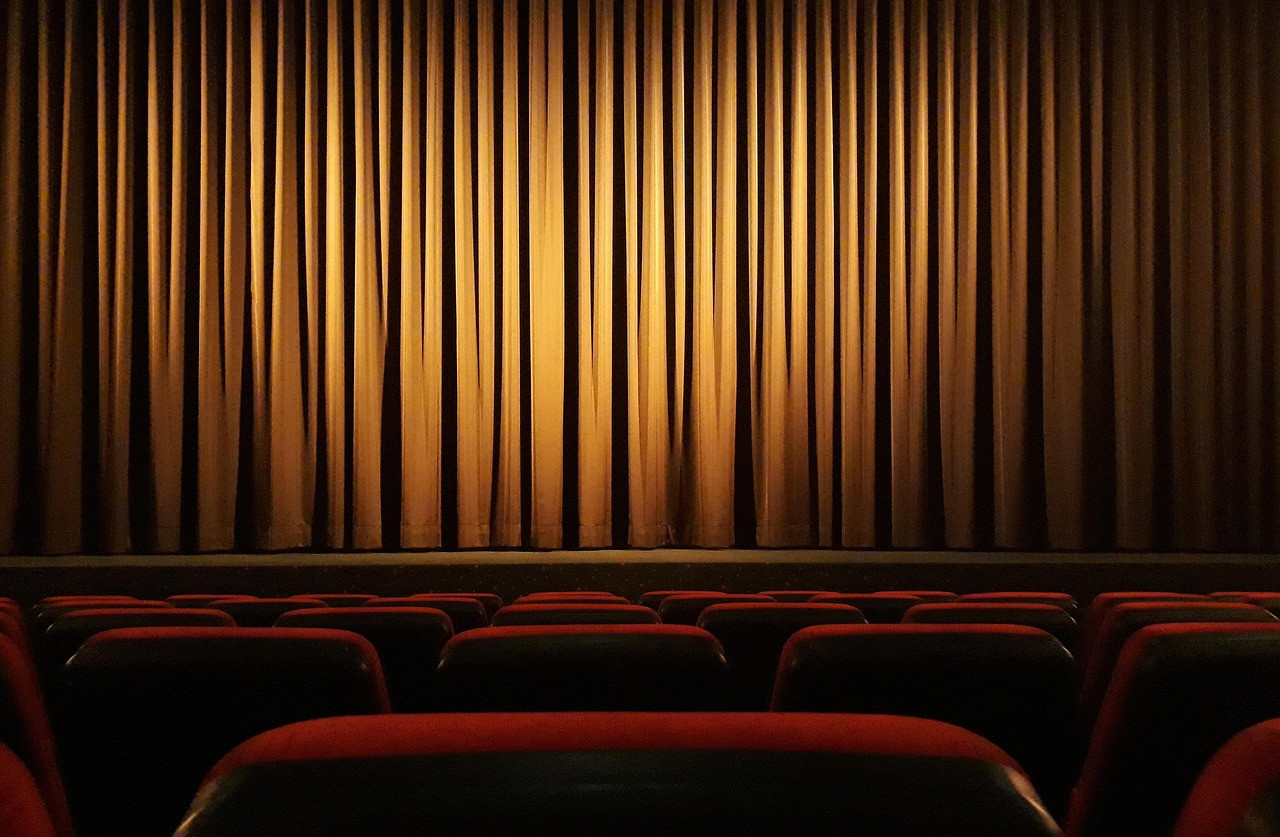
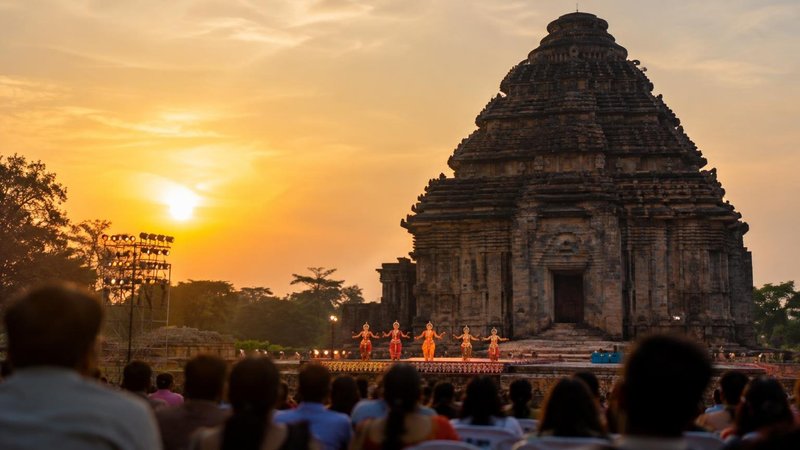
Representative image: onkelglocke / Pixabay
The Culture Ministry's BRICS Theatre Festival runs in New Delhi from October 12 to 14, 2026, with 11 productions from nine countries, led by NSD.
What Happened
The Ministry of Culture's BRICS Theatre Festival 2026 opens in New Delhi on Monday, October 12, 2026, and runs until Wednesday, October 14. Held as part of India's Presidency of BRICS, the three-day festival is themed "Shared Stories, Shared Futures" and brings theatre makers from nine BRICS member and partner countries to the capital. The National School of Drama (NSD), an autonomous body under the ministry, is the nodal agency, and the inauguration is scheduled at its campus on the opening day. According to the ministry's announcement, more than 100 theatre practitioners, scholars, students and cultural representatives are taking part, and 11 productions will be staged across the city.
Key Facts
- Dates: October 12 to 14, 2026, in New Delhi, organised by the Ministry of Culture under India's BRICS Presidency.
- Theme: "Shared Stories, Shared Futures."
- Participating countries: India, Russia, Iran, South Africa, Thailand, Indonesia, Vietnam, Kazakhstan and Ethiopia.
- Scale: more than 100 practitioners, scholars, students and cultural representatives, with 11 productions on the programme.
- India is presenting two productions, and Russia is represented by two theatre groups, according to festival details released by the organisers.
- Venues include NSD's Abhimanch and Sammukh auditoriums, Kamani Auditorium, LTG Auditorium and Meghdoot Theatre.
- The National School of Drama is the nodal agency and hosts the opening.
Why It Matters
India has one of the oldest theatre traditions in the world. The Natyashastra, the classical treatise on drama and performance attributed to the sage Bharata, set out ideas on acting, music, stagecraft and the emotional experience of the audience that still shape Indian classical dance and theatre today. Alongside that classical line sit hundreds of living folk forms, from Yakshagana and Jatra to Nautanki and Bhavai, many of which draw on the epics and Puranic stories. A festival that puts Indian work on the same stages as theatre from Russia, Iran, Ethiopia or Vietnam is a chance to see how other old cultures tell their own stories, and how they compare.
The festival is also a piece of cultural diplomacy. BRICS is best known as a bloc of large emerging economies, and most of its business concerns trade, finance and development. Culture is a quieter track, but it is one where countries with very different politics can find common ground. Several of the participating nations, including Iran, Ethiopia, Thailand and Indonesia, have long performance traditions rooted in ritual, epic and religious storytelling, which makes the chosen theme a natural fit. Indonesia and Thailand in particular have their own versions of the Ramayana in dance and shadow theatre, a living sign of how far Indian epics travelled.
For Delhi audiences, the festival extends a season that NSD already anchors through its annual international festival, the Bharat Rang Mahotsav. A short, focused event of this kind can open doors for Indian theatre groups to tour abroad, and for students at NSD and other drama schools to learn directly from practitioners of other traditions.
| Item | Detail |
|---|---|
| Organiser | Ministry of Culture, Government of India |
| Nodal agency | National School of Drama |
| Dates | October 12 to 14, 2026 |
| Countries | 9 BRICS member and partner countries |
| Productions | 11 |
Impact
Short-term: Theatre lovers in Delhi get three days of international productions at several of the city's main auditoriums. Visitors should check the schedule for each venue before going.
Long-term: If the festival becomes a regular fixture of BRICS cultural cooperation, it could create new touring routes and exchange programmes for Indian theatre groups and for traditional forms that rarely travel abroad.
Who is affected: Theatre artists and students, the National School of Drama, cultural institutions in the participating countries, and audiences in Delhi.
Key Takeaway
India is using its BRICS Presidency to bring 11 productions from nine countries to Delhi's stages from October 12 to 14, 2026, placing its own ancient theatre tradition in conversation with those of its partners.
Questions and Answers
When and where is the BRICS Theatre Festival 2026?
It runs from October 12 to 14, 2026, in New Delhi. The opening is at the National School of Drama, and shows are staged at NSD's Abhimanch and Sammukh auditoriums, Kamani Auditorium, LTG Auditorium and Meghdoot Theatre.
Which countries are taking part?
Nine BRICS member and partner countries: India, Russia, Iran, South Africa, Thailand, Indonesia, Vietnam, Kazakhstan and Ethiopia. Together they are presenting 11 productions, two of them from India.
Who is organising the festival?
The Ministry of Culture is organising it as part of India's BRICS Presidency, with the National School of Drama, an autonomous institution under the ministry, acting as the nodal agency.
Why does a theatre festival matter for Indian heritage?
Indian theatre goes back to the Natyashastra and includes hundreds of folk forms based on the epics. Sharing the stage with other ancient traditions helps Indian artists reach new audiences and shows how stories such as the Ramayana have travelled across Asia.
Disclaimer: Prepared by the Peepals newsroom from publicly available sources with AI assistance. Information is accurate to the best of our knowledge at the time of publication and may change. Images may be representative. Not professional advice. Report an error via our contact page.
Sourced and fact-checked by the Peepals Global Editorial Team
Ayush care moves towards hospitals as insurance cover and private investment grow
IIAS Shimla opens online portal of rare manuscripts in Diamond Jubilee Week
Reported, fact-checked and published by the Peepals Global Editorial Team.