
Ekadashi kab hai: Rama Ekadashi 2026 is on November 5, parana on 6th
 By Devansh TiwariKnowledge Systems Writer, Peepals Sanskriti
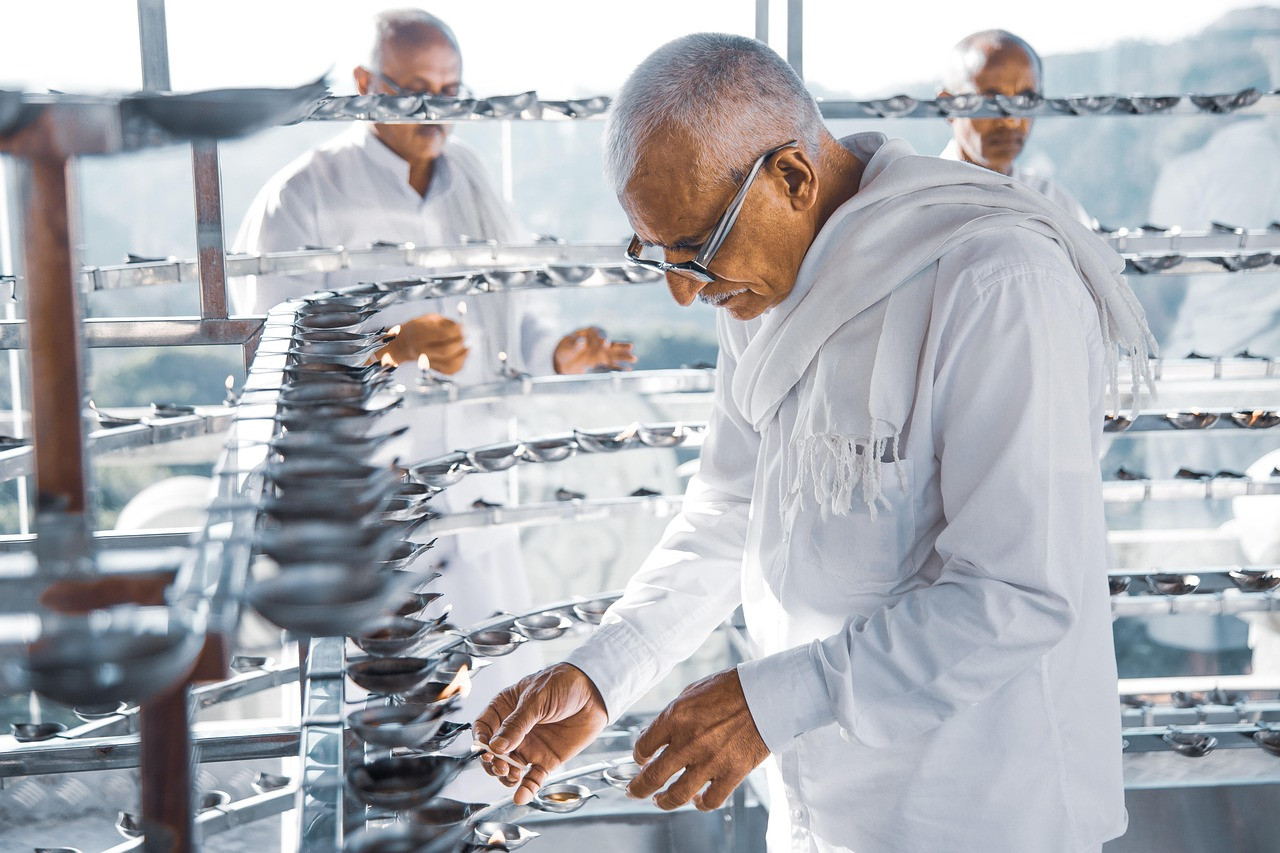
Representative image: kalyanayahaluwo / Pixabay
Rama Ekadashi 2026 falls on Thursday, 5 November: the tithi starts at 11:03 am on 4 November but is present at sunrise on the 5th. Parana is on 6 November.
What Happened
Rama Ekadashi 2026 falls on Thursday, 5 November, according to the main Hindu calendar (panchang) listings, even though the Ekadashi tithi, the eleventh lunar day, begins on Wednesday, 4 November. Prokerala's panchang shows the tithi running from 11:03 am on 4 November to 10:36 am on 5 November. Because the tithi is present at sunrise on 5 November, that is the day the fast is kept, and the fast is broken (parana) on the morning of Friday, 6 November. Searches for "ekadashi kab hai" have been rising as families check which day to fast.
Key Facts
- Ekadashi kab hai: Rama Ekadashi is observed on Thursday, 5 November 2026.
- The Ekadashi tithi starts at 11:03 am on Wednesday, 4 November and ends at about 10:35 to 10:36 am on Thursday, 5 November, according to Prokerala and The Divine India.
- Parana falls on Friday, 6 November; Prokerala's listing gives a window of 6:38 am to 8:51 am, and other guides give slightly different times depending on the city.
- Prokerala lists Dwadashi, the twelfth lunar day, ending at 10:31 am on 6 November.
- Hari Vasara, the first quarter of Dwadashi during which the fast should not be broken, ends at 4:34 pm on 5 November, per Prokerala.
- Rama Ekadashi is the last Ekadashi before Diwali.
- One calendar site gives 4 November as the fast day while using the same tithi times; most listings say 5 November.
Why It Matters
Hindu festival dates are set by the lunar tithi, not by the civil date, and a tithi rarely lines up with midnight-to-midnight days. That is why searches such as "ekadashi kab hai" spike before every Ekadashi: the tithi often starts on one civil day and ends on the next, and families want to know which day to fast.
The usual rule for Ekadashi is the sunrise rule. The day on which the tithi is present at sunrise is the day of the observance. This year the Ekadashi tithi begins late in the morning of 4 November, well after sunrise, and is still running at sunrise on 5 November. So 5 November, a Thursday, is the fast day in most listings. The single listing that gives 4 November uses the same start and end times, which suggests a difference of convention rather than a different calculation.
The second rule concerns the end of the fast. Parana must happen on Dwadashi, the next lunar day, and not during Hari Vasara, its first quarter. Prokerala lists Hari Vasara ending on the afternoon of 5 November and Dwadashi ending at 10:31 am on 6 November, so the window for breaking the fast is the early morning of Friday, 6 November. Because sunrise differs across India, exact parana times vary by city, and guides advise checking a local panchang.
For many households Rama Ekadashi also marks the start of the run-up to Diwali, as it is the last Ekadashi before the festival. Calendar sites list it with its own vrat katha, the story read during the fast, and puja rules.
Peepals calculation: from 11:03 am on 4 November to 10:36 am on 5 November, the Ekadashi tithi lasts about 23 hours and 33 minutes, a little under a full day (24 h − 27 min). Our calculation from the reported figures.
| Event | Date and time (as listed by Prokerala) |
|---|---|
| Ekadashi tithi begins | Wednesday, 4 November, 11:03 am |
| Ekadashi tithi ends | Thursday, 5 November, 10:36 am |
| Hari Vasara ends | Thursday, 5 November, 4:34 pm |
| Parana window | Friday, 6 November, 6:38 am to 8:51 am |
Impact
Short-term: Devotees keeping the Rama Ekadashi fast will observe it on Thursday, 5 November and break it on the morning of Friday, 6 November, after Hari Vasara has ended and before Dwadashi ends.
Long-term: Small differences between calendar sites on the date and parana window are common. Families who follow a particular temple or tradition usually go by that panchang, especially where the listings differ by a day.
Who is affected: Households and temples observing Ekadashi fasts, priests preparing vrat and puja schedules, and anyone planning the days before Diwali.
What to watch next: Parana on the morning of Friday, 6 November 2026.
Key Takeaway
Rama Ekadashi 2026 is on Thursday, 5 November, because the Ekadashi tithi that begins late on 4 November is still running at sunrise on the 5th; the fast ends on the morning of 6 November.
Questions and Answers
Ekadashi kab hai in November 2026?
The next Ekadashi, Rama Ekadashi, is on Thursday, 5 November 2026. The Ekadashi tithi begins at 11:03 am on 4 November and ends at about 10:36 am on 5 November, according to Prokerala.
Why is Rama Ekadashi on 5 November and not 4 November?
Ekadashi is usually kept on the day the tithi is present at sunrise. The tithi begins after sunrise on 4 November and is still on at sunrise on 5 November, so most calendars list 5 November.
What is the Rama Ekadashi parana time?
Parana is on Friday, 6 November. Prokerala's listing gives 6:38 am to 8:51 am; other guides give slightly different times by city, so a local panchang is the best check.
What is Hari Vasara?
It is the first quarter of Dwadashi, the lunar day after Ekadashi, during which the fast should not be broken. Prokerala lists it ending at 4:34 pm on 5 November 2026.
Disclaimer: Prepared by the Peepals newsroom from publicly available sources with AI assistance. Information is accurate to the best of our knowledge at the time of publication and may change. Images may be representative. Not professional advice. Report an error via our contact page.
By Devansh Tiwari, Knowledge Systems WriterCovers Knowledge Systems and more for Peepals Sanskriti. All stories by Devansh Tiwari
Assam paneer ban: fake paneer outlawed for a year as 41 of 60 samples fail
Bengal Biennale 2026: Banalata edition opens in Santiniketan on November 25
Get the day's stories in your inbox
Peepals Weekly: the week decoded, free. One email a week, unsubscribe in one click.
Devansh Tiwari is a pen name of the Peepals Global Editorial Team, which researches, fact-checks and publishes every story. The portrait is an illustration.