
Assam paneer ban: fake paneer outlawed for a year as 41 of 60 samples fail
 By Ishita SenCulture & Heritage Editor, Peepals Sanskriti
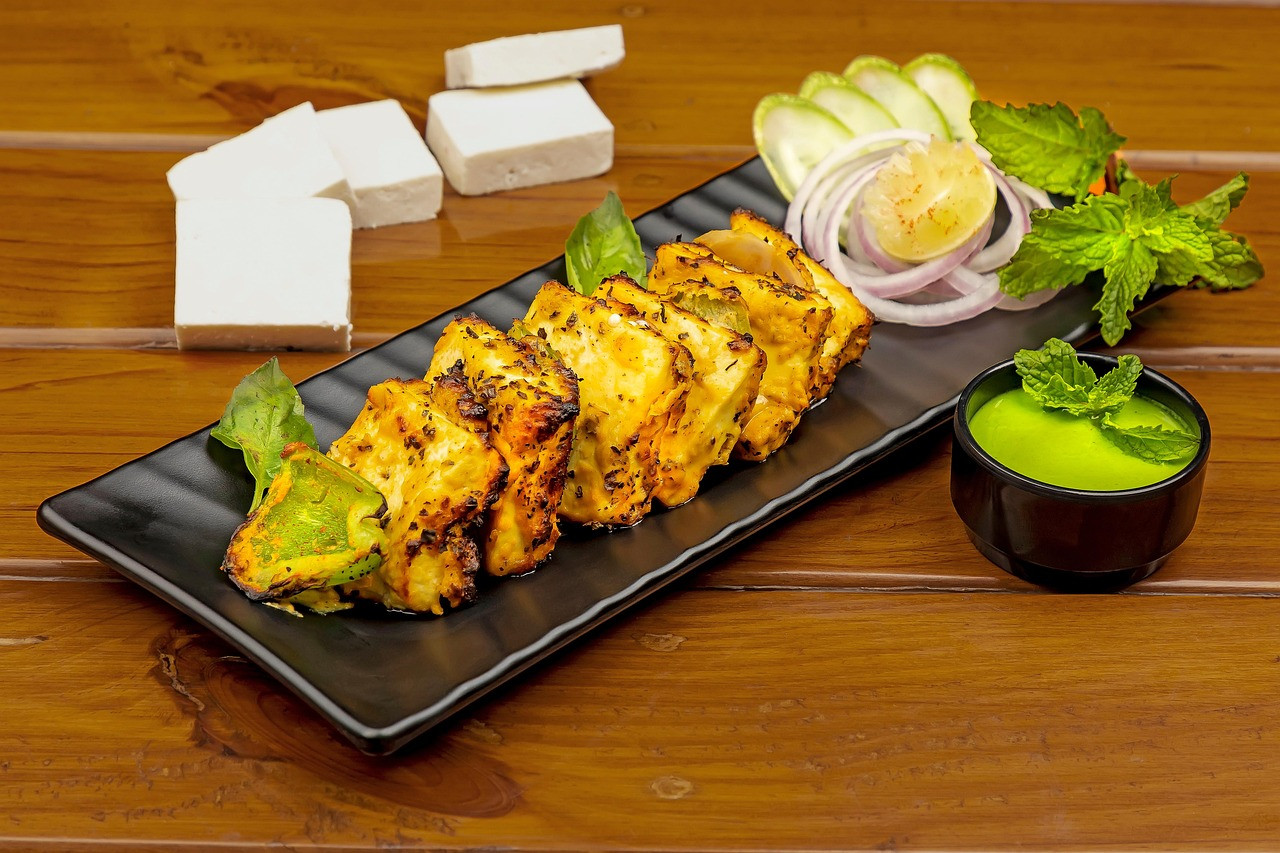
Representative image: Anilsharma26 / Pixabay
Assam's food safety commissioner banned fake paneer statewide for a year on 31 October 2026 after 41 of 60 market samples failed quality tests.
What Happened
Assam has banned the making, storage, transport and sale of fake paneer across the state for one year. The state's Commissioner of Food Safety issued the prohibition order on Saturday, 31 October 2026, under Section 30(2)(a) of the Food Safety and Standards Act, 2006, after laboratory tests found that 41 of 60 paneer samples collected from markets between 1 January and 31 October this year failed quality standards. The order targets non-standard and unauthorised dairy analogues, products made with vegetable fats or other non-dairy ingredients, that are passed off as genuine paneer.
Key Facts
- The Assam paneer ban order was issued on 31 October 2026 and applies statewide for one year.
- It was issued under Section 30(2)(a) of the Food Safety and Standards Act, 2006.
- Of 60 paneer samples tested between 1 January and 31 October 2026, 41 failed: 36 were found substandard and five unsafe.
- The order covers manufacture, storage, transport, distribution and sale of non-compliant analogues sold as paneer.
- Lawfully made dairy analogue products are not banned, provided they meet the applicable standards and are separately identified and properly labelled.
- The state's health minister has described the failure rate as nearly 70% and warned of strict action against violators.
Why It Matters
Paneer is one of the most widely eaten sources of protein in Indian vegetarian kitchens, used in everything from home curries and festival sweets to street snacks and wedding menus. Genuine paneer is made by curdling milk. Analogue paneer looks similar but is made wholly or partly with vegetable oils, starch or other non-dairy ingredients. It is cheaper to produce, and the problem arises when it is sold to customers, hotels and caterers as real paneer at real-paneer prices.
For consumers the issue is both money and nutrition. A buyer paying for a dairy product expects milk fat and milk protein. A substitute made with vegetable fat gives a different nutritional profile and, when made in unhygienic conditions, can carry safety risks. The five samples classed as unsafe in Assam are the most serious finding; the other 36 failed quality standards.
The order is careful not to outlaw a whole product category. Analogue products remain legal if they are made to the rules and clearly labelled as what they are. The target is deception: an imitation sold under the name paneer. That approach puts the burden on sellers, restaurants and sweet shops to know what they are buying and to label it honestly.
Assam is not the first state to act. Haryana's Commissioner of Food Safety banned analogue paneer, and margarine sold as butter or makhan, for one year earlier this year. A legal bulletin on food safety notes that Chhattisgarh, Maharashtra (order dated 30 July 2026) and Gujarat (order dated 5 August 2026) also restricted analogue or non-dairy paneer during July and August. Together these orders show states moving on their own while the wider question of labelling dairy substitutes remains under discussion.
Peepals calculation: 41 failures out of 60 samples is a failure rate of about 68% (41 ÷ 60 ≈ 0.68), which matches the minister's "nearly 70%". Substandard samples alone made up 60% of all those tested (36 ÷ 60), unsafe ones about 8% (5 ÷ 60), and only 19 samples, about 32%, passed. Our calculation from the reported figures.
| Result | Samples |
|---|---|
| Substandard | 36 |
| Unsafe | 5 |
| Passed | 19 |
| Total tested | 60 |
Impact
Short-term: Food safety officers in Assam can now seize fake paneer and act against makers, distributors, shops and eateries found selling it, during the wedding and festival season when paneer demand is high.
Long-term: If enforcement is steady, genuine dairy producers and milk co-operatives may gain, and buyers should find more honest labelling. The state's own testing will show whether the failure rate falls over the year of the order.
Who is affected: Paneer buyers and families across Assam, restaurants, caterers and sweet shops, small dairy units and traders, makers of plant-based dairy alternatives who must label clearly, and the state's food safety officers.
What to watch next: The order runs for one year from 31 October 2026.
Key Takeaway
Assam has banned fake paneer for a year after 41 of 60 samples failed tests, while still allowing properly labelled dairy analogue products.
Questions and Answers
Has Assam banned paneer?
No. Assam has banned non-compliant and unauthorised dairy analogues sold as paneer, often called fake paneer. Genuine paneer made from milk, and analogue products that meet the standards and are clearly labelled, can still be sold.
Why did Assam ban fake paneer?
Tests on 60 paneer samples collected between 1 January and 31 October 2026 found that 41 failed: 36 were substandard and five unsafe. The Commissioner of Food Safety then issued a prohibition order on 31 October.
How long does the Assam fake paneer ban last?
The order applies across Assam for one year. It covers manufacture, storage, transport, distribution and sale of non-compliant analogue products sold as paneer.
Which other states have acted against analogue paneer?
Haryana banned analogue paneer for a year earlier in 2026, and Chhattisgarh, Maharashtra and Gujarat issued orders restricting analogue or non-dairy paneer in July and August 2026.
Disclaimer: Prepared by the Peepals newsroom from publicly available sources with AI assistance. Information is accurate to the best of our knowledge at the time of publication and may change. Images may be representative. Not professional advice. Report an error via our contact page.
By Ishita Sen, Culture & Heritage EditorCovers Culture & Heritage and more for Peepals Sanskriti. All stories by Ishita Sen
MP Ayush stray round: state-quota BAMS, BHMS registration runs November 3-5
Ekadashi kab hai: Rama Ekadashi 2026 is on November 5, parana on 6th
Get the day's stories in your inbox
Peepals Weekly: the week decoded, free. One email a week, unsubscribe in one click.
Ishita Sen is a pen name of the Peepals Global Editorial Team, which researches, fact-checks and publishes every story. The portrait is an illustration.