
Ramdev launches drive to review 'interpolations' in Sanatan scriptures
 By Devansh TiwariKnowledge Systems Writer, Peepals Sanskriti

Representative image: Pexels / Pixabay
At the 52nd All India Oriental Conference in Haridwar, Ramdev announced a Sanatan Shastra Shuddhi Abhiyan, a scholars' panel to examine claimed interpolations in Hindu texts.
What Happened
Yoga guru Ramdev has announced a "Sanatan Shastra Shuddhi Abhiyan", a campaign to examine what he described as interpolations, or later additions, in Hindu scriptures, at the 52nd All India Oriental Conference at Patanjali University in Haridwar, Uttarakhand. The conference, which opened on Thursday, October 29, 2026 and runs until October 31, was inaugurated by Uttarakhand Governor Dhal Singh Bisen. Ramdev said a large committee of scholars, religious authorities, gurus and saints from different sects would be formed to study the passages he says were added or misinterpreted.
Key Facts
- The campaign is called the Sanatan Shastra Shuddhi Abhiyan, which roughly means a drive to purify Sanatan scriptures.
- It was announced by Ramdev at the 52nd All India Oriental Conference, held at Patanjali University, Haridwar, from October 29 to 31, 2026.
- Ramdev said a committee of scholars, religious leaders, gurus and saints from various sects will examine alleged interpolations and wrong interpretations.
- He objected to portrayals of Lord Ram and Goddess Sita as consuming alcohol and meat, and to how Krishna's Rasleela and Lord Brahma are depicted in some texts and readings.
- Ramdev also said legal action would be pursued against those who question Sanatan Dharma.
- Acharya Balkrishna, Vice-Chancellor of Patanjali University, said the conference would examine alleged interpolations in ancient texts and ways to preserve their original teachings.
- A special discussion on Sanatan scriptures was scheduled for Friday, October 30, according to the organisers.
Why It Matters
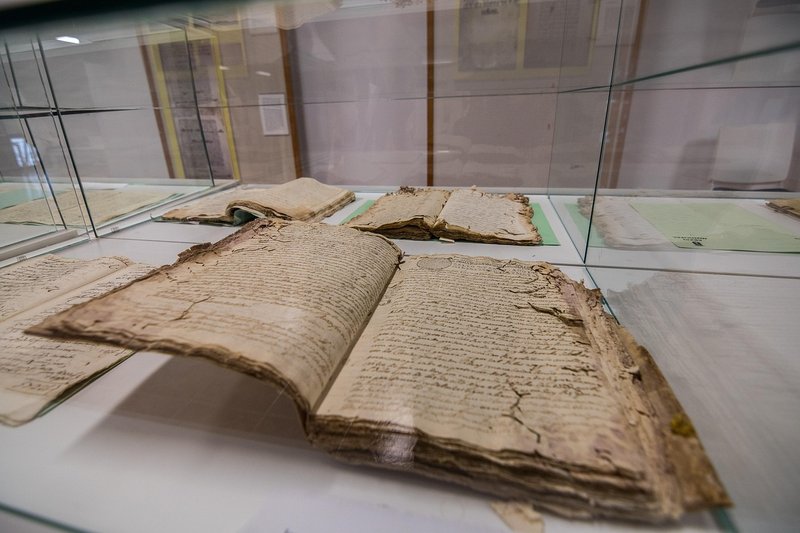
The question of which parts of an ancient text are original and which were added later is one of the oldest problems in the study of Indian literature. Texts such as the epics and the Puranas were passed down for centuries, first orally and then in handwritten manuscripts copied in many regions, so versions differ. Scholars compare manuscripts to trace those differences. Ramdev's campaign brings this question to a large public platform, but frames it as a religious correction drive rather than an academic exercise.
That distinction matters for readers. According to Ramdev, opponents of Sanatan Dharma inserted passages over roughly a thousand years in order to demean it. These are his claims. The reports on his announcement do not list the specific verses he considers interpolated, the manuscripts or editions he relies on, or the evidence by which the committee would decide what is original. Nor do they record any response from independent scholars of Sanskrit or textual history. Until the committee publishes its method and findings, the claims cannot be tested.
The setting gives the announcement weight. The All India Oriental Conference is a long-running national gathering of scholars of Sanskrit, Indology and classical languages, and this edition is being hosted by a university run by Ramdev's Patanjali group. At the opening, Governor Bisen said India's knowledge tradition aims to shape social character, discernment and goodwill, and urged young researchers to study original texts in their historical context. Balkrishna spoke of what he called ideological pollution aimed at the scriptures.
Ramdev's statement that legal action would be pursued against those who question Sanatan Dharma was not explained further in the reports: they do not say what kind of action is planned or against whom. The conference programme also includes a Pandit Parishad and a shastrarth, a traditional form of formal debate on texts.
| Item | Detail |
|---|---|
| Event | 52nd All India Oriental Conference |
| Venue and dates | Patanjali University, Haridwar, October 29 to 31, 2026 |
| Inaugurated by | Uttarakhand Governor Dhal Singh Bisen |
| Campaign announced | Sanatan Shastra Shuddhi Abhiyan, by Ramdev |
| Proposed body | Committee of scholars, religious authorities, gurus and saints |
Impact
Short-term: The conference's sessions on Sanatan scriptures on October 30 and 31 are likely to focus on the campaign, and the composition of the proposed committee will be watched closely.
Long-term: If the committee publishes a list of passages it considers later additions, it could influence how some readers, teachers and publishers present these texts, and could prompt responses from academic scholars working on critical editions.
Who is affected: Students and teachers of Sanskrit and Indian philosophy, religious teachers and their followers, publishers of scriptures and translations, and scholars of textual history.
Key Takeaway
Ramdev has announced a committee to examine what he calls interpolations in Hindu scriptures, but has not yet set out which passages or what evidence it will use.
Questions and Answers
What is the Sanatan Shastra Shuddhi Abhiyan?
It is a campaign announced by Ramdev at the 52nd All India Oriental Conference in Haridwar in October 2026 to examine passages in Hindu scriptures that he says were added later or misinterpreted, through a committee of scholars, religious leaders, gurus and saints.
What does Ramdev say is wrong in the scriptures?
He says some passages were inserted over about a thousand years to demean Sanatan Dharma, and he objected to portrayals of Ram and Sita consuming alcohol and meat and to some depictions of Krishna's Rasleela and Lord Brahma. These are his claims; no specific verses or evidence were reported.
Where and when is the All India Oriental Conference being held?
The 52nd edition is being held at Patanjali University, Haridwar, from October 29 to 31, 2026. It was inaugurated by Uttarakhand Governor Dhal Singh Bisen.
What is an interpolation in an ancient text?
An interpolation is a passage added to a text after it was first composed, often during copying. Scholars identify them by comparing old manuscripts and versions of the same text.
Disclaimer: Prepared by the Peepals newsroom from publicly available sources with AI assistance. Information is accurate to the best of our knowledge at the time of publication and may change. Images may be representative. Not professional advice. Report an error via our contact page.
By Devansh Tiwari, Knowledge Systems WriterCovers Knowledge Systems and more for Peepals Sanskriti. All stories by Devansh Tiwari
Get the day's stories in your inbox
Peepals Weekly: the week decoded, free. One email a week, unsubscribe in one click.
Devansh Tiwari is a pen name of the Peepals Global Editorial Team, which researches, fact-checks and publishes every story. The portrait is an illustration.