
Kalabhairav Jayanti 2026 on December 1: why Kartik and Margashirsha agree
 By Devansh TiwariKnowledge Systems Writer, Peepals Sanskriti
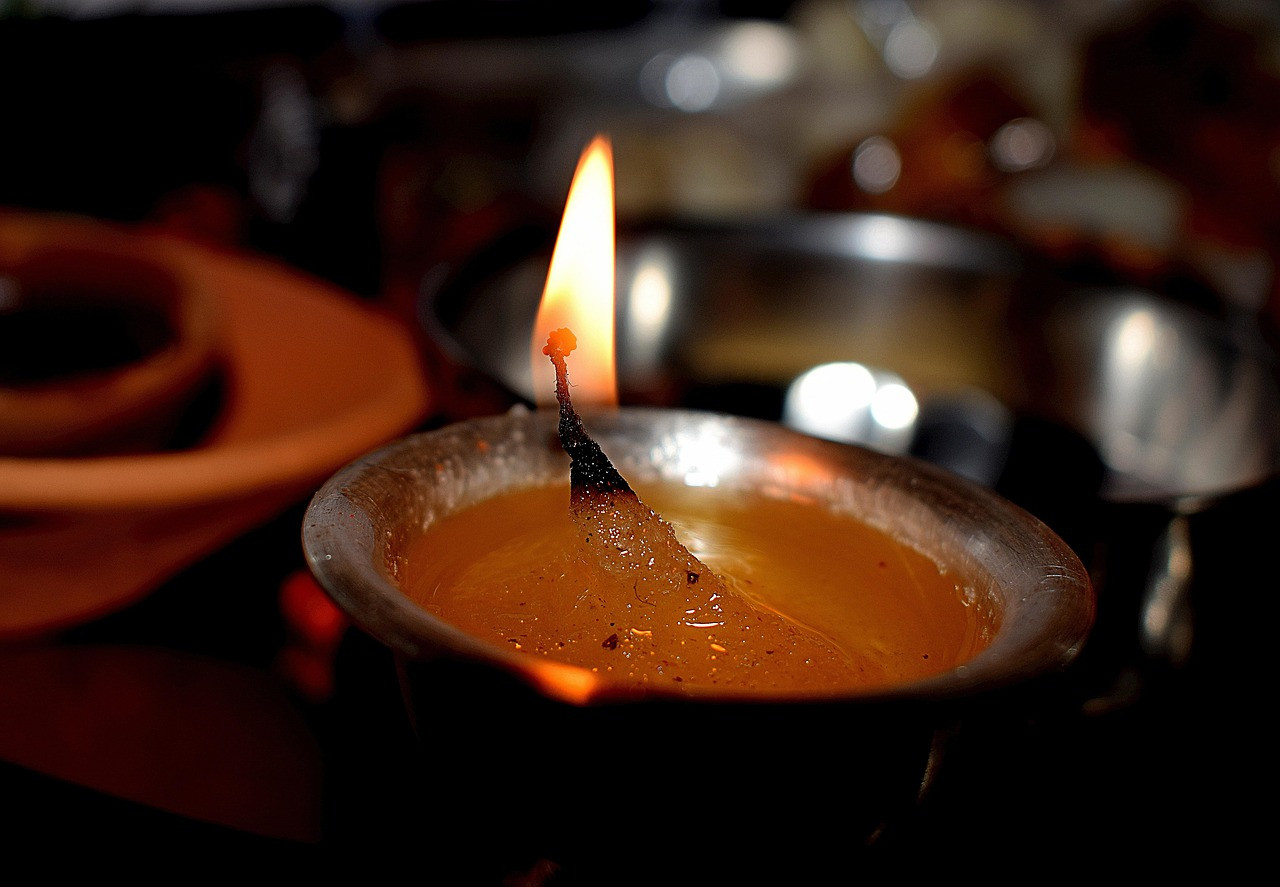
Representative image: balouriarajesh / Pixabay
Most panchangs place Kalabhairav Jayanti 2026 on Tuesday, December 1, with Krishna Ashtami running through that day; north and south Indian calendars name the month differently.
What Happened
Kalabhairav Jayanti, the day tradition marks as the appearance of Kala Bhairava, a fierce form of Shiva, falls on Tuesday, December 1, 2026, according to most panchangs (Hindu almanacs) checked on October 30, 2026. The festival is observed on the Ashtami, or eighth lunar day, of the dark fortnight. Prokerala's panchang, calculated for Ujjain, gives the Ashtami tithi as running from about 12:12 am to 11:14 pm on December 1, and another listing gives almost the same window. A few websites list other dates in November, but these do not match the majority of calendars.
Key Facts
- Date: Tuesday, December 1, 2026, according to most panchang sources, including Prokerala and Hindutone.
- Ashtami tithi: about 12:11-12:12 am to 11:13-11:14 pm on December 1, according to two listings; Prokerala's figures are for Ujjain.
- North India, which follows the purnimanta calendar (months ending on the full moon), places the festival in Margashirsha.
- South India, which follows the amanta calendar (months ending on the new moon), places the same lunar day in Kartik.
- Both systems therefore land on the same date, December 1, even though they name the month differently.
- Two websites list November 13 and November 27; these do not match the other calendars and appear to refer to different observances.
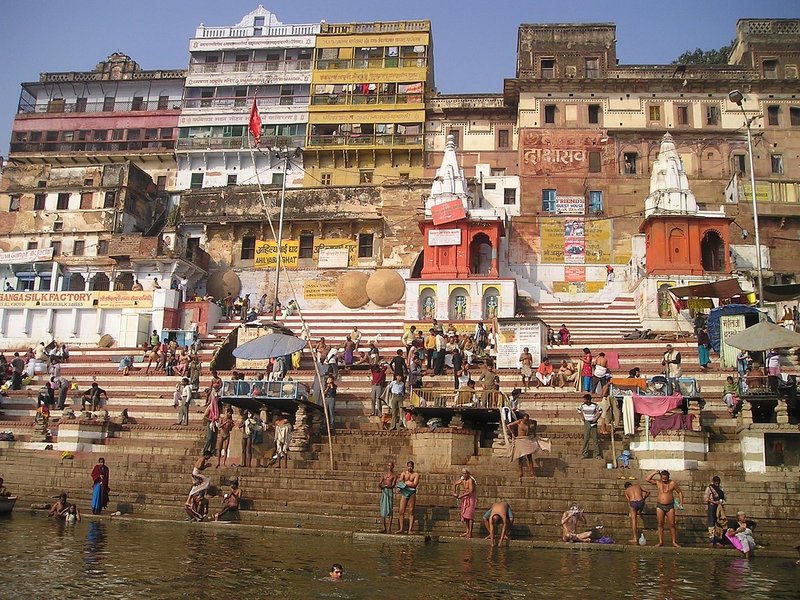
- Tradition regards Kala Bhairava as the Kotwal, or guardian, of Kashi (Varanasi).
Why It Matters
Kalabhairav Jayanti is a good example of a problem that confuses many readers every year: why the same festival is said to fall in Margashirsha by some and in Kartik by others. The answer lies in how Indian calendars count months. In the purnimanta system, common in north India, a month ends on the full moon, so the dark fortnight after Kartik Purnima already belongs to the next month, Margashirsha. In the amanta system, common in the south and west, a month ends on the new moon, so that same dark fortnight is still part of Kartik. The lunar day does not change; only its label does.
This matters in 2026 because Kartik Purnima falls on November 24. The dark fortnight that follows begins the next day, and its eighth day, Krishna Ashtami, falls on December 1. That is why the purnimanta calendar calls it Margashirsha Krishna Ashtami and the amanta calendar calls it Kartik Krishna Ashtami. Both are describing the same day.
According to tradition, Kala Bhairava is the form of Shiva associated with time and with the protection of sacred places. Festival accounts tell that after Bhairava was freed from the sin of killing a Brahmin in Kashi, he was given the duty of guarding the city, which is why he is called Kashi ka Kotwal. According to the Shiva Purana, as cited in festival accounts, Bhairava appeared on the Ashtami of the dark fortnight of Margashirsha. Devotees mark the day with fasting, puja and the chanting of Bhairava mantras, and Kala Bhairava temples, including the one in Varanasi, see large crowds.
The monthly Kalashtami, the Ashtami of every dark fortnight, is also linked to Bhairava, and this may explain why some websites give other dates in November: those may be monthly Kalashtami days rather than the annual Jayanti.
| Calendar | Month name for the day | Date in 2026 |
|---|---|---|
| Purnimanta (north India) | Margashirsha Krishna Ashtami | Tuesday, December 1 |
| Amanta (south and west India) | Kartik Krishna Ashtami | Tuesday, December 1 |
Impact
Short-term: Devotees and temples planning the festival can mark Tuesday, December 1, and check a local panchang for the exact tithi window in their city.
Long-term: Knowing how purnimanta and amanta months are counted helps readers make sense of other festivals that appear to fall in different months in north and south Indian calendars.
Who is affected: Devotees of Shiva and Kala Bhairava, temples in Varanasi, Ujjain and elsewhere, families who follow the panchang, and readers who find conflicting dates online.
Key Takeaway
Most panchangs place Kalabhairav Jayanti 2026 on Tuesday, December 1; north Indian calendars call it Margashirsha Krishna Ashtami and south Indian calendars Kartik Krishna Ashtami, but both mean the same day.
Questions and Answers
When is Kalabhairav Jayanti in 2026?
Most panchangs place Kalabhairav Jayanti on Tuesday, December 1, 2026, with the Ashtami tithi running from just after midnight to about 11:14 pm that day, according to a panchang calculated for Ujjain.
Is Kalabhairav Jayanti in Kartik or Margashirsha?
Both, depending on the calendar. North Indian purnimanta calendars call the month Margashirsha, and south Indian amanta calendars call it Kartik. The lunar day, Krishna Ashtami, is the same, so both observe it on December 1.
Why do some websites give November dates for Kalabhairav Jayanti 2026?
A few sites list November 13 or November 27, which do not match most panchangs. These may refer to monthly Kalashtami observances rather than the annual Jayanti.
Why is Kala Bhairava called the Kotwal of Kashi?
According to tradition, after Bhairava was freed from the sin of killing a Brahmin in Kashi, he was given the duty of guarding the city forever, which is why devotees call him Kashi ka Kotwal, the city's guardian.
Disclaimer: Prepared by the Peepals newsroom from publicly available sources with AI assistance. Information is accurate to the best of our knowledge at the time of publication and may change. Images may be representative. Not professional advice. Report an error via our contact page.
By Devansh Tiwari, Knowledge Systems WriterCovers Knowledge Systems and more for Peepals Sanskriti. All stories by Devansh Tiwari
Test Ayurvedic medicines with modern research, nanotech: Hegde in Mysuru
Ayurveda Day 2026: India's Los Angeles consulate puts prevention first
Get the day's stories in your inbox
Peepals Weekly: the week decoded, free. One email a week, unsubscribe in one click.
Devansh Tiwari is a pen name of the Peepals Global Editorial Team, which researches, fact-checks and publishes every story. The portrait is an illustration.