
Chola-era Nataraja and Sivakami bronzes unearthed in Nagapattinam dig
 By Devansh TiwariKnowledge Systems Writer, Peepals Sanskriti
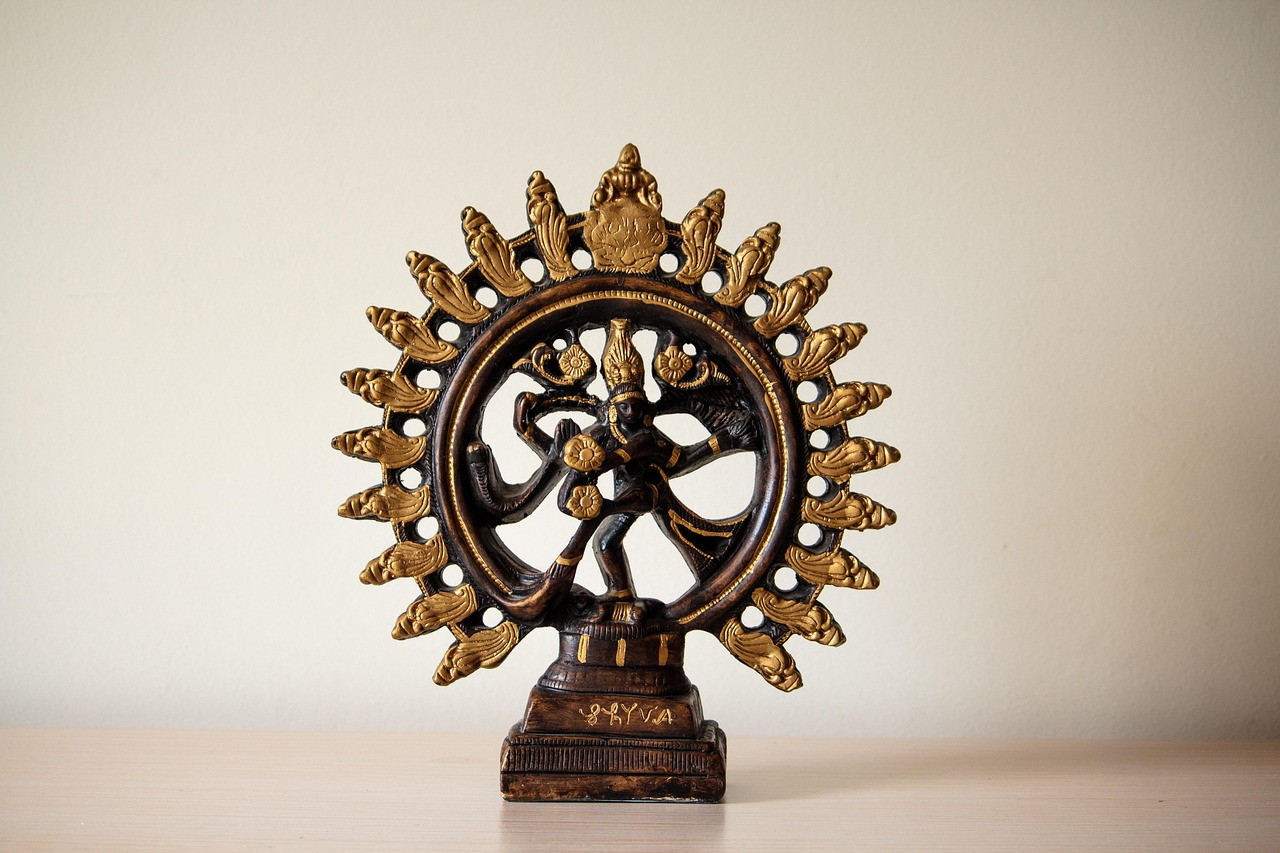
Representative image: rodrigomullercwb / Pixabay
Tamil Nadu's archaeology department unearthed 12th-century Nataraja and Sivakami bronzes with their pedestals at Nagapattinam on 30 October 2026.
What Happened
Tamil Nadu's State Department of Archaeology has recovered two bronze idols, of Nataraja and of the goddess Sivakami, during an excavation at Nagapattinam on the Bay of Bengal coast. The idols were unearthed together with their pedestals on 30 October 2026, and state minister A. Rajmohan announced the find on X. Experts have provisionally dated both to the 12th century AD, the late Chola period, and officials said it is the first time the state department has found bronze idols in one of its own excavations.
Key Facts
- Place: Nagapattinam, Tamil Nadu, at a site being dug by the Tamil Nadu State Department of Archaeology.
- Excavation: the current season of digging began on 3 August 2026; the idols were unearthed on 30 October 2026.
- Nataraja: about 110 cm high and 100 cm wide, a four-armed figure in the Ananda Tandava, the "dance of bliss" posture.
- Sivakami: about 82 cm high and 23 cm wide, shown standing in the tribhanga (three-bend) posture.
- Depth: the two idols were found side by side with their pedestals at a depth of about one metre, according to reports.
- Dating: about the 12th century AD, based on the figures' form, iconography, ornament and pedestal style.
- Next steps: the bronzes have been taken to Chennai for chemical treatment, and metallurgical analysis is planned.
Why It Matters
Chola bronzes are among the best-known works of Indian art, and the dancing Nataraja is one of their most famous subjects. Officials said this is the first time the state archaeology department has recovered bronze idols in its own excavations. That matters because a bronze recovered in a controlled, scientific dig comes with its context. Archaeologists can record the soil layers around it, the objects found near it and the way it was placed. A museum piece or a chance find usually lacks that record, so the context of the Nagapattinam pair can help answer questions such as when the idols went into the ground and why.
Reports have said the idols may have been buried for safekeeping, possibly during a period of invasion. At this stage that is a hypothesis, not a finding. The excavation record and the laboratory work in Chennai are what will test it.
The dating also needs care. The 12th-century date is a stylistic one: specialists compared the posture, the ornamental details and the shape of the pedestals with known Chola work. Metallurgical analysis, which studies the make-up of the metal alloy, can add a second line of evidence. Until those results are reported, the date remains provisional.
Nagapattinam adds to the interest. Reports note that it was a major maritime port of the Chola kingdom on the Bay of Bengal coast. A Hindu bronze pair from a recorded excavation gives scholars a new kind of evidence about the town's religious life in the Chola period.
In the iconography described in the reports, Nataraja, a form of Shiva as the lord of dance, is shown with four arms in the Ananda Tandava, and Sivakami, a form of Parvati, stands in the tribhanga pose, with the body bent in three places. According to Shaiva tradition, the Ananda Tandava is the dance of bliss.
Peepals calculation: The Nataraja is about 1.34 times as tall as the Sivakami (110 cm against 82 cm, 110 / 82 = 1.34), and its width is more than four times hers (100 cm against 23 cm, 100 / 23 = 4.3), which reflects the wide spread of the dancing figure's arms and leg compared with a standing goddess. The idols came to light 88 days into the season (3 August to 30 October: 28 + 30 + 30 = 88 days). Our calculation from the reported figures.
| Idol | Height | Width | Posture |
|---|---|---|---|
| Nataraja | 110 cm | 100 cm | Ananda Tandava (dance) |
| Sivakami | 82 cm | 23 cm | Tribhanga (standing) |
Impact
Short-term: The two bronzes are undergoing chemical treatment in Chennai to stabilise them after centuries underground. Work at the Nagapattinam site continues, and the find is likely to draw attention to the state's excavation programme.
Long-term: Metallurgical results and the site record could give one of the few securely provenanced reference points for late Chola bronze casting. Such reference points can help experts compare and date other bronzes.
Who is affected: Archaeologists and art historians who study Chola bronzes; the Tamil Nadu State Department of Archaeology; students of Indian art and the Shaiva tradition; and the people of Nagapattinam, whose town's maritime history is the setting for the find.
What to watch next: The results of the metallurgical analysis planned after chemical treatment in Chennai.
Key Takeaway
Two 12th-century Chola-style bronzes of Nataraja and Sivakami, found with their pedestals at Nagapattinam on 30 October 2026, are the first bronze idols the Tamil Nadu State Department of Archaeology has recovered in its own excavations.
Questions and Answers
What was found at Nagapattinam?
Two bronze idols, of Nataraja (Shiva as lord of dance) and the goddess Sivakami, were unearthed with their pedestals on 30 October 2026 during an excavation by the Tamil Nadu State Department of Archaeology.
How old are the Nagapattinam bronzes?
Experts have provisionally dated them to about the 12th century AD, the late Chola period, from their style, iconography, ornament and pedestals. Metallurgical tests are planned and may refine the date.
Why does finding them in an excavation matter?
Most Chola bronzes known today have no record of where they were originally kept. Idols recovered in a scientific dig come with their context, such as soil layers and nearby objects, which helps scholars date them and understand why they were buried.
How big are the idols?
The Nataraja is about 110 cm high and 100 cm wide, and the Sivakami is about 82 cm high and 23 cm wide.
Disclaimer: Prepared by the Peepals newsroom from publicly available sources with AI assistance. Information is accurate to the best of our knowledge at the time of publication and may change. Images may be representative. Not professional advice. Report an error via our contact page.
By Devansh Tiwari, Knowledge Systems WriterCovers Knowledge Systems and more for Peepals Sanskriti. All stories by Devansh Tiwari
Day of the Dead parade, born from a Bond film, turns 10
Maharashtra FDA suspends 19 food licences, seizes Patanjali ghee stock
Get the day's stories in your inbox
Peepals Weekly: the week decoded, free. One email a week, unsubscribe in one click.
Devansh Tiwari is a pen name of the Peepals Global Editorial Team, which researches, fact-checks and publishes every story. The portrait is an illustration.