
Karnataka High Court quashes 2018 state takeover of Anjanadri Hanuman temple

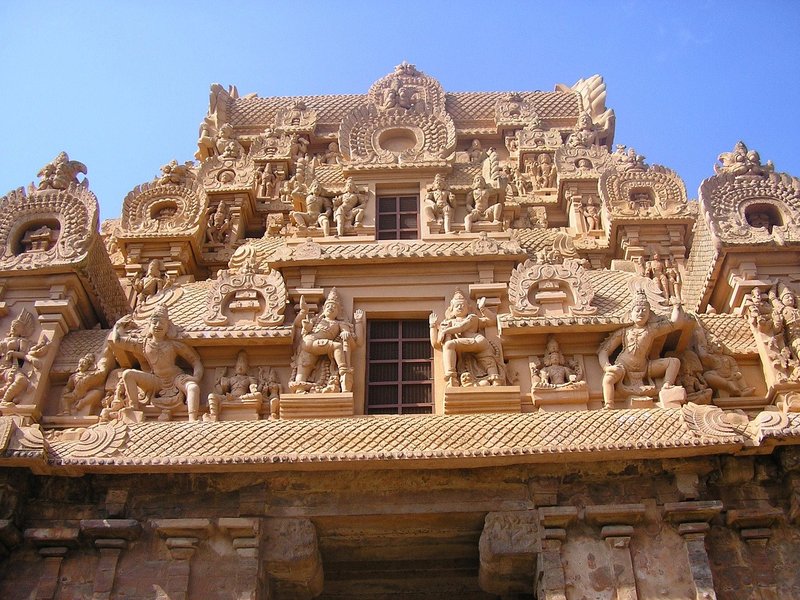
Representative image: cegoh / Pixabay
The Karnataka High Court has set aside the 2018 orders that put the Anjanadri temple under state control, and upheld priest Vidyadasa Baba's right to perform puja.
What Happened
The Karnataka High Court has set aside the state government's 2018 orders that brought the Anjanadri temple in Koppal district under state control, in a ruling reported on October 10, 2026. A bench of Justice M. Nagaprasanna cancelled the notification of September 24, 2018, which declared the hilltop shrine a notified religious institution, and the order of December 15, 2018, which appointed an administrator and an executive officer to run it. The court found that the notifications had been issued without giving the affected parties a fair chance to present their case. It also made clear that the temple's priest, Vidyadasa Baba, may continue to perform puja and the duties of an archaka, in line with earlier directions of the Supreme Court and the High Court.
Key Facts
- The ruling was delivered by a High Court bench headed by Justice M. Nagaprasanna.
- It quashed the September 24, 2018 notification that declared the Anjanadri temple a notified religious institution.
- It also quashed the December 15, 2018 order appointing an administrator and an executive officer.
- The court held that the state had not followed the required procedure of hearing the parties affected.
- The judgment does not finally decide that the state has no authority over the shrine; fresh action is possible if the law's procedures are followed.
- Priest Vidyadasa Baba's right to perform puja and archaka duties was confirmed, following earlier Supreme Court and High Court directions.
- The district administration's position is that the permission concerns religious duties and does not by itself remove the temple from the Muzrai department's jurisdiction, according to reports.
Why It Matters
Anjanadri hill is revered by devotees as the birthplace of Lord Hanuman and draws pilgrims to the shrine at its top. That makes the question of who runs the temple far more than an administrative detail. Control decides who manages offerings, who appoints staff, who conducts rituals and who plans the facilities that pilgrims use.
The heart of the ruling is procedural fairness. The court did not say the government can never manage the temple. It said the government had to give the people affected a proper hearing before taking it over, and that this was not done in 2018. That principle of a fair hearing before a takeover matters to every priest and trustee whose temple a government seeks to manage.
The case also sits beside the state's ambitious plans for the hill. In recent years the Karnataka government approved a two-phase development plan worth Rs 200 crore, with dormitories, stairways for elderly devotees and other amenities, and earlier reports noted that the project was slowed by a shortage of funds and by clearances linked to the nearby Hampi World Heritage Area. Who holds administrative charge of the temple will shape how such plans move ahead.
The Supreme Court had earlier directed the Karnataka government not to remove Vidyadasa Baba from the temple, and the High Court's judgment builds on that protection for the priest's religious role.
Impact
Short-term: The 2018 state notification and the appointment of an administrator and executive officer no longer stand, and the priest continues his puja duties. The state may still begin fresh proceedings.
Long-term: The ruling strengthens the rule that governments must hear temple priests, trustees and others affected before taking over religious institutions, which could guide similar disputes in other states.
Who is affected: Devotees and pilgrims who visit Anjanadri, the temple's priest, the Karnataka Muzrai department and the district administration of Koppal.
Key Takeaway
The Karnataka High Court has cancelled the 2018 state takeover of the Anjanadri temple because affected parties were not properly heard, while leaving the door open for the state to act again lawfully.
Questions and Answers
What did the Karnataka High Court decide about the Anjanadri temple?
It quashed the September 24, 2018 notification that declared the temple a notified religious institution and the December 15, 2018 order appointing an administrator and executive officer.
Why were the orders cancelled?
The court found they were issued without giving the affected parties an adequate opportunity to present their case, which the law requires.
Can the government take over the temple again?
Yes, it can begin fresh proceedings, but only by following the procedures the law sets out, including a proper hearing.
What happens to the priest, Vidyadasa Baba?
The court confirmed that he can continue performing puja and archaka duties, in line with earlier directions from the Supreme Court and the High Court.
Disclaimer: Prepared by the Peepals newsroom from publicly available sources with AI assistance. Information is accurate to the best of our knowledge at the time of publication and may change. Images may be representative. Not professional advice. Report an error via our contact page.
Sourced and fact-checked by the Peepals Global Editorial Team
Reported, fact-checked and published by the Peepals Global Editorial Team.