
Kulasai Dasara: Kulasekarapattinam readies 4,000 police for Soorasamharam on October 20
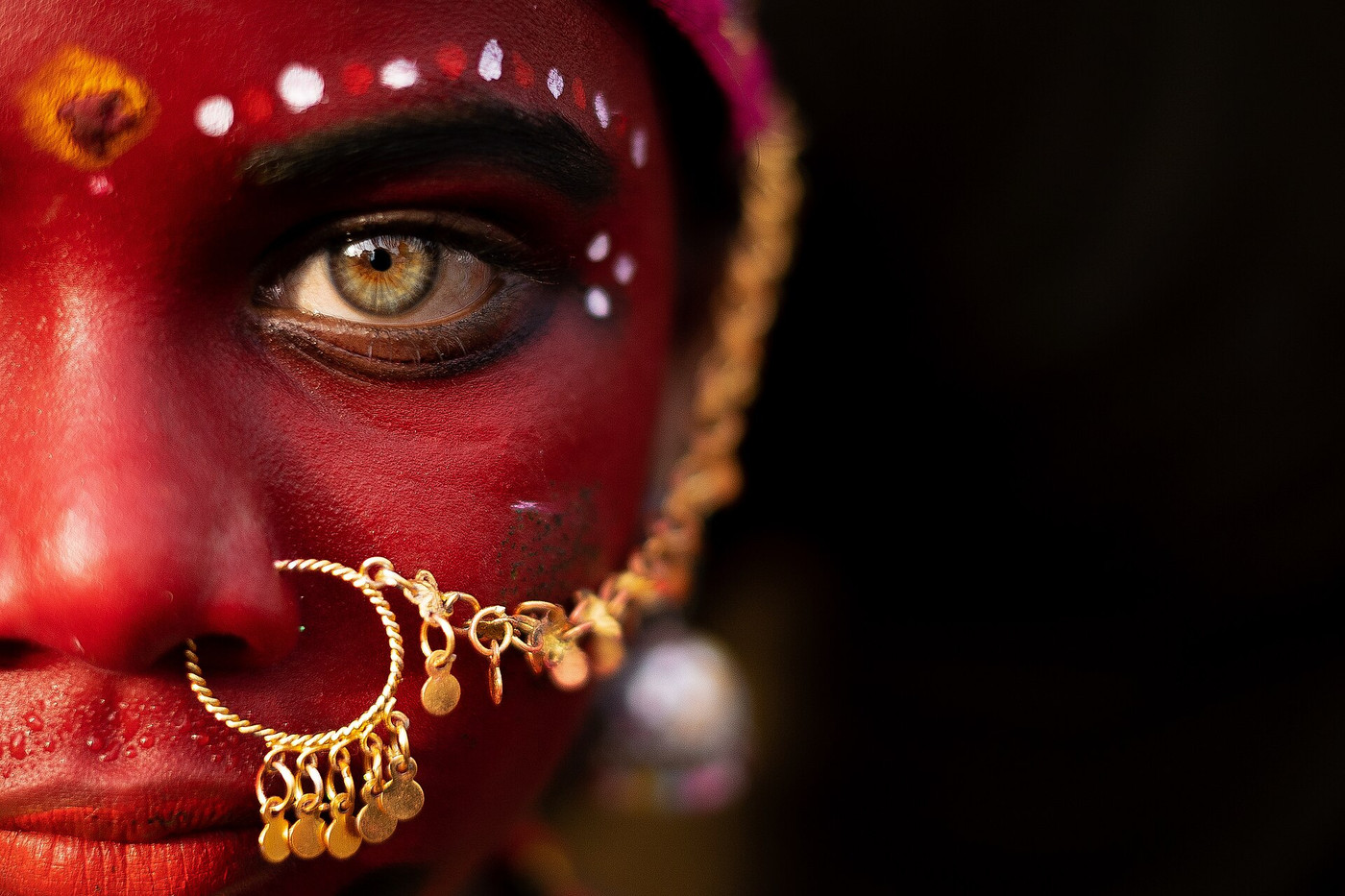
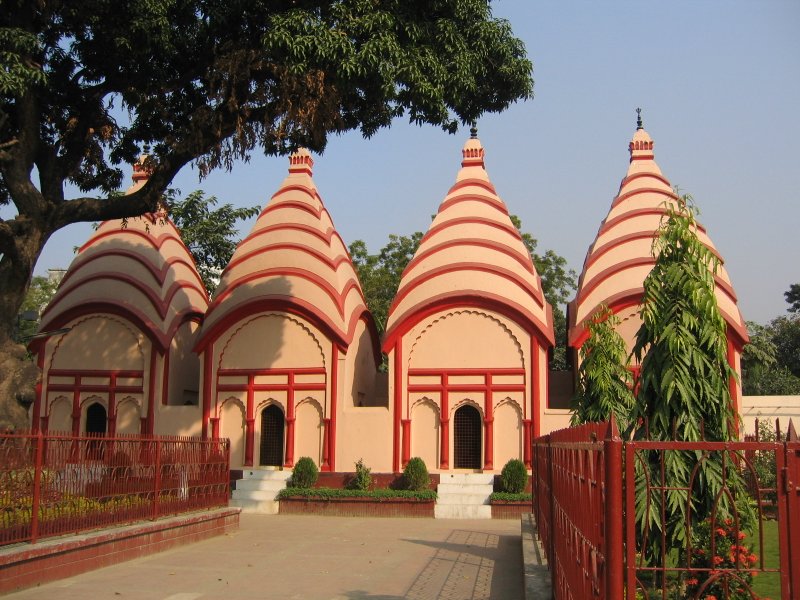
File photo: Grapherme (CC BY-SA 4.0), via Wikimedia Commons
Kulasekarapattinam's Mutharamman temple holds Soorasamharam, the climax of Kulasai Dasara, on October 20, 2026, with over 4,000 police and extra buses deployed.
What Happened
Kulasai Dasara, the festival of the Mutharamman temple at Kulasekarapattinam in Tamil Nadu's Thoothukudi district, reaches its climax with the Soorasamharam on the night of Tuesday, October 20, 2026, when the goddess's victory over the demon Mahishasura is enacted on the seashore. According to a report on October 19, more than 4,000 police personnel have been deployed to manage crowds, traffic and transport, and the state transport corporation is running extra buses to the coastal town on October 19, 20 and 21.
Key Facts
- The festival began on October 11, 2026, with the flag hoisting at the Mutharamman temple, and the Soorasamharam falls on Vijayadashami, October 20.
- More than 4,000 police personnel are on duty, according to the October 19 report.
- Surveillance includes 90 permanent CCTV cameras and 175 more installed temporarily for the festival.
- Three joint commissioners are overseeing arrangements at the temple, the beach and the parking areas.
- Two road stretches are being laid to improve access to the temple and the seafront and to give crowds exit routes.
- The Tirunelveli division of the Tamil Nadu State Transport Corporation said extra buses would run on October 19, 20 and 21 from towns including Tirunelveli, Tiruchendur, Thoothukudi, Kovilpatti, Kanniyakumari and Nagercoil, with numbers depending on demand.
Why It Matters
Most of India knows Dasara through Mysuru's procession, Kolkata's Durga Puja or north India's Ramlila and the burning of Ravan effigies. Kulasekarapattinam's festival is different in form; the temple describes it as the best-known Dasara in India after Mysuru's. Its centre is not a pandal or an effigy but a vow taken by ordinary devotees.
According to tradition, devotees who have made a promise to the goddess Mutharamman put on a disguise, or vesham, for the festival days. They dress as Kali, Shiva, kings, hunters, monkeys or beggars and go from village to village collecting alms in the goddess's name. Some vow to do this for three, five or ten years; others for life. In the belief of local households, the goddess herself may come to the door in disguise, so families welcome the costumed visitors and give rice or money. The alms are offered at the temple at the end of the festival. Those who take part describe the practice as a way of setting aside pride and standing equal with others, since a wealthy devotee may spend days asking for alms like anyone else.
The final night is the Soorasamharam. In the enactment, the goddess slays Mahishasura on the beach at midnight on Vijayadashami. At dawn, devotees remove the garlands they wore through the vow and end it at the shore, and many leave their costumes to the sea as an offering. The meaning, as the temple's tradition holds it, is the defeat of ego and evil and a fresh start.
The scale is also why the police arrangements matter. Kulasekarapattinam is a small coastal town with narrow roads, and reports note that limited infrastructure remains a concern when very large crowds gather in one night. This year's festival comes days after a deadly crowd crush at a Durga Puja pandal in Kolkata, which has put crowd safety at religious gatherings in sharp focus across the country.
| Arrangement | Detail |
|---|---|
| Police | More than 4,000 personnel |
| CCTV | 90 permanent and 175 temporary cameras |
| Supervision | Three joint commissioners for temple, beach and parking |
| Roads | Two new stretches for access and exit |
| Buses | Extra services on October 19, 20 and 21 |
Impact
Short-term: Traffic in and around Kulasekarapattinam, Tiruchendur and the coastal roads of Thoothukudi district is expected to be heavy through the night of October 20 and the morning of October 21, as devotees return after the dawn rites. Visitors should use the special buses and follow police directions on parking and exits.
Long-term: The new road stretches and the use of a large camera network give the district a template for managing the festival in future years, as it continues to draw growing numbers from across Tamil Nadu and beyond.
Who is affected: Devotees and costumed vow-takers, residents and traders of Kulasekarapattinam and nearby villages, transport workers, and police and district officials managing the event.
Key Takeaway
Kulasai Dasara's beach Soorasamharam on October 20 caps a festival built on devotees' costumed vows, and this year it is being held with more than 4,000 police and extra buses.
Questions and Answers
When is the Kulasai Dasara Soorasamharam in 2026?
On the night of Tuesday, October 20, 2026, which is Vijayadashami. The festival at the Mutharamman temple in Kulasekarapattinam began on October 11, and devotees end their vows at the beach at dawn the next morning.
Why do devotees wear costumes at Kulasekarapattinam?
According to tradition, devotees who have made a vow to the goddess Mutharamman dress as deities, kings, animals or beggars and collect alms from village to village, which they offer to the temple. Local belief holds that the goddess may visit homes in disguise, so families welcome them.
What security arrangements are in place this year?
More than 4,000 police personnel, 90 permanent and 175 temporary CCTV cameras, and three joint commissioners overseeing the temple, beach and parking areas, according to a report on October 19.
Are there special buses to Kulasekarapattinam for Dasara?
Yes. The Tirunelveli division of the state transport corporation said extra buses would run on October 19, 20 and 21 from towns such as Tirunelveli, Tiruchendur, Thoothukudi, Kovilpatti, Kanniyakumari and Nagercoil, depending on demand.
Disclaimer: Prepared by the Peepals newsroom from publicly available sources with AI assistance. Information is accurate to the best of our knowledge at the time of publication and may change. Images may be representative. Not professional advice. Report an error via our contact page.
Sourced and fact-checked by the Peepals Global Editorial Team
FSSAI notices Zepto over expired besan, supplement firms over health claims
India gives Jakarta's Nalanda Institute replica of 9th-century Nalanda copper plate
Reported, fact-checked and published by the Peepals Global Editorial Team.