
India gives Jakarta's Nalanda Institute replica of 9th-century Nalanda copper plate
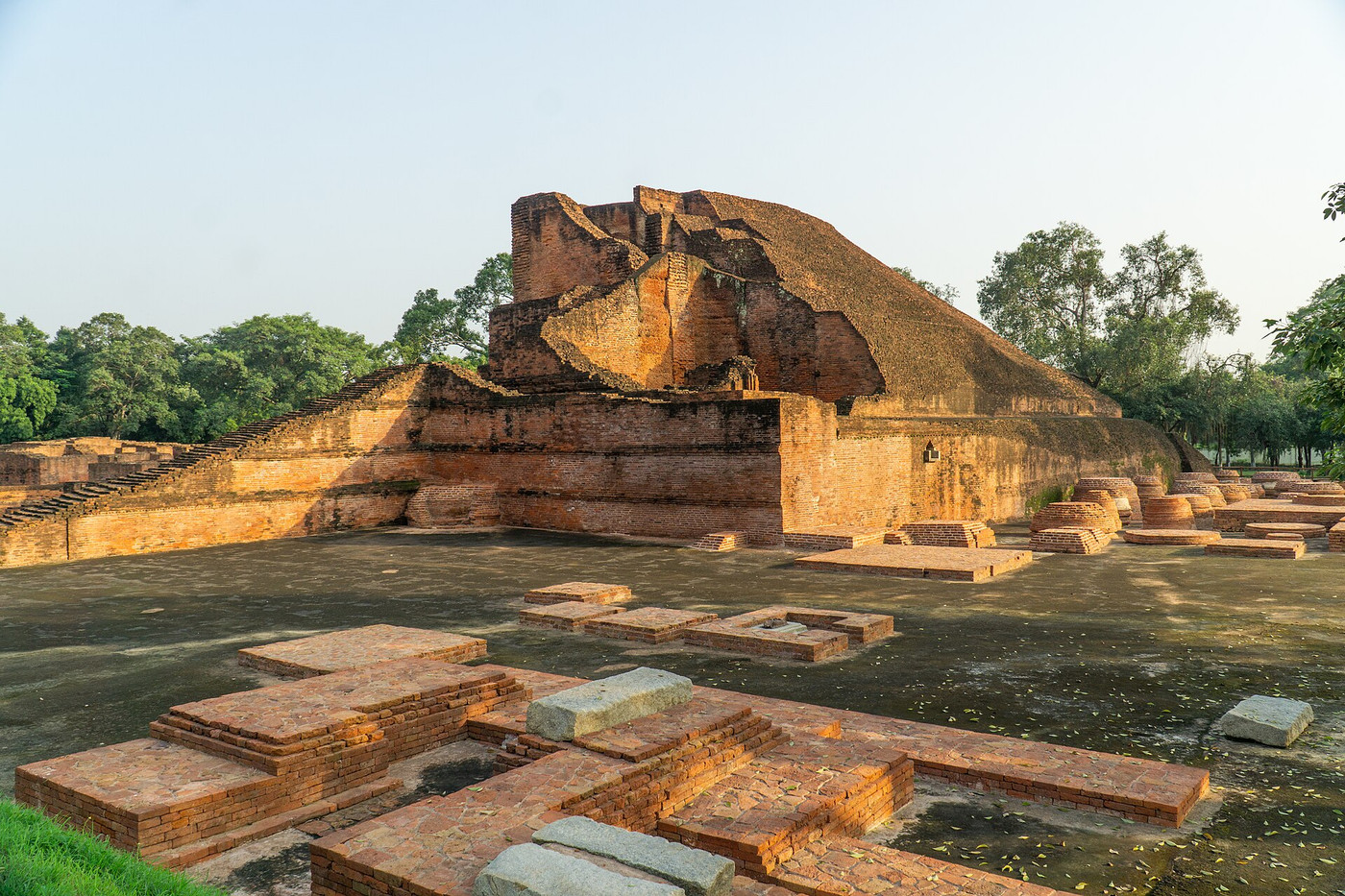
File photo: Sumitsurai (CC BY-SA 4.0), via Wikimedia Commons
India's ambassador handed a replica of the 9th-century Nalanda copper plate, a Sanskrit record of Nalanda's links with Srivijaya, to Jakarta's Nalanda Institute in mid-October 2026.
What Happened
India's Ambassador to Indonesia, Sandeep Chakravorty, handed over a replica of the 9th-century Nalanda copper plate to the Nalanda Institute in Jakarta in mid-October 2026, according to a report on October 15 and a press release listed by the Embassy of India in Jakarta. The original copper plate is a Sanskrit inscription from about 860 CE that records how a king of Suvarnadvipa, the Srivijaya realm in present-day Indonesia, sought and received land to support a monastery at Nalanda, the great centre of learning in what is now Bihar. The embassy described the inscription as proof of ancient maritime links, cultural ties and shared heritage between India and Srivijaya.
Key Facts
- The replica was presented by Ambassador Sandeep Chakravorty to the Nalanda Institute in Jakarta; the embassy's release is dated October 15-16, 2026.
- The original inscription is dated to about 860 CE and is written in Sanskrit.
- It records a grant by the Pala king Devapaladeva, made at the request of Balaputradeva, ruler of Suvarnadvipa, linked to a Buddhist monastery at Nalanda.
- Balaputradeva is described in historical accounts as a 9th-century maharaja of Srivijaya and a member of the Sailendra dynasty.
- The original copper plate is held in the National Museum in New Delhi.
- This is a separate replica from the one India gave Indonesia's government in December 2025, which is displayed at the Muarajambi Museum in the Muarajambi heritage area.
Why It Matters
Nalanda was one of the most important centres of learning in the ancient world. For centuries its monasteries drew students and teachers from across Asia to study Buddhist philosophy and other subjects. The Nalanda copper plate is one of the clearest documents showing that this exchange was not only about individual travellers: a ruler in South-East Asia was willing to fund a monastery so that monks from his land could live and study there.
For students of Indian knowledge systems, the inscription is valuable on several levels. As a text, it is an example of Sanskrit as a shared language of learning and statecraft across a wide region. As a historical source, it shows how scholarship was supported by grants of land and income, which paid for food, lodging, manuscripts and teachers. And as a record of diplomacy, it shows two courts, more than a thousand years ago, cooperating to support education.
The choice of recipient also matters. A Nalanda Institute in Jakarta carries the name of the ancient university into a modern Indonesian setting, and placing a replica of the plate there makes this history visible to students and visitors who may never travel to Delhi. It complements the earlier replica at Muarajambi, a major archaeological site associated with Buddhist learning in Sumatra.
Today's Nalanda University in Rajgir, set up to revive the tradition, and Indonesian scholars have been rebuilding academic links, and gestures like this one are part of how India presents its historical ties with South-East Asia as a basis for present-day cooperation in education and culture.
| Item | Detail |
|---|---|
| Object | Replica of the Nalanda copper plate |
| Original date | About 860 CE |
| Language | Sanskrit |
| Grantor | Pala king Devapaladeva |
| Requested by | Balaputradeva, ruler of Suvarnadvipa (Srivijaya) |
| Original kept at | National Museum, New Delhi |
Impact
Short-term: The replica gives the Nalanda Institute in Jakarta a tangible teaching and display piece on the historical links between Indonesian Buddhism and Nalanda.
Long-term: Such cultural exchanges support academic collaboration between Indian and Indonesian institutions, and wider public interest in shared heritage across the Indian Ocean region.
Who is affected: Students and scholars of Buddhist studies, Sanskrit and South-East Asian history, Indonesian visitors to the institute, and cultural institutions in both countries.
Key Takeaway
A replica of the 9th-century Nalanda copper plate, which records a Srivijaya king's support for a monastery at Nalanda, has been placed with Jakarta's Nalanda Institute as a marker of shared India-Indonesia heritage.
Questions and Answers
What is the Nalanda copper plate?
It is a Sanskrit inscription on copper from about 860 CE recording a grant by the Pala king Devapaladeva, made at the request of Balaputradeva, ruler of Suvarnadvipa (Srivijaya), linked to a Buddhist monastery at Nalanda. The original is in the National Museum, New Delhi.
Who received the replica in October 2026?
The Nalanda Institute in Jakarta, from India's Ambassador to Indonesia, Sandeep Chakravorty, according to the Indian Embassy's release dated October 15-16, 2026.
Why is the inscription important?
It is clear evidence that rulers in South-East Asia supported study at Nalanda, showing how learning, Sanskrit and Buddhist scholarship linked India and Indonesia more than a thousand years ago.
Is this the first replica given to Indonesia?
No. India gave a separate replica to the Indonesian government in December 2025; it is displayed at the Muarajambi Museum in Sumatra.
Disclaimer: Prepared by the Peepals newsroom from publicly available sources with AI assistance. Information is accurate to the best of our knowledge at the time of publication and may change. Images may be representative. Not professional advice. Report an error via our contact page.
Sourced and fact-checked by the Peepals Global Editorial Team
Kulasai Dasara: Kulasekarapattinam readies 4,000 police for Soorasamharam on October 20
Reported, fact-checked and published by the Peepals Global Editorial Team.