
Kutch camel milk: Amul chocolate, ice cream as daily collection hits 5,500 litres
 By Devansh TiwariStaff Writer, Peepals Sanskriti
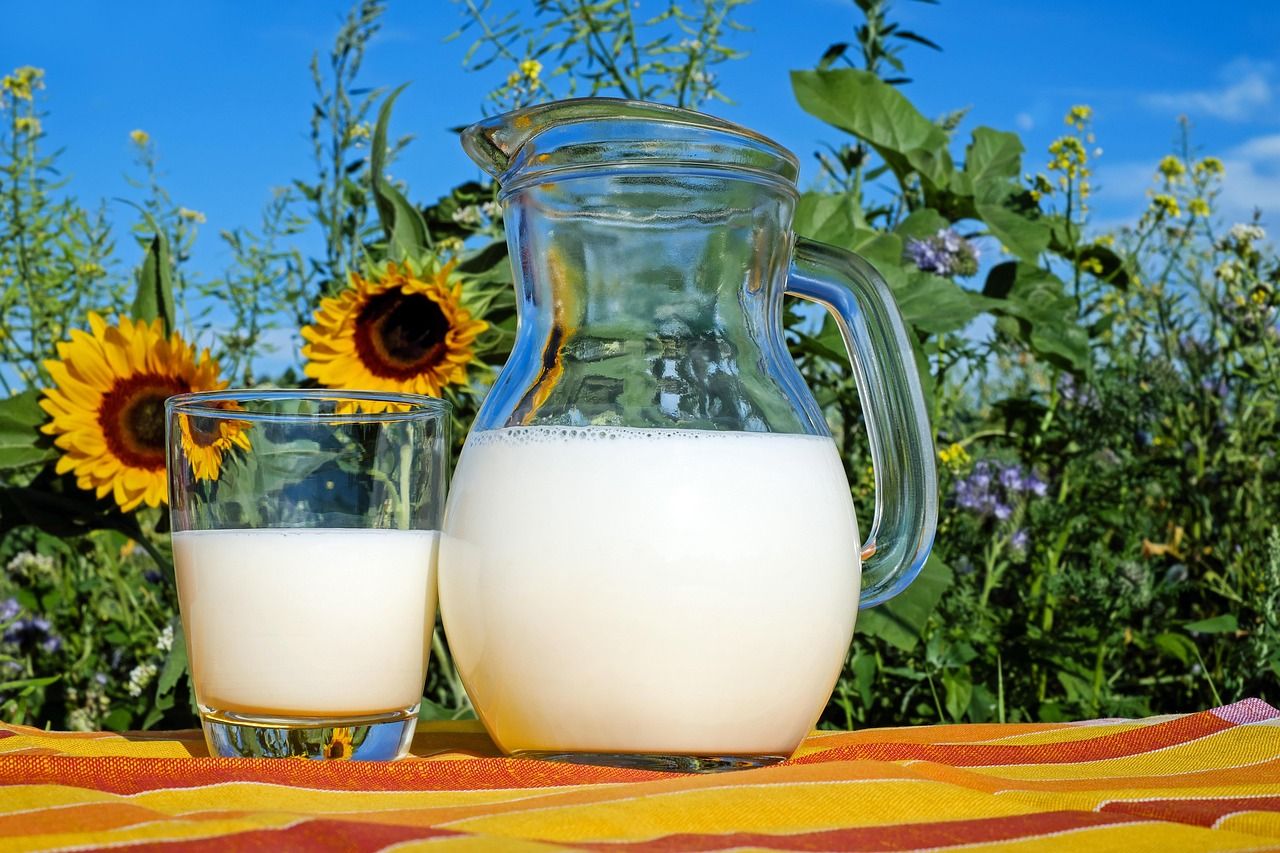
Representative image: Couleur / Pixabay
In Mann Ki Baat on 29 November 2026, PM Modi said Sarhad Dairy now collects 5,500 litres of camel milk a day for Amul chocolate, flavoured milk and ice cream.
Kutch camel milk: what happened
Prime Minister Narendra Modi used the 140th episode of his monthly radio programme Mann Ki Baat, broadcast at 11 am on Sunday, 29 November 2026, to point to camel milk from Kutch in Gujarat as a growing Indian food product. He said Amul is turning milk bought from local camel herders into chocolate, saffron-flavoured milk and Rajbhog ice cream, and that daily camel milk collection at Sarhad Dairy has climbed from 1,300 litres to 5,500 litres.
Kutch camel milk: key facts
- The camel milk segment was one part of the 140th Mann Ki Baat, which also dealt with drug abuse among young people, cyber fraud and fitness.
- Amul makes chocolate, saffron-flavoured milk and Rajbhog ice cream from camel milk supplied by herders in Kutch, the Prime Minister said.
- Daily collection at Sarhad Dairy, the cooperative dairy in Kutch, has gone from 1,300 litres to 5,500 litres, which he described as more than four times the 2017-18 level.
- The milk is now packed so that it lasts longer and is also turned into powder, so buyers far from Kutch can get it.
- He said camel milk could be an option for some people who cannot digest lactose, the natural sugar in cow and buffalo milk, and cited experts who consider it useful for people with blood sugar problems.
- Sarhad Dairy's own website lists India's first camel milk processing and bottling plant among its milestones, in January 2019.
Kutch camel milk: why it matters
Camel milk has long been part of daily food for herding families in the dry lands of Kutch and Rajasthan, but for most of India it has been an unfamiliar drink. The change the Prime Minister described is less about the milk itself than about the chain around it: a cooperative dairy that collects the milk from herders, a processing plant that can handle it safely, and branded products such as chocolate and ice cream that city buyers already understand.
Sarhad Dairy works the same way as the rest of the Amul network. Its website says its main job is to collect milk from village cooperative societies, process it and sell it under the Amul name. Adding camel milk to that system gives herders a buyer that pays for every litre, and a steady income from a herd that was once valued mainly for local use.
The health points need care. The Prime Minister said camel milk could suit some people with lactose intolerance and cited experts on its use for people with blood sugar problems. These are his remarks, not the findings of a study named in the broadcast. Anyone with diabetes, a milk allergy or lactose intolerance should treat camel milk as a food and speak to a doctor before using it in place of treatment or a prescribed diet.
The same episode also mentioned palmyra jaggery from Tamil Nadu reaching buyers in Europe and Indian chocolate exports rising by nearly 25%, which places camel milk within a wider push to sell traditional Indian foods as branded products at home and abroad.
Peepals calculation: Daily collection has risen by 4,200 litres (5,500 − 1,300), which is about 4.2 times the earlier level (5,500 ÷ 1,300 ≈ 4.23), an increase of roughly 323%. At 5,500 litres a day, Sarhad Dairy would collect about 1.65 lakh litres of camel milk in a 30-day month (5,500 × 30 = 1,65,000). Our calculation from the reported figures.
| Measure | Figure |
|---|---|
| Daily camel milk collection, earlier | 1,300 litres |
| Daily camel milk collection, now | 5,500 litres |
| Increase | 4,200 litres a day, about 4.2 times |
| Products named | Chocolate, saffron-flavoured milk, Rajbhog ice cream |
Kutch camel milk: impact
Short-term: The national mention is likely to raise interest in camel milk products among buyers who had not heard of them, and puts a spotlight on the herders and cooperatives of Kutch who supply them.
Long-term: Longer shelf life and powder form make it possible to sell camel milk well beyond Gujarat. If demand keeps growing, steady cooperative buying could help keep camel herding viable as a livelihood in Kutch.
Who is affected: Camel herding families in Kutch, the village societies and Sarhad Dairy that collect their milk, Amul as the brand that sells the products, and consumers looking for alternatives to cow and buffalo milk.
Kutch camel milk: key takeaway
Camel milk from Kutch is moving from a local herders' food to packaged products sold under the Amul name, and buyers with health conditions should check with a doctor before switching to it.
Kutch camel milk: questions and answers
What did PM Modi say about camel milk in Mann Ki Baat on 29 November 2026?
He said Amul makes chocolate, saffron-flavoured milk and Rajbhog ice cream from camel milk supplied by Kutch herders, and that daily collection at Sarhad Dairy has grown from 1,300 to 5,500 litres.
What is Sarhad Dairy?
It is a cooperative dairy in Kutch, Gujarat, that sells under the Amul brand. It collects milk from village cooperative societies, processes it and sells it under the Amul brand, and its website lists India's first camel milk processing and bottling plant, set up in January 2019.
Is camel milk safe for people with lactose intolerance or diabetes?
The Prime Minister said it could be an option for some lactose-intolerant people and cited experts on its value for people with blood sugar problems, but these were remarks in a broadcast, not results of a named study. People with these conditions should ask a doctor first.
How can buyers outside Gujarat get camel milk?
The Prime Minister said the milk is now packed for a longer shelf life and is also made into powder, which allows it to be sent to buyers far from Kutch.
Disclaimer: Prepared by the Peepals newsroom from publicly available sources with AI assistance. Information is accurate to the best of our knowledge at the time of publication and may change. Images may be representative. Not professional advice. Report an error via our contact page.
By Devansh Tiwari, Staff WriterCovers Knowledge Systems and more for Peepals Sanskriti. All stories by Devansh Tiwari
Your week ahead, every Sunday. Free.
Exam and result dates, IPOs opening, scheme deadlines, government holidays and the RBI decision for the next 7 days, plus the week's top stories. One email a week, unsubscribe in one click.
Devansh Tiwari is a pen name of the Peepals Global Editorial Team, which researches, fact-checks and publishes every story. The portrait is an illustration.
Responsible for this story: the Peepals Global Editorial Team. How we report