
Tirumala inscriptions: ASI to copy temple wall records from December 1
 By Ishita SenCulture & Heritage Editor, Peepals Sanskriti
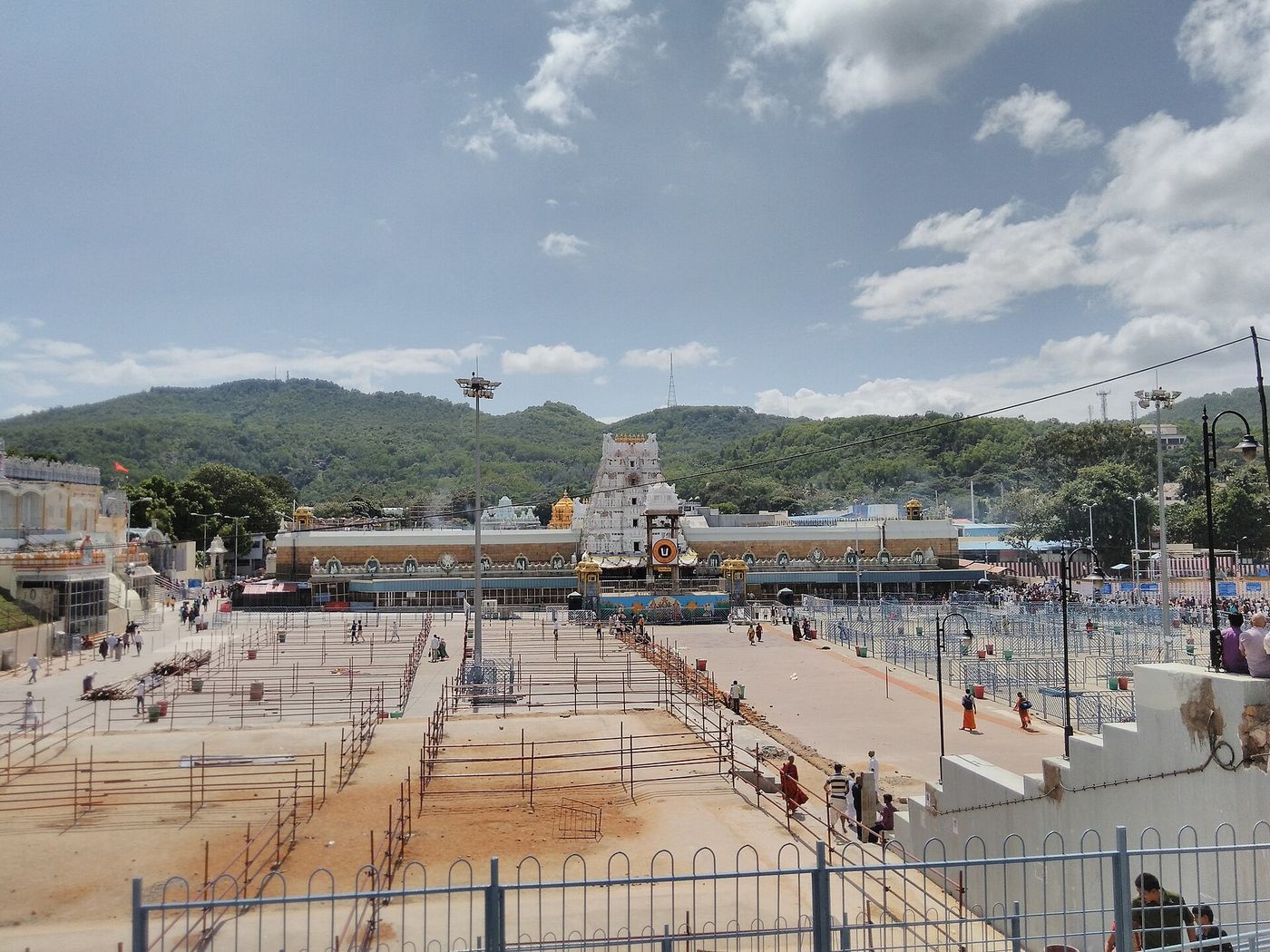
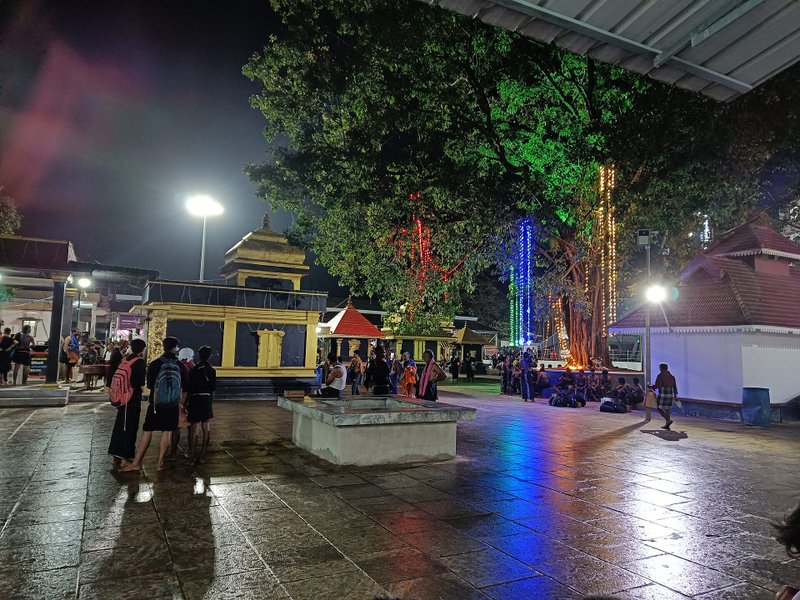
File photo: Dinesh Kumar (DK) from Bangalore, Karnataka, India (CC BY-SA 2.0), via Wikimedia Commons
TTD has allowed the ASI to copy Tirumala temple's second prakara inscriptions on 1-11 December 2026, after a Krishnadevaraya-era Kannada inscription was found.
Tirumala inscriptions: what happened
The Tirumala Tirupati Devasthanams (TTD), which runs the Sri Venkateswara temple at Tirumala in Andhra Pradesh, has allowed the epigraphy wing of the Archaeological Survey of India (ASI) to copy every inscription on the walls of the temple's second prakara, the second enclosure around the shrine, from Tuesday, 1 December to Friday, 11 December 2026. The permission follows a new find announced on Saturday, 28 November: a 16th-century Kannada inscription on the south wall of the first prakara showing a palace doorkeeper of the Vijayanagara emperor Krishnadevaraya bowing in prostration before the deity.
Tirumala inscriptions: key facts
- The copying of the second prakara walls is scheduled from 1 to 11 December 2026, under permission from the TTD.
- The TTD has also allowed the ASI to digitise the copies and upload them to BharatSHRI (Bharat Shared Repository of Inscriptions), the ASI's online repository, including inscriptions that record Krishnadevaraya's victories over other chiefs and kings.
- The newly found Kannada inscription shows Krishnadevaraya's palace doorkeeper in prostration; the ASI noted that this post was an influential administrative office, not a menial job.
- The wider BharatSHRI work at the temple covers about 750 inscriptions.
- Earlier, 44 inscriptions were collected from the second prakara and 53 from the walls of the Ananda Nilayam sanctum in 2009.
- In November the ASI began digitising nearly 100 estampages, paper impressions taken from the stone, of inscriptions copied from the prakara walls, because weathering is wearing away the originals.
Tirumala inscriptions: why it matters
The walls of the Tirumala temple are one of the richest archives of South Indian history carved in stone. Kings, queens, officials and ordinary devotees recorded their gifts there in Tamil, Telugu and Kannada over several centuries, so the inscriptions tell historians who ruled the region, how the temple was funded, and how offerings were organised. Two Telugu inscriptions on the north wall of the first prakara, for example, dated 10 February 1513, record offerings by Chinnajiamma and Tirumalamma, queens of Krishnadevaraya.
The newest find adds a different kind of detail. An inscription about a palace doorkeeper might sound minor, but the ASI's reading is that the doorkeeper was an important official at the Vijayanagara court. Such records help scholars rebuild the structure of the court, not only the lives of its kings.
Copying matters because stone does not last for ever. Weathering and the slow decay of the stone wear inscriptions down. An estampage made today preserves the text even if the wall surface later fades, and putting the copies online through BharatSHRI means a researcher, student or devotee anywhere can read them without visiting Tirumala.
For pilgrims, the work is largely behind the scenes. The copying is on the temple walls during a fixed 11-day window agreed with the TTD, which manages access to the temple.
Peepals timeline: Inscriptions at the temple have been gathered in stages. In 2009, 53 were collected from the walls of the Ananda Nilayam, adding to 44 collected earlier from the second prakara. In late October 2026, the ASI's plan to preserve about 750 Tirumala inscriptions under BharatSHRI was made public. In early November, two inscriptions from the reign of the Vijayanagara ruler Achyutadevaraya were reported at the temple. On 18 November, work began on digitising nearly 100 estampages. On 28 November, the doorkeeper inscription was reported, and copying of the second prakara is set for 1 to 11 December 2026.
Peepals calculation: The 97 inscriptions already collected (44 + 53) are about 13% of the roughly 750 the project covers (97 ÷ 750 ≈ 12.9%). The two queens' inscriptions of 1513 are 513 years old this year (2026 − 1513). Our calculation from the reported figures.
| Stage | Inscriptions |
|---|---|
| Collected earlier from the second prakara | 44 |
| Collected from the Ananda Nilayam walls, 2009 | 53 |
| Total in the BharatSHRI project | About 750 |
Tirumala inscriptions: impact
Short-term: From 1 to 11 December, ASI epigraphists will take impressions of the inscriptions on the second prakara walls, adding to the copies already being digitised.
Long-term: Once uploaded to BharatSHRI with transcripts and summaries, the Tirumala inscriptions will be open to scholars and the public, and safe from further wear on the stone.
Who is affected: Historians and epigraphists, students of the Vijayanagara period and of Telugu, Tamil and Kannada, the TTD, and devotees interested in the temple's history.
What to watch next: The copying window of 1 to 11 December 2026 and the upload of the records to the BharatSHRI portal.
Tirumala inscriptions: key takeaway
Readers interested in Tirumala's history should watch the BharatSHRI portal, where the temple's inscriptions, including Krishnadevaraya-era records, are due to be published after the December copying.
Tirumala inscriptions: questions and answers
When will the ASI copy the Tirumala temple inscriptions?
The TTD has permitted the ASI's epigraphy wing to copy all inscriptions on the walls of the temple's second prakara from 1 to 11 December 2026.
What inscription was found at Tirumala on 28 November 2026?
A 16th-century Kannada inscription on the south wall of the first prakara, showing a palace doorkeeper of Krishnadevaraya bowing before the deity. The ASI noted the doorkeeper held an influential administrative post.
What is BharatSHRI?
It is the ASI's online repository of Indian inscriptions, where copies, transcripts and short histories of inscriptions are uploaded so that anyone can read them.
Why are the inscriptions being copied now?
Weathering and wear on the stone risk erasing the original text, so the ASI is making estampages and digitising them to preserve the records.
Disclaimer: Prepared by the Peepals newsroom from publicly available sources with AI assistance. Information is accurate to the best of our knowledge at the time of publication and may change. Images may be representative. Not professional advice. Report an error via our contact page.
By Ishita Sen, Culture & Heritage EditorCovers Culture & Heritage and more for Peepals Sanskriti. All stories by Ishita Sen
Thirukkural in 50 languages released at Kashi Tamil Sangamam 5.0
Kutch camel milk: Amul chocolate, ice cream as daily collection hits 5,500 litres
Your week ahead, every Sunday. Free.
Exam and result dates, IPOs opening, scheme deadlines, government holidays and the RBI decision for the next 7 days, plus the week's top stories. One email a week, unsubscribe in one click.
Ishita Sen is a pen name of the Peepals Global Editorial Team, which researches, fact-checks and publishes every story. The portrait is an illustration.
Responsible for this story: the Peepals Global Editorial Team. How we report