
Nashik Simhastha Kumbh: President Murmu invited to October 31 flag hoisting
 By Ishita SenCulture & Heritage Editor, Peepals Sanskriti
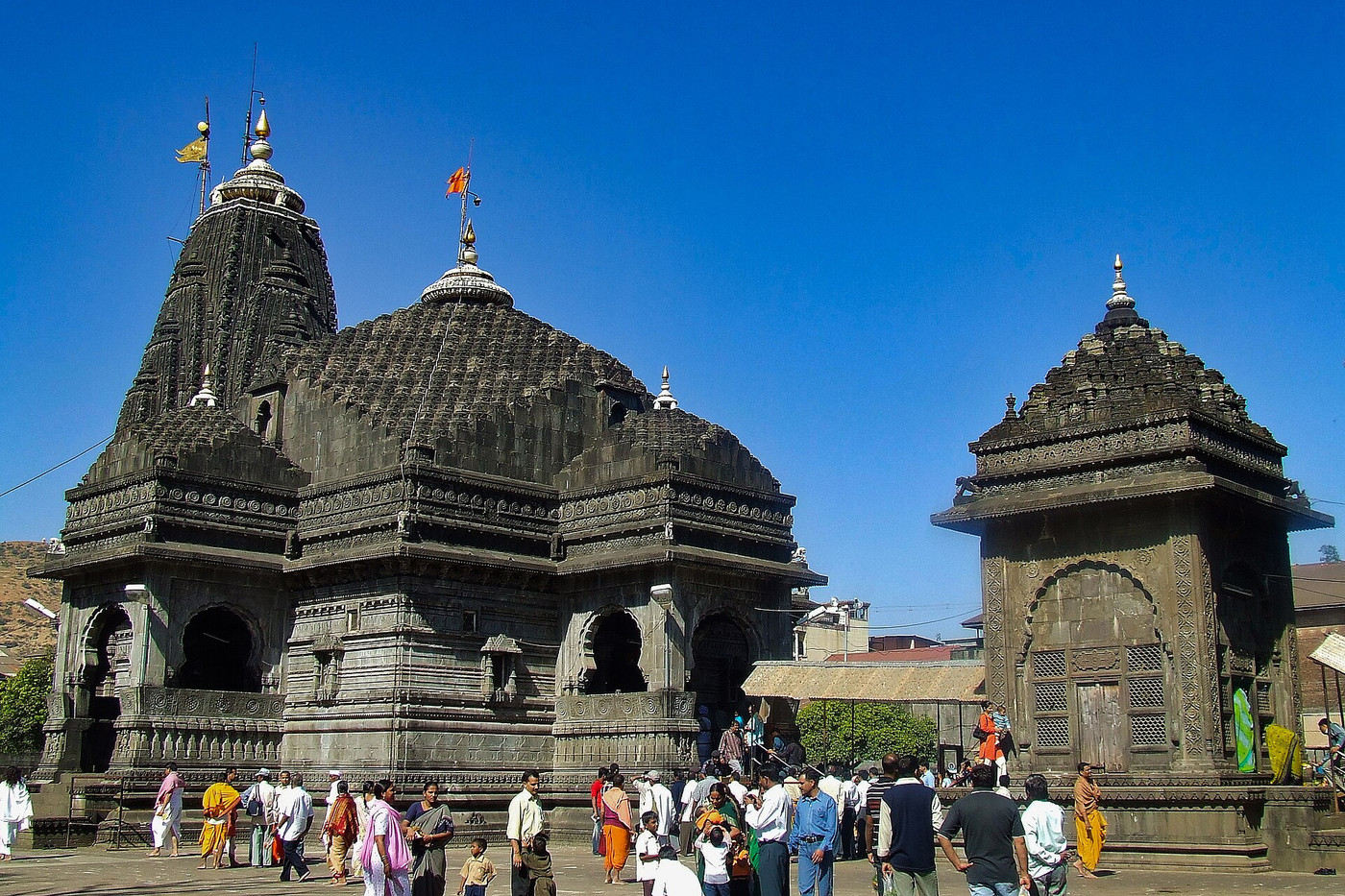
File photo: Saket Verma (CC BY-SA 4.0), via Wikimedia Commons
Maharashtra invited President Murmu on 21 October 2026 to the Simhastha Kumbh flag hoisting at Ramkund and Trimbakeshwar on 31 October, at 12.02 pm.
What Happened
Maharashtra has formally invited President Droupadi Murmu to the flag-hoisting ceremony that will open the Nashik-Trimbakeshwar Simhastha Kumbh Mela on 31 October 2026. A state delegation led by Chief Minister Devendra Fadnavis met the President at Rashtrapati Bhavan in New Delhi on Wednesday, 21 October 2026, and handed over the invitation. The Dharmadhwaj, or religious flag, is to be raised at 12.02 pm at the same moment at Ramkund in Nashik and at Kushavarta Tirtha in Trimbakeshwar, marking the start of a Kumbh that is held once in 12 years.
Key Facts
- Invitation: delivered on 21 October 2026 by a delegation led by Chief Minister Devendra Fadnavis, with Deputy Chief Minister Eknath Shinde, state ministers, Simhastha Kumbh Mela Authority chairman and Divisional Commissioner Dr Praveen Gedam, and Kumbh Mela Commissioner Shekhar Singh.
- Ceremony: flag-hoisting (dhwajarohan) on 31 October 2026 at 12.02 pm, simultaneously at Ramkund, Nashik, and Kushavarta Tirtha, Trimbakeshwar.
- Same day: the President has also been invited to the evening Goda Aarti on the Godavari, the launch of the Kumbh Mela Authority's portal, and the release of the official Kumbh anthem, a commemorative book and a postage stamp, according to the state.
- Attendance: not officially confirmed; Mr Shinde said he was confident the President would accept the invitation.
- Tribal aarti: about 6,000 tribal residents, from around 650 villages in seven talukas of Nashik district and 28 settlements in the city, are expected to take part in a collective Ganga-Godavari aarti at Ramkund.
- Close: the flags are to be lowered on 24 July 2028, which will mark the end of this Simhastha.
- Main bathing days, the Amrit Snan, fall in 2027, not at the October opening.
Why It Matters
The Kumbh Mela is one of the largest religious gatherings in the world and rotates between four sites: Prayagraj, Haridwar, Ujjain and Nashik-Trimbakeshwar. The gathering in Nashik and Trimbakeshwar is called Simhastha because, according to tradition, it is held when the planet Jupiter is in Simha, the sign of Leo. Pilgrims believe that bathing in the Godavari at this time carries special spiritual merit, and sadhus of the various akharas, the traditional orders of ascetics, lead the main processions. The flag-hoisting is the ritual opening: once the flags are raised at Ramkund and Kushavarta, the Simhastha period formally begins.
An invitation to the President gives the opening a national profile. The state has planned the day as more than a ritual. The collective aarti with thousands of tribal participants is meant to show the customs, folk traditions and community life of Maharashtra's tribal population alongside the temple and river rites, an attempt to present the Kumbh as a shared cultural event of the region. Ahead of the opening, organisers also plan two world record attempts, including a mass conch-blowing event on 25 October at Yashwant Maharaj Ground in Nashik.
The preparations have not been smooth everywhere. A report on 18 October said the riverbed at Ramkund had dried up during ongoing development works, and that two local groups, the Ganga Godavari Purohit Sangh and the Ramteerth Godavari Seva Samiti, conduct separate aartis there. Because works at Ramkund and the nearby ghats are still incomplete, the administration has restricted devotees' entry to parts of the area for a period of about two to three weeks. Officials have been reviewing projects such as the Ram Kal Path at Ramkund and the restoration of Kushavarta Kund, with instructions to finish them before the ceremony.
| Item | Detail |
|---|---|
| Opening | 31 October 2026, 12.02 pm, flag-hoisting at two sites |
| Sites | Ramkund (Nashik) and Kushavarta Tirtha (Trimbakeshwar) |
| Evening | Goda Aarti on the Godavari with tribal participants |
| Main bathing | Amrit Snan days in 2027 |
| Close | Flags lowered on 24 July 2028 |
Impact
Short-term: Nashik's police and civic bodies are preparing for crowds and a possible presidential visit on 31 October, with security surveys of the Godavari ghats and temporary entry limits near Ramkund while works are finished. Devotees planning to visit Ramkund in the coming days should expect restrictions.
Long-term: The opening starts a long Simhastha period that runs until July 2028, with the largest crowds expected on the Amrit Snan days in 2027. The state's new Kumbh Mela Authority, its roads, river-cleaning and ghat works will be tested over these months, and they will remain part of the city's infrastructure afterwards.
Who is affected: Pilgrims and sadhus of the akharas, residents and traders of Nashik and Trimbakeshwar, tribal communities of Nashik district taking part in the aarti, and the police, civic and railway authorities managing the crowds.
Key Takeaway
Maharashtra invited President Murmu on 21 October 2026 to raise the Simhastha Kumbh flag in Nashik and Trimbakeshwar on 31 October, opening a Kumbh that runs until July 2028.
Questions and Answers
When is the Nashik Simhastha Kumbh flag hoisting?
The flag-hoisting is on 31 October 2026 at 12.02 pm, held at the same time at Ramkund in Nashik and Kushavarta Tirtha in Trimbakeshwar. It formally opens the Nashik-Trimbakeshwar Simhastha Kumbh Mela.
Will President Droupadi Murmu attend the Simhastha ceremony?
A Maharashtra delegation led by Chief Minister Devendra Fadnavis invited her on 21 October 2026. Her attendance had not been officially confirmed, though Deputy Chief Minister Eknath Shinde said he was confident she would accept.
Why is the Nashik Kumbh called Simhastha?
According to tradition, the Kumbh at Nashik and Trimbakeshwar is held when Jupiter is in Simha, the sign of Leo, which gives it the name Simhastha. It comes round once in 12 years.
When are the main bathing days of the Nashik Kumbh?
The main Amrit Snan bathing days fall in 2027. The October 2026 ceremony only opens the Simhastha period, which ends when the flags are lowered on 24 July 2028.
Disclaimer: Prepared by the Peepals newsroom from publicly available sources with AI assistance. Information is accurate to the best of our knowledge at the time of publication and may change. Images may be representative. Not professional advice. Report an error via our contact page.
By Ishita Sen, Culture & Heritage EditorCovers Culture & Heritage and more for Peepals Sanskriti. All stories by Ishita Sen
Chinmaya Mission at 75: Modi opens Delhi sammelan, meets founder's hologram
Central Sanskrit University announces two-year MA in Mahabharata Studies
Ishita Sen is a pen name of the Peepals Global Editorial Team, which researches, fact-checks and publishes every story. The portrait is an illustration.