
Vijayawada's Kanaka Durga Teppotsavam returns on Krishna after two flood years
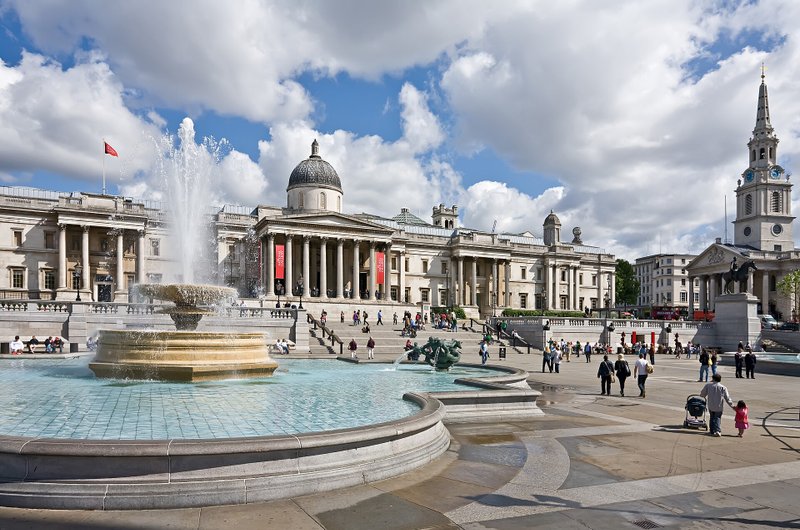
File photo: Krishna Chaitanya Velaga (CC BY-SA 4.0), via Wikimedia Commons
The Teppotsavam float festival closing Dasara at Vijayawada's Kanaka Durga temple was held on the Krishna on October 20, 2026, after floods stopped it in 2024 and 2025.
What Happened
The Teppotsavam, the river float festival that closes the Dasara celebrations at the Kanaka Durga temple on Indrakeeladri hill in Vijayawada, Andhra Pradesh, was held on the Krishna river on the evening of Tuesday, October 20, 2026, after a gap of two years. The processional idols of Goddess Kanaka Durga and Lord Malleswara Swamy were taken on a ceremonial ride on the river aboard the illuminated Hamsa Vahanam, a swan-shaped float. The float festival had not been held in 2024 and 2025 because of high flood levels in the Krishna, according to local reports. Its return marked the end of this year's 10-day Dasara Sharannavaratri festivities at the temple.
Key Facts
- The Teppotsavam was held on the Krishna river in Vijayawada on October 20, 2026, Vijayadashami day.
- The idols of Kanaka Durga and Malleswara Swamy were carried on the illuminated Hamsa Vahanam, a swan-shaped float.
- The float festival was not held in 2024 and 2025 because of high water levels in the river.
- It closed the 10-day Dasara Sharannavaratri festival at Indrakeeladri, which ran from October 11 to October 20.
- On the final day the goddess was decorated as Sri Rajarajeswari Devi; on Mahanavami she appeared as Mahishasuramardini.
- Temple and district authorities coordinated arrangements to manage the heavy pilgrim turnout, local reports said.
Why It Matters
The Kanaka Durga temple on Indrakeeladri is a major shrine in Andhra Pradesh, and Dasara is its principal festival. Over ten days, the goddess is dressed in a different form, or alankaram, each day, each representing an aspect of the divine feminine described in devotional texts. Devotees travel from across the Telugu states to see particular forms, and the sequence ends on Vijayadashami, the day that marks the victory of good over evil in Hindu tradition.
The Teppotsavam is the ceremonial close of that sequence. In many South Indian temples, a teppotsavam, or float festival, takes the deities out of the shrine and onto water, so that people gathered along the banks can see them. In Vijayawada the setting is the Krishna river below the hill, and the swan-shaped Hamsa Vahanam, lit up at night, is the festival's closing spectacle. For devotees, being able to see the deities on the river completes the festival; for the city, it is also a major public event that draws crowds to the river front.
Its absence for two years shows how closely such traditions are tied to the river itself. When the Krishna runs high after heavy rain upstream, taking a float onto the water becomes unsafe, and the authorities have to cancel. This year the river allowed the ritual to go ahead, restoring the festival's traditional close.
Running a river festival also takes careful planning. Float rides need safe water levels, secure boats and controlled access to the banks, and large crowds have to be managed at the ghats and on the approach roads. Local reports said the authorities coordinated arrangements to handle the pilgrim turnout. No official attendance figure had been published at the time of writing.
| Day (2026) | Event at Indrakeeladri |
|---|---|
| October 11 | Dasara Sharannavaratri begins |
| Mahanavami | Goddess appears as Mahishasuramardini |
| October 20 (Vijayadashami) | Goddess as Sri Rajarajeswari Devi; Teppotsavam on the Krishna |
Impact
Short-term: The festival season at the temple has ended with its traditional finale restored, and pilgrim traffic in Vijayawada is easing after ten busy days.
Long-term: The two missed years highlight how changing river levels can affect religious traditions held on water. Temple and district authorities may need contingency plans, such as alternative venues or timings, for years when the river is in flood.
Who is affected: Devotees of Kanaka Durga across Andhra Pradesh and Telangana; residents and businesses around Indrakeeladri and the river front; and temple and district authorities who manage the festival.
Key Takeaway
Vijayawada's Teppotsavam, the river float festival that closes Dasara at the Kanaka Durga temple, returned on October 20, 2026 after floods had stopped it in 2024 and 2025.
Questions and Answers
What is the Teppotsavam at Vijayawada's Kanaka Durga temple?
It is a float festival held on the Krishna river at the end of Dasara, in which the idols of Goddess Kanaka Durga and Lord Malleswara Swamy are carried on an illuminated swan-shaped float called the Hamsa Vahanam.
When was the Teppotsavam held in 2026?
It was held on the evening of October 20, 2026, Vijayadashami, closing the 10-day Dasara festival at Indrakeeladri.
Why was the Teppotsavam not held in 2024 and 2025?
High flood levels in the Krishna river made it unsafe to hold the float festival in those years, according to local reports.
Which form did Goddess Kanaka Durga take on the last day of Dasara?
On Vijayadashami, the goddess was decorated as Sri Rajarajeswari Devi. On Mahanavami, the day before, she appeared as Mahishasuramardini.
Disclaimer: Prepared by the Peepals newsroom from publicly available sources with AI assistance. Information is accurate to the best of our knowledge at the time of publication and may change. Images may be representative. Not professional advice. Report an error via our contact page.
Sourced and fact-checked by the Peepals Global Editorial Team
Less ultra-processed food tied to fewer depression symptoms after 70, study finds
Dhanteras 2026 on November 6: why the evening Pradosh rule decides
Reported, fact-checked and published by the Peepals Global Editorial Team.