
Sirpur, two Andaman volcano sites join UNESCO World Heritage Tentative List

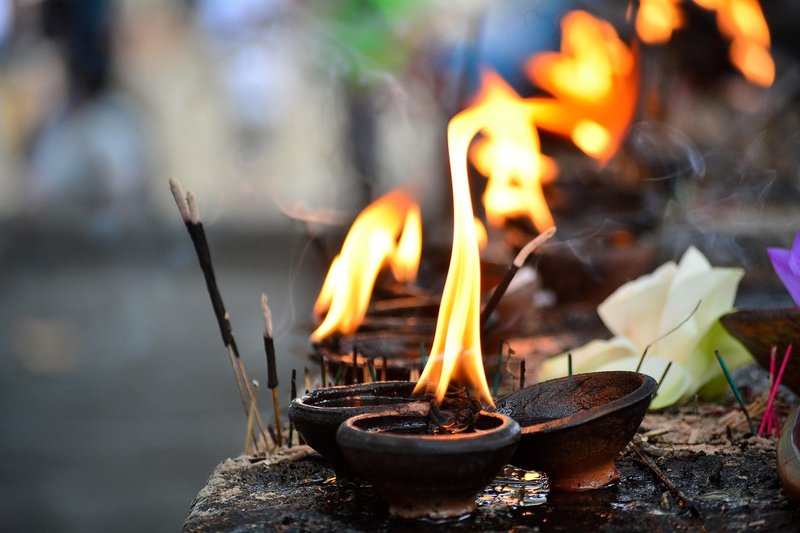
Representative image: Ri_Ya / Pixabay
Sirpur in Chhattisgarh and two Andaman geological sites were added to UNESCO's World Heritage Tentative List on October 20, 2026, a first step to nomination.
What Happened
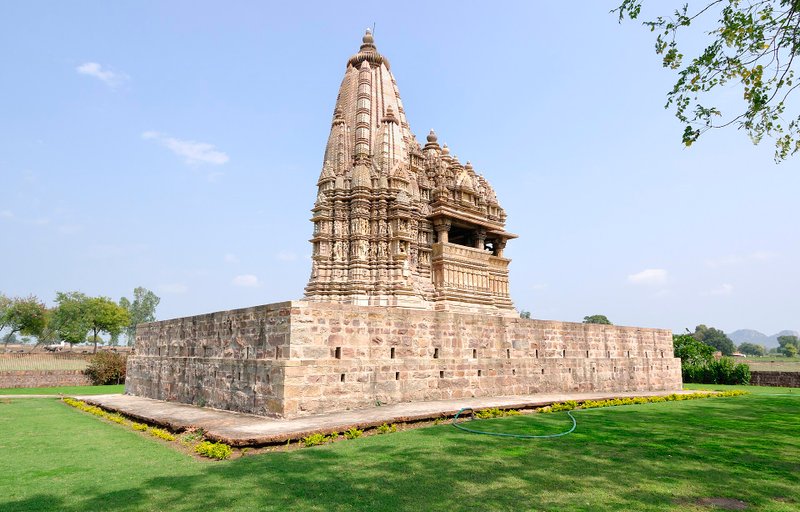
Three Indian sites were added to UNESCO's World Heritage Tentative List on Tuesday, October 20, 2026, India's Permanent Delegation to UNESCO in Paris announced. They are the Sirpur Cultural and Archaeological Landscape in Chhattisgarh, and two natural sites in the Andaman and Nicobar Islands: the Karst-mud-volcano Complex of Baratang and the Andaman Subduction Volcanoes. The Archaeological Survey of India (ASI) prepared the research and documentation for the proposals.
Key Facts
- Date: the additions were announced in a press release from India's Permanent Delegation to UNESCO on October 20, 2026.
- Sirpur: a cultural and archaeological landscape on the Mahanadi river in Chhattisgarh's Mahasamund district, once a capital of the ancient region of Dakshina Kosala.
- Sirpur's remains: Hindu temples, Buddhist monasteries and Jain structures dating from about the 5th to the 12th century CE.
- Baratang: a complex of limestone (karst) landforms and mud volcanoes in the Andaman Islands.
- Andaman Subduction Volcanoes: volcanic islands formed where one tectonic plate slides beneath another; reports link the entry to Barren Island and Narcondam Island.
- Documentation: prepared by the Archaeological Survey of India.
- Status: a tentative listing is a first step; the sites are not yet World Heritage Sites.
Why It Matters
A country can nominate a site for UNESCO's World Heritage List only if it has first placed it on its Tentative List, an inventory of places it intends to propose in future. Adding Sirpur and the two Andaman sites therefore opens the door to full nominations, which require detailed dossiers, management plans and evaluation by UNESCO's expert advisory bodies before the World Heritage Committee decides.
For Sirpur, the listing recognises a place where three of India's religious traditions grew side by side. The site's temples, monasteries and Jain remains show how Hindu, Buddhist and Jain communities shared one landscape over several centuries, and how a regional capital on the Mahanadi supported religious life, learning and trade. For Chhattisgarh, a state whose heritage is less known to most travellers than that of neighbouring regions, the listing raises Sirpur's profile and may support conservation funding and better visitor facilities. The state has already proposed a tourism mission that includes Sirpur.
The two Andaman entries are of a different kind. They are natural sites, valued for what they show about the earth's processes rather than human history. Mud volcanoes, which push up mud and gas rather than lava, and active volcanic islands formed at a plate boundary are rare features in India. Their inclusion signals that India's future nominations will cover geology and landscapes as well as monuments.
What happens next: the ASI and the state and island administrations will need to prepare full nomination dossiers, including how the sites will be protected, managed and monitored. Only after that can India put any of them forward for a decision, a process that usually takes years.
| Site | Location | Type |
|---|---|---|
| Sirpur Cultural and Archaeological Landscape | Mahasamund district, Chhattisgarh | Cultural |
| Karst-mud-volcano Complex of Baratang | Andaman Islands | Natural |
| Andaman Subduction Volcanoes | Andaman and Nicobar Islands | Natural |
Impact
Short-term: The listing brings attention to Sirpur and the Andaman sites, and may draw more visitors and researchers. Conservation and documentation work will need to continue to meet UNESCO's standards.
Long-term: If successfully nominated and inscribed, the sites would gain international recognition and protection obligations, and could become anchors for heritage and nature tourism in Chhattisgarh and the Andamans.
Who is affected: Residents and local administrations around Sirpur and in the Andaman and Nicobar Islands, the Archaeological Survey of India, heritage researchers, tourism businesses, and visitors interested in India's religious and natural heritage.
Key Takeaway
India added Sirpur in Chhattisgarh and two Andaman geological sites to UNESCO's World Heritage Tentative List on October 20, 2026, a first step towards full nominations that is not yet World Heritage status.
Questions and Answers
Which Indian sites were added to the UNESCO Tentative List in October 2026?
On October 20, 2026, India added the Sirpur Cultural and Archaeological Landscape in Chhattisgarh, the Karst-mud-volcano Complex of Baratang, and the Andaman Subduction Volcanoes in the Andaman and Nicobar Islands.
Is Sirpur now a UNESCO World Heritage Site?
No. Being on the Tentative List means India may nominate Sirpur in future. It becomes a World Heritage Site only if a full nomination is evaluated and approved by the World Heritage Committee.
Why is Sirpur important?
Sirpur, on the Mahanadi in Chhattisgarh's Mahasamund district, was once a capital of Dakshina Kosala. Its Hindu temples, Buddhist monasteries and Jain structures date from about the 5th to the 12th century CE.
Disclaimer: Prepared by the Peepals newsroom from publicly available sources with AI assistance. Information is accurate to the best of our knowledge at the time of publication and may change. Images may be representative. Not professional advice. Report an error via our contact page.
Sourced and fact-checked by the Peepals Global Editorial Team
US Postal Service unveils rangoli Diwali stamp at India's embassy
UAE commits to national rules, research agenda for traditional medicine
Reported, fact-checked and published by the Peepals Global Editorial Team.