
Nashik-Trimbakeshwar Simhastha Kumbh begins today with flag hoisting at Ramkund
 By Ishita SenCulture & Heritage Editor, Peepals Sanskriti
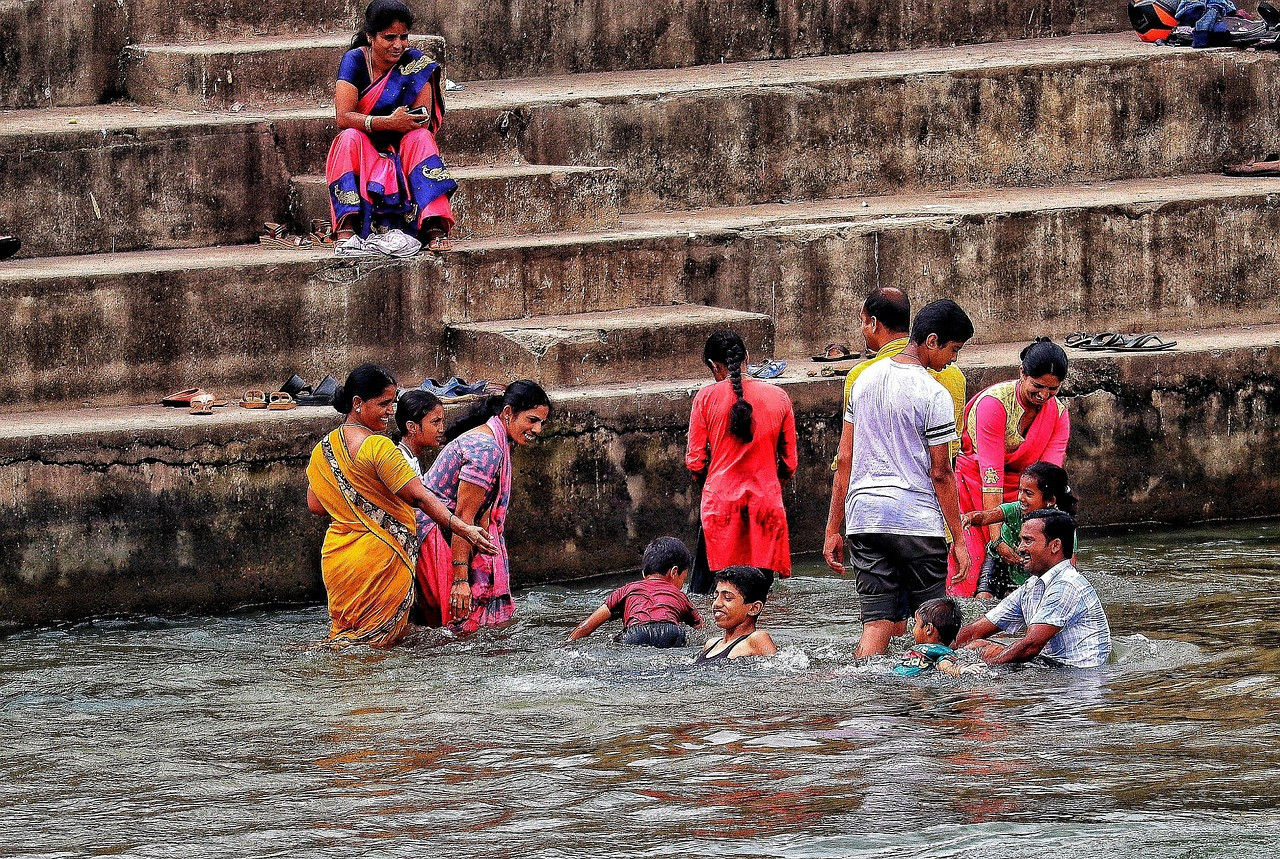
Representative image: Tho-Ge / Pixabay
The Nashik-Trimbakeshwar Simhastha Kumbh Mela formally begins on 31 October 2026 with flag hoisting at Ramkund and Kushavarta; it runs to 24 July 2028.
What Happened
The Nashik-Trimbakeshwar Simhastha Kumbh Mela formally begins on Saturday, 31 October 2026, with the Dhwajarohan, or flag hoisting ceremony, at Ramkund in Nashik's Panchavati area and at Kushavarta Tirtha in Trimbakeshwar. The schedule announced by the Maharashtra government sets the Ramkund ceremony at two minutes past 12 noon. Reports say President Droupadi Murmu is to inaugurate the Mela, which will run until 24 July 2028, with its main bathing days in August and September 2027.
Key Facts
- The Dhwajarohan at Ramkund, Panchavati, is scheduled for 12.02 pm on Saturday, 31 October 2026; flag hoisting also takes place at Kushavarta Tirtha, Trimbakeshwar.
- A religious flag procession was scheduled for 30 October, with the flag hoisting and Godavari Aarti on 31 October.
- The Mela formally runs from 31 October 2026 to 24 July 2028, according to the official schedule.
- First Amrut Snan: 2 August 2027 (Ashadh Somvati Amavasya).
- Second Amrut Snan: 31 August 2027 (Shravan Amavasya).
- Third Amrut Snan: 11 September 2027 in Nashik and 12 September 2027 in Trimbakeshwar.
- Nagar Pradakshina, a procession around the town, is scheduled at Nashik on 29 July 2027.
- Officials expect about 12 crore visitors over the coming months, according to reports.
Why It Matters
According to tradition, the Kumbh Mela is held at four places in India, Prayagraj, Haridwar, Ujjain and Nashik-Trimbakeshwar, where drops of amrit, the nectar of immortality, are said to have fallen during the churning of the ocean described in the Puranas. The Nashik gathering is called Simhastha because, as the tradition holds, it takes place when Jupiter (Brihaspati) is in the sign of Leo (Simha). In Nashik it is held on the banks of the Godavari.
The flag hoisting is the ceremonial start of this long cycle. The hoisting of the dharma dhwaja, or religious flag, at Ramkund and at Kushavarta in Trimbakeshwar marks the period in which the akharas, the orders of sadhus, gather and prepare for the Amrut Snans, the holy dips that are the high points of the Mela. Akhara heads took part in the planning meeting at which the state government announced the schedule.
For the public, the dates matter for planning. The three Amrut Snans in August and September 2027 are expected to draw the largest crowds, and the state has said works for the Mela should be completed by March 2027, with a focus on crowd management. Restrictions on traffic and the temporary closure of shops around Ramkund and the Godavari ghats were announced for the ceremony days, affecting local residents and traders.
The Mela is also an occasion for marking heritage in other ways. Special postage stamps featuring Ramkund and Kushavarta Tirtha were planned for the flag hoisting, linking the ceremony with two of the region's most sacred sites.
| Simhastha Kumbh key dates | Date |
|---|---|
| Dhwajarohan (flag hoisting) | 31 October 2026 |
| Nagar Pradakshina, Nashik | 29 July 2027 |
| First Amrut Snan | 2 August 2027 |
| Second Amrut Snan | 31 August 2027 |
| Third Amrut Snan | 11 September 2027 (Nashik), 12 September 2027 (Trimbakeshwar) |
Impact
Short-term: Nashik's Panchavati area and Trimbakeshwar see heavy footfall, traffic diversions and shop closures around Ramkund and the ghats during the ceremony days.
Long-term: Over the next 20 months, Nashik and Trimbakeshwar will host one of the largest religious gatherings in the world, bringing pressure on roads, railways, water and sanitation, and a major boost to local business, transport and hospitality.
Who is affected: Devotees and akharas, residents and traders of Nashik and Trimbakeshwar, pilgrims planning travel for the 2027 Amrut Snans, and the state and central agencies managing crowds and services.
Key Takeaway
The Nashik-Trimbakeshwar Simhastha Kumbh Mela formally opens on 31 October 2026 with flag hoisting at Ramkund and Kushavarta, beginning a cycle that peaks with three Amrut Snans in August and September 2027.
Questions and Answers
When does the Nashik Kumbh Mela begin?
The Nashik-Trimbakeshwar Simhastha Kumbh Mela formally begins on 31 October 2026 with the Dhwajarohan, or flag hoisting, at Ramkund in Nashik and Kushavarta Tirtha in Trimbakeshwar. It runs until 24 July 2028.
What are the Amrut Snan dates for the Nashik Kumbh?
According to the schedule announced by the Maharashtra government, the first Amrut Snan is on 2 August 2027, the second on 31 August 2027, and the third on 11 September 2027 in Nashik and 12 September 2027 in Trimbakeshwar.
Why is the Nashik Kumbh called Simhastha?
According to tradition, the Kumbh at Nashik-Trimbakeshwar is held when Jupiter is in the sign of Leo, called Simha, which is why it is known as the Simhastha Kumbh.
How many people are expected at the Nashik Kumbh?
Officials expect about 12 crore visitors over the course of the Mela, according to reports, with the largest crowds expected on the Amrut Snan days in 2027.
Disclaimer: Prepared by the Peepals newsroom from publicly available sources with AI assistance. Information is accurate to the best of our knowledge at the time of publication and may change. Images may be representative. Not professional advice. Report an error via our contact page.
By Ishita Sen, Culture & Heritage EditorCovers Culture & Heritage and more for Peepals Sanskriti. All stories by Ishita Sen
Get the day's stories in your inbox
Peepals Weekly: the week decoded, free. One email a week, unsubscribe in one click.
Ishita Sen is a pen name of the Peepals Global Editorial Team, which researches, fact-checks and publishes every story. The portrait is an illustration.