
Hornbill Festival 2026: Nagaland seeks permit-free entry for foreign visitors
 By Ishita SenCulture & Heritage Editor, Peepals Sanskriti
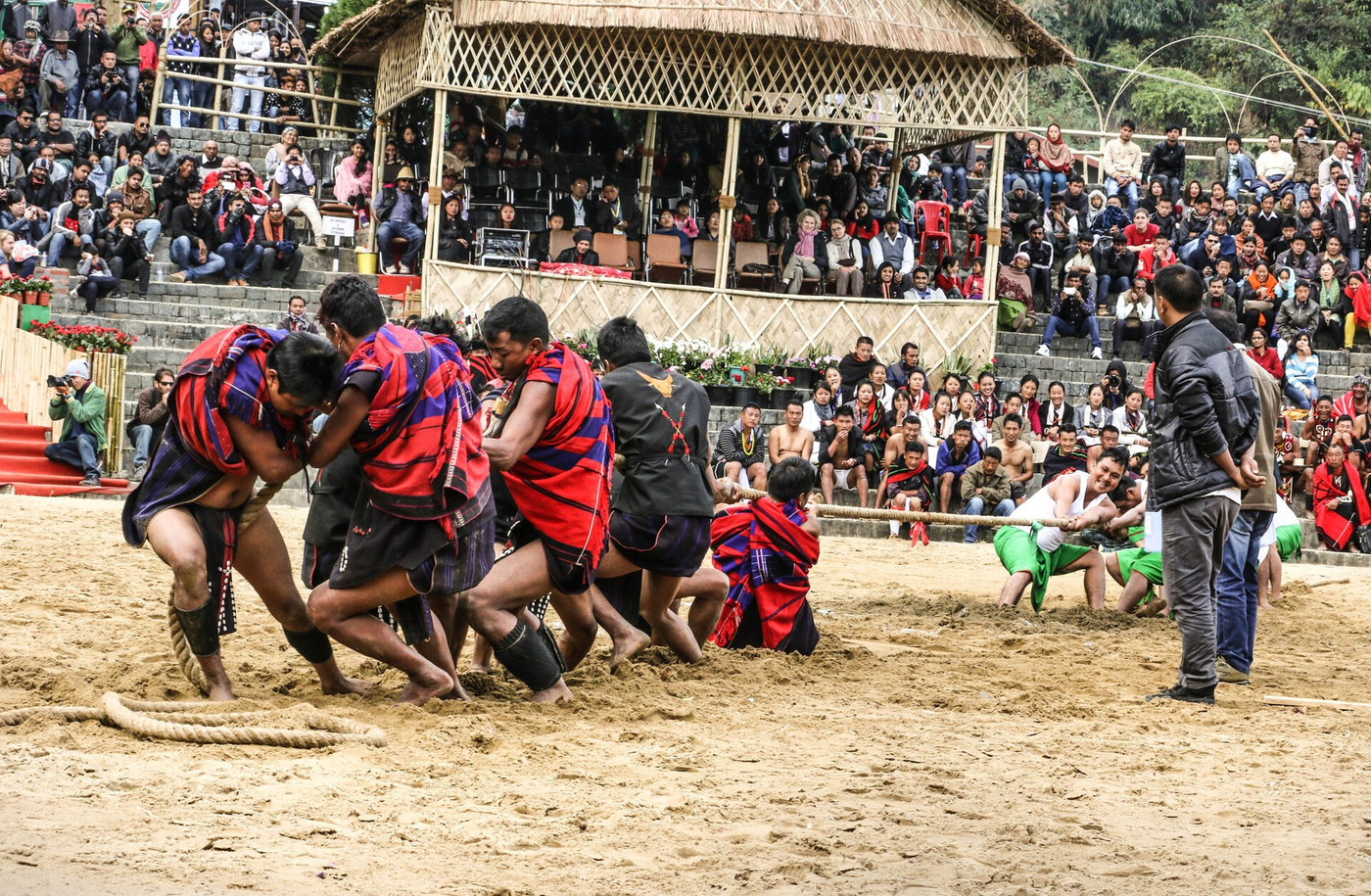
File photo: Mitu Gogoi (CC BY-SA 4.0), via Wikimedia Commons
Ahead of the 27th Hornbill Festival from December 1 to 10, 2026, Nagaland is pressing the Centre to scrap the Protected Area Permit and readying tribal morungs at Kisama.
What Happened
The Nagaland government is pressing the Centre to withdraw the Protected Area Permit (PAP) regime completely before the 27th Hornbill Festival, which runs from December 1 to 10, 2026, at Kisama Heritage Village near Kohima. According to reports on October 28, 2026, Chief Minister Neiphiu Rio met Union Home Minister Amit Shah in New Delhi to seek the permit's permanent removal, and state Tourism Minister Temjen Imna Along said the Home Minister had assured that the issue would be examined. At the same time, the state's Tourism Directorate has asked the tribal bodies of Nagaland to finish renovating their traditional morungs at the festival site by the second week of November.
Key Facts
- Festival: 27th edition of the Hornbill Festival, December 1 to 10, 2026.
- Venue: Kisama Heritage Village, about 12 km south of Kohima.
- The state wants the Protected Area Permit regime fully withdrawn; the Chief Minister raised it with the Union Home Minister in New Delhi.
- The Tourism Minister said the permit restrictions hurt tourism and that the permit question is separate from border security concerns.
- The Tourism Directorate asked tribal hohos (apex tribal councils) to cooperate, to complete morung renovation by the second week of November and to tell the department their vehicle pass needs in advance.
- The tribal bodies' request for more funds for their morungs is to be considered by the festival's High Power Committee.
- The state government is working to invite President Droupadi Murmu as chief guest for the opening on December 1; this has not been confirmed.
- For the 2025 festival, the Centre relaxed the permit for foreign visitors for the festival period, through a Home Ministry letter dated November 29.
Why It Matters
The Hornbill Festival is Nagaland's best-known window on its living traditions. The festival brings the state's tribes together at one site, where each tribe's morung, the traditional communal house, is used to display its dances, songs, crafts, food and customs. For many visitors, it is the one time in the year when the cultures of all the tribes can be seen side by side. That is why the work on the morungs, and the money for it, matters to the tribal bodies as much as to the tourism department.
The Protected Area Permit is the other side of the story. Foreign nationals need this permit to visit areas that the Centre has declared protected, and Nagaland has long argued that it discourages international visitors. The state's position, as stated by the Tourism Minister, is that the permit and border security are separate matters and that the restriction mainly holds back tourism. Last year the Centre eased the rules for foreign visitors only for the festival period. A complete withdrawal would be a larger change, and it is a decision for the Union Home Ministry, not the state.
For heritage, the question is practical. More visitors can mean more income for the artisans, performers and village communities whose traditions are on show, but it also puts pressure on the festival's organisers to keep the event true to its purpose. The state's early preparations, starting with the morungs, show where its priorities lie for this edition.
| Item | Detail |
|---|---|
| Edition | 27th Hornbill Festival |
| Dates | December 1 to 10, 2026 |
| Venue | Kisama Heritage Village, near Kohima |
| Morung deadline | Second week of November |
| State's request | Full withdrawal of the Protected Area Permit |
Impact
Short-term: Tribal bodies have a few weeks to finish renovating their morungs, and the state awaits the Centre's response on the permit before foreign visitors plan their December trips.
Long-term: If the Centre agrees to a full withdrawal, foreign tourists could visit Nagaland throughout the year without the permit, which the state says would help tourism and the communities that depend on it.
Who is affected: Naga tribal bodies and the artisans and performers who take part in the festival; foreign and domestic tourists; tour operators and hotels in Kohima and nearby; and the state and Union governments.
Key Takeaway
Nagaland is preparing for the 27th Hornbill Festival from December 1 to 10, 2026, by readying the tribes' morungs at Kisama and asking the Centre to scrap the Protected Area Permit for foreign visitors.
Questions and Answers
When and where is the Hornbill Festival 2026?
The 27th Hornbill Festival will be held from December 1 to 10, 2026, at Kisama Heritage Village, about 12 km south of Kohima in Nagaland.
What is Nagaland asking the Centre for before the Hornbill Festival?
The state wants the Protected Area Permit regime, which foreign nationals need to enter protected areas, withdrawn completely. Chief Minister Neiphiu Rio raised the demand with Union Home Minister Amit Shah, who, according to the state's Tourism Minister, assured that it would be examined.
Do foreign tourists still need a Protected Area Permit for Nagaland?
The state has asked for the permit to be scrapped, but no decision has been reported. For the 2025 festival the Centre relaxed the permit for foreign visitors during the festival period, so visitors should check the latest Home Ministry rules before travelling.
What are morungs and why are they being renovated?
Morungs are traditional communal houses of the Naga tribes. At Kisama each tribe uses its morung to show its culture during the festival, and the Tourism Directorate has asked the tribal bodies to finish renovating them by the second week of November.
Disclaimer: Prepared by the Peepals newsroom from publicly available sources with AI assistance. Information is accurate to the best of our knowledge at the time of publication and may change. Images may be representative. Not professional advice. Report an error via our contact page.
By Ishita Sen, Culture & Heritage EditorCovers Culture & Heritage and more for Peepals Sanskriti. All stories by Ishita Sen
Get the day's stories in your inbox
Peepals Weekly: the week decoded, free. One email a week, unsubscribe in one click.
Ishita Sen is a pen name of the Peepals Global Editorial Team, which researches, fact-checks and publishes every story. The portrait is an illustration.