
Hampi UNESCO review: experts seek parking shift, report in six weeks
 By Ishita SenCulture & Heritage Editor, Peepals Sanskriti
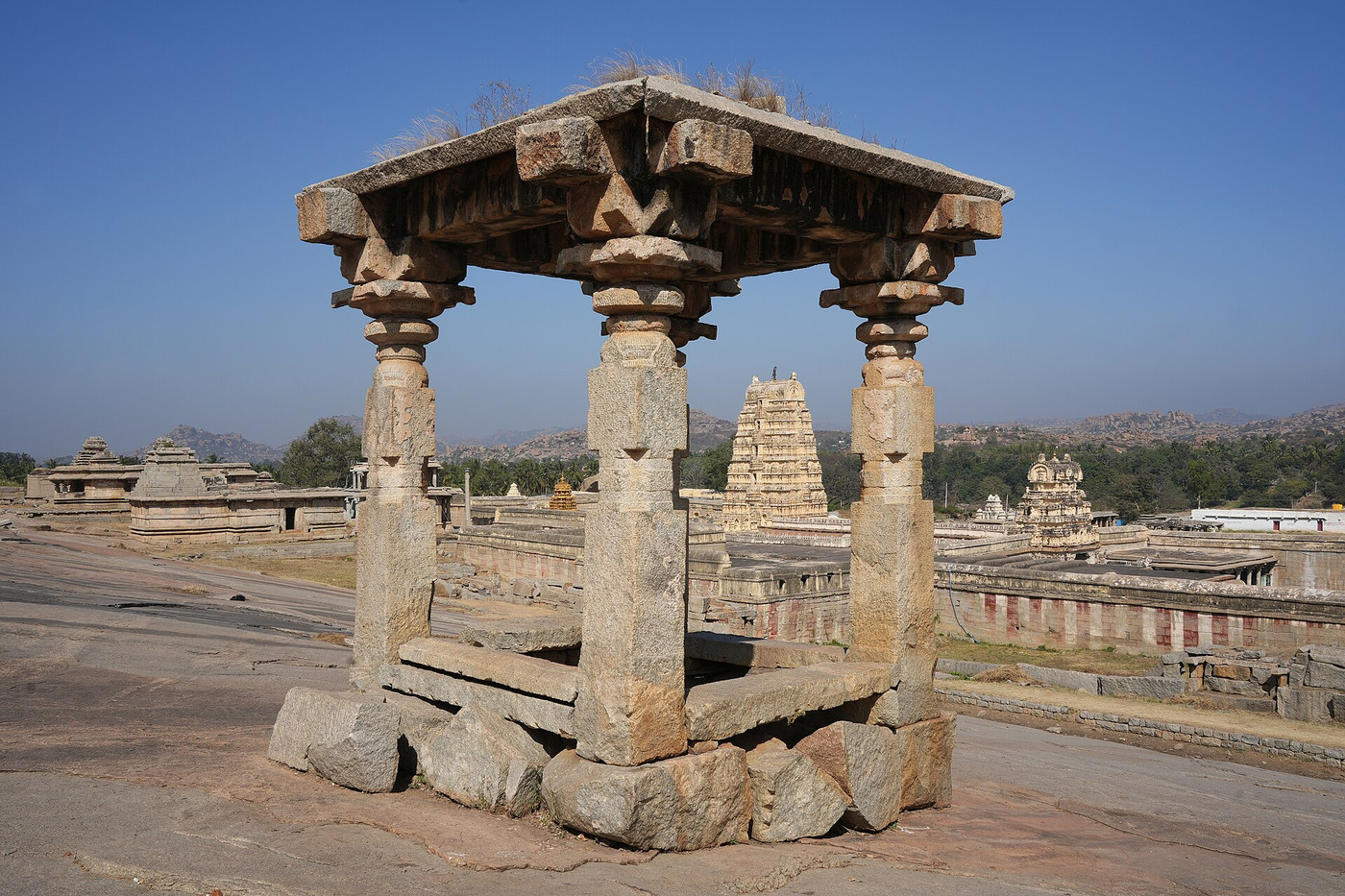
File photo: Ingo Mehling (CC BY-SA 4.0), via Wikimedia Commons
UNESCO experts who reviewed Hampi from October 24, 2026 will report in six weeks; they want parking moved from the Salu Mantapa, the DC said.
What Happened
A UNESCO expert team has completed a four-day review of conservation at the Group of Monuments at Hampi, the World Heritage Site in Karnataka's Vijayanagara district, and will submit its report in about six weeks, Deputy Commissioner Kavitha S Mannikeri has said. The team, led by George Abungu of the UNESCO World Heritage Centre with an expert from ICOMOS, the international council that advises UNESCO on monuments, began its visit on Saturday, October 24, 2026, and inspected sites in Hampi, Anjanadri and Anegundi. According to the deputy commissioner, the experts were satisfied with conservation work, but recommended moving vehicle parking away from the Salu Mantapa in front of the Virupaksha Temple.
Key Facts
- The UNESCO and ICOMOS team visited Hampi from October 24, 2026, inspecting the Vijaya Vittala Temple, the Virupaksha Temple, the Krishna Temple and other monuments, as well as the Anjanadri and Anegundi areas.
- After the site visits the delegation was scheduled to meet Karnataka's Chief Secretary, Archaeological Survey of India (ASI) officials and UNESCO representatives on October 28.
- Deputy Commissioner Kavitha S Mannikeri said the team would send its observations in about six weeks, based on site inspections and talks with officials and other stakeholders.
- The experts said parking near the Salu Mantapa, in front of the Virupaksha Temple, was not appropriate and should be relocated; they also urged a more scientific parking system to reduce congestion.
- The team approved of a new bypass road meant for vehicles that do not need to enter the Hampi core area, according to local reports.
- The experts noted administrative difficulties because the heritage area falls under several government departments.
- UNESCO's World Heritage Committee had raised concerns about development near Anjanadri and asked for heritage impact assessments before decisions that are hard to reverse.
Why It Matters
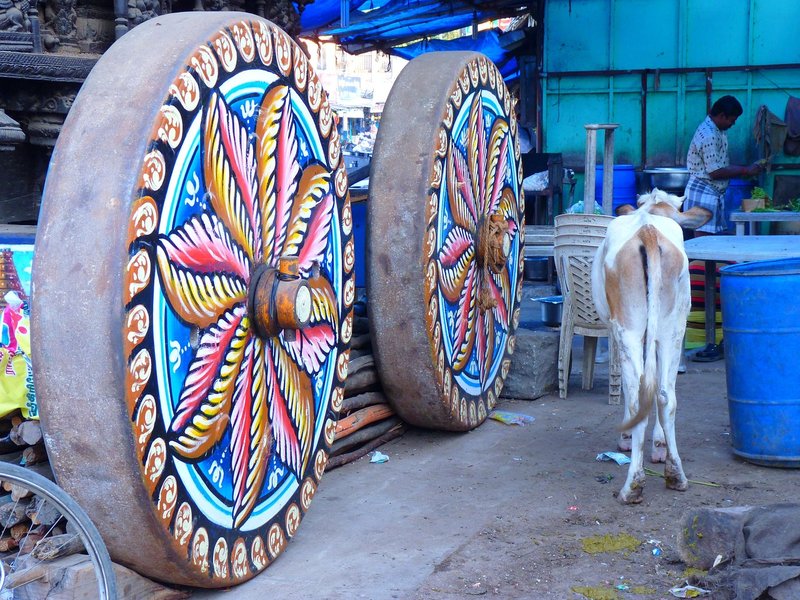
Hampi was the capital of the Vijayanagara empire, and its ruined temples, bazaars, royal enclosures and water works are spread across a boulder-strewn landscape on the banks of the Tungabhadra river. The Virupaksha Temple, still a living place of worship, and the Vijaya Vittala Temple, with its stone chariot, draw pilgrims and tourists in large numbers. A World Heritage listing brings global recognition, but it also comes with obligations: the country must protect what UNESCO calls the site's "outstanding universal value", and the World Heritage Committee can review how well it does so.
This visit is part of that review. Such missions, known as reactive monitoring missions, are sent when the committee has concerns about the state of a site. Hampi has been through this before: it was placed on the List of World Heritage in Danger in 1999 and removed in 2006, after conservation and planning steps were taken. The current concerns focus on development pressure, especially around Anjanadri hill, which tradition holds to be the birthplace of Hanuman and where the committee has asked for heritage impact assessments before any major decisions.
The parking advice may sound small, but it touches a sensitive point. The Salu Mantapa, the row of pillared pavilions along the old chariot street in front of the Virupaksha Temple, is itself part of the heritage. Parked cars and buses beside it affect both the monument and the view of the temple, and the experts themselves flagged congestion in the core zone. The experts' remark on overlapping departments points to the same issue: decisions about roads, buildings, tourism and temples are split between several central, state and district bodies.
| Monitoring visit | Detail |
|---|---|
| Started | October 24, 2026 |
| Areas inspected | Hampi, Anjanadri, Anegundi |
| Key advice | Move parking from the Salu Mantapa; scientific parking plan |
| Report due | In about six weeks, the deputy commissioner said |
Impact
Short-term: The district administration and heritage authorities are likely to act on parking and traffic first, since these were raised directly. Visitors may see changes to where vehicles can stop near the Virupaksha Temple.
Long-term: The team's report will feed into the World Heritage Committee's next review of Hampi. A positive report supports the site's standing; strong concerns, especially on Anjanadri, could lead to tighter conditions on new construction, more heritage impact assessments, and closer monitoring.
Who is affected: pilgrims and tourists visiting Hampi and Anjanadri; local traders, guides and transport operators who depend on visitor traffic; residents of villages within the heritage area; and the ASI, the state government and the area's management authority, which must answer the report.
Key Takeaway
UNESCO's experts left Hampi broadly satisfied with conservation but asked for parking to be moved away from the Salu Mantapa, and their report, due in about six weeks, will shape how development near Anjanadri is handled.
Questions and Answers
Why did a UNESCO team visit Hampi in October 2026?
The team, from the UNESCO World Heritage Centre and ICOMOS, came from October 24, 2026 to review conservation at the Hampi World Heritage Site, including concerns the World Heritage Committee had raised about development near Anjanadri.
What did the UNESCO experts say about Hampi?
According to Deputy Commissioner Kavitha S Mannikeri, they were satisfied with conservation work, but said parking near the Salu Mantapa in front of the Virupaksha Temple should be relocated and that a more scientific parking system was needed.
When will the UNESCO report on Hampi be ready?
The deputy commissioner said the team would submit its report in about six weeks, based on its site inspections and consultations with officials and stakeholders.
Has Hampi ever been on UNESCO's danger list?
Yes. Hampi was placed on the List of World Heritage in Danger in 1999 and was removed from it in 2006.
Disclaimer: Prepared by the Peepals newsroom from publicly available sources with AI assistance. Information is accurate to the best of our knowledge at the time of publication and may change. Images may be representative. Not professional advice. Report an error via our contact page.
By Ishita Sen, Culture & Heritage EditorCovers Culture & Heritage and more for Peepals Sanskriti. All stories by Ishita Sen
Get the day's stories in your inbox
Peepals Weekly: the week decoded, free. One email a week, unsubscribe in one click.
Ishita Sen is a pen name of the Peepals Global Editorial Team, which researches, fact-checks and publishes every story. The portrait is an illustration.