
Buddha's Piprahwa relics to tour Tawang, Bomdila, Namsai from October 31
 By Ishita SenCulture & Heritage Editor, Peepals Sanskriti
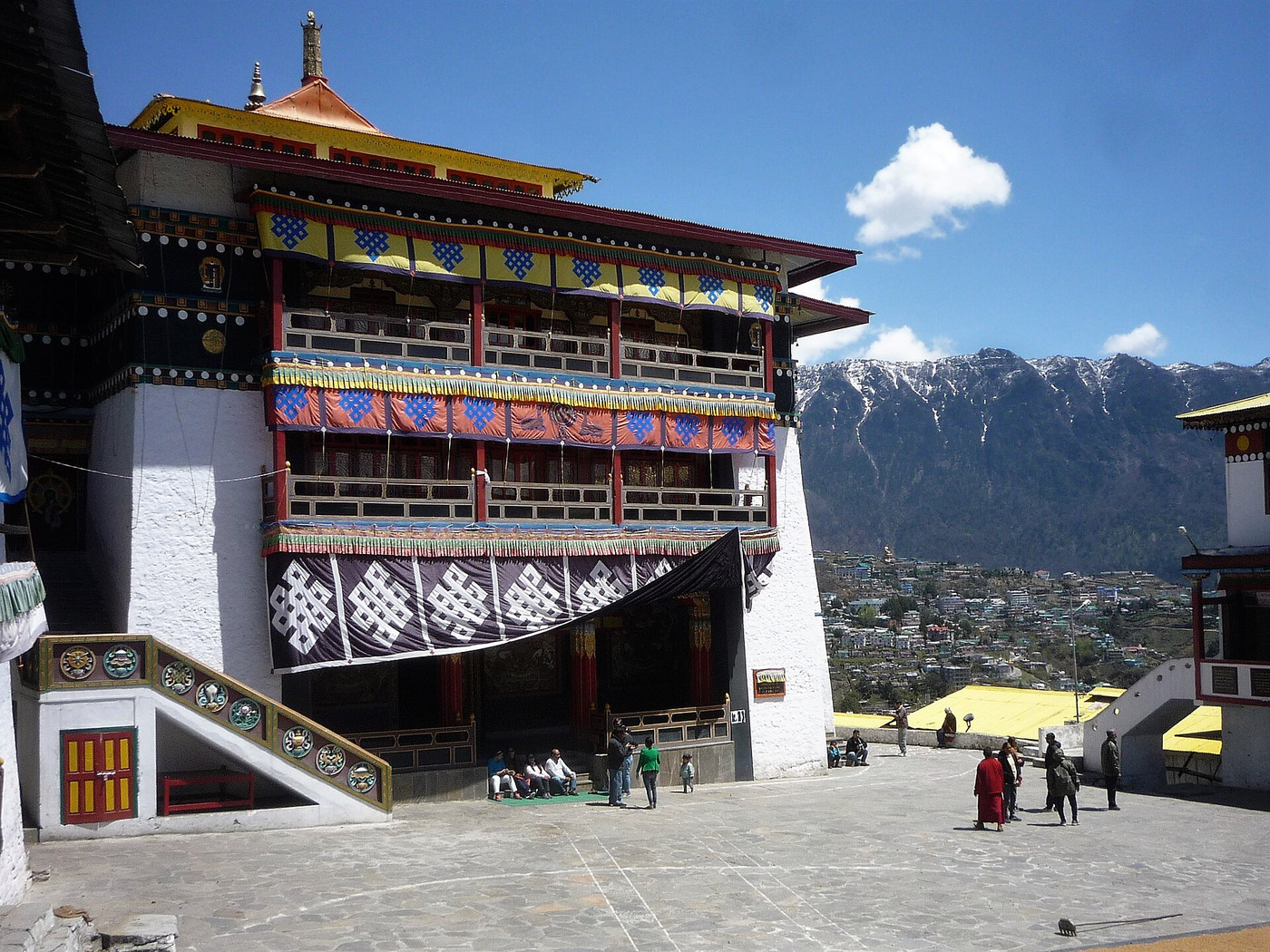
File photo: J P Dutt (CC BY-SA 4.0), via Wikimedia Commons
The Buddha's Piprahwa relics will be shown in Tawang, Bomdila and Namsai in Arunachal Pradesh from October 31 to November 21, 2026, the Culture Ministry says.
What Happened
The holy relics of the Buddha found at Piprahwa in Uttar Pradesh will be taken from the National Museum in New Delhi to Arunachal Pradesh for public veneration from October 31 to November 21, 2026, the Union Ministry of Culture has announced. Reports on October 28 and 29 said the relics will be shown at three places in turn: Tawang Monastery, Bomdila and the Golden Pagoda at Namsai. The exposition is being organised by the Culture Ministry with the Arunachal Pradesh government, the International Buddhist Confederation (IBC) and the National Museum, and it coincides with the Buddhist festival of Lhabab Duchen.
Key Facts
- Dates: October 31 to November 21, 2026.
- Tawang Monastery, Tawang district: October 31 to November 7.
- Bomdila, West Kameng district: November 8 to 13.
- Golden Pagoda (Kongmu Kham), Namsai district: November 14 to 20.
- The relics come from Piprahwa in Siddharthnagar district, Uttar Pradesh, a site linked with ancient Kapilavastu, and are kept at the National Museum in New Delhi.
- They will be flown in by a special Indian Air Force aircraft and helicopter, according to reports.
- The IBC will hold an exhibition titled "Unearthing the Sacred Piprahwa" on the discovery, history and return of the relics.
- Reports describe it as the first such exposition in Arunachal Pradesh in more than a decade.
Why It Matters
Relics linked to the Buddha are among the most revered objects in Buddhism. Showing them in public lets devotees offer prayers before them, an act Buddhists across traditions regard as an important form of devotion. Most people never have a chance to see such relics, because they are kept in museums or sacred sites far from where they live. Taking them to Arunachal Pradesh brings them to communities for whom the Buddhist faith is part of daily life.
The choice of venues follows the state's two main Buddhist traditions. Tawang and Bomdila are centres of Himalayan, or Mahayana, Buddhism, and Tawang Monastery is one of the best-known monasteries in India. The Golden Pagoda at Namsai serves the Theravada tradition followed by communities in the eastern part of the state. By moving the relics between them, the organisers are giving both traditions a share in the event.
The timing has a religious meaning too. Lhabab Duchen, also called Abhidharma Divas, is the Tibetan Buddhist festival that marks the Buddha's descent from a heavenly realm, according to tradition, and is one of the main days in the Tibetan Buddhist calendar. Holding the exposition during that period is expected to draw large numbers of pilgrims to Tawang.
The Piprahwa site itself has a long place in the study of early Buddhism, because of its link with Kapilavastu, the city associated with the Shakya clan into which the Buddha was born. The IBC's exhibition is meant to explain to visitors how the relics were found, what is known about them and how they came to be in the National Museum's care.
For Arunachal Pradesh, the event is also a chance to show its Buddhist heritage and its monasteries to visitors from the rest of India and abroad, at a time when the state is promoting faith-based and cultural tourism.
| Place | District | Dates in 2026 |
|---|---|---|
| Tawang Monastery | Tawang | October 31 to November 7 |
| Bomdila | West Kameng | November 8 to 13 |
| Golden Pagoda (Kongmu Kham) | Namsai | November 14 to 20 |
Impact
Short-term: Large numbers of devotees and visitors are expected at Tawang, Bomdila and Namsai over three weeks, and local administrations are preparing for the crowds and the movement of the relics.
Long-term: The exposition strengthens Arunachal Pradesh's place on India's Buddhist heritage map and may help draw more pilgrims and tourists to its monasteries.
Who is affected: Buddhist communities in Arunachal Pradesh and the wider Northeast, pilgrims from other states and countries, monasteries and local businesses at the three venues, and the National Museum, which looks after the relics.
Key Takeaway
The Buddha's Piprahwa relics will be on public view at Tawang, Bomdila and Namsai in Arunachal Pradesh from October 31 to November 21, 2026, during the Lhabab Duchen festival period.
Questions and Answers
When and where can people see the Buddha's Piprahwa relics in Arunachal Pradesh?
The relics will be at Tawang Monastery from October 31 to November 7, at Bomdila from November 8 to 13 and at the Golden Pagoda in Namsai from November 14 to 20, 2026.
What are the Piprahwa relics?
They are holy relics associated with the Buddha, found at Piprahwa in Siddharthnagar district of Uttar Pradesh, a site linked with ancient Kapilavastu. They are kept at the National Museum in New Delhi.
Who is organising the exposition?
The Union Ministry of Culture is organising it with the Arunachal Pradesh government, the International Buddhist Confederation and the National Museum.
Why is the exposition being held now?
It coincides with Lhabab Duchen, also called Abhidharma Divas, the Tibetan Buddhist festival that marks the Buddha's descent from a heavenly realm, according to tradition.
Disclaimer: Prepared by the Peepals newsroom from publicly available sources with AI assistance. Information is accurate to the best of our knowledge at the time of publication and may change. Images may be representative. Not professional advice. Report an error via our contact page.
By Ishita Sen, Culture & Heritage EditorCovers Culture & Heritage and more for Peepals Sanskriti. All stories by Ishita Sen
Hornbill Festival 2026: Nagaland seeks permit-free entry for foreign visitors
Vaikuntha Chaturdashi 2026 on November 23: why worship waits for midnight
Get the day's stories in your inbox
Peepals Weekly: the week decoded, free. One email a week, unsubscribe in one click.
Ishita Sen is a pen name of the Peepals Global Editorial Team, which researches, fact-checks and publishes every story. The portrait is an illustration.