
Netherlands proposes ban on ashwagandha in supplements; consultation till December 7
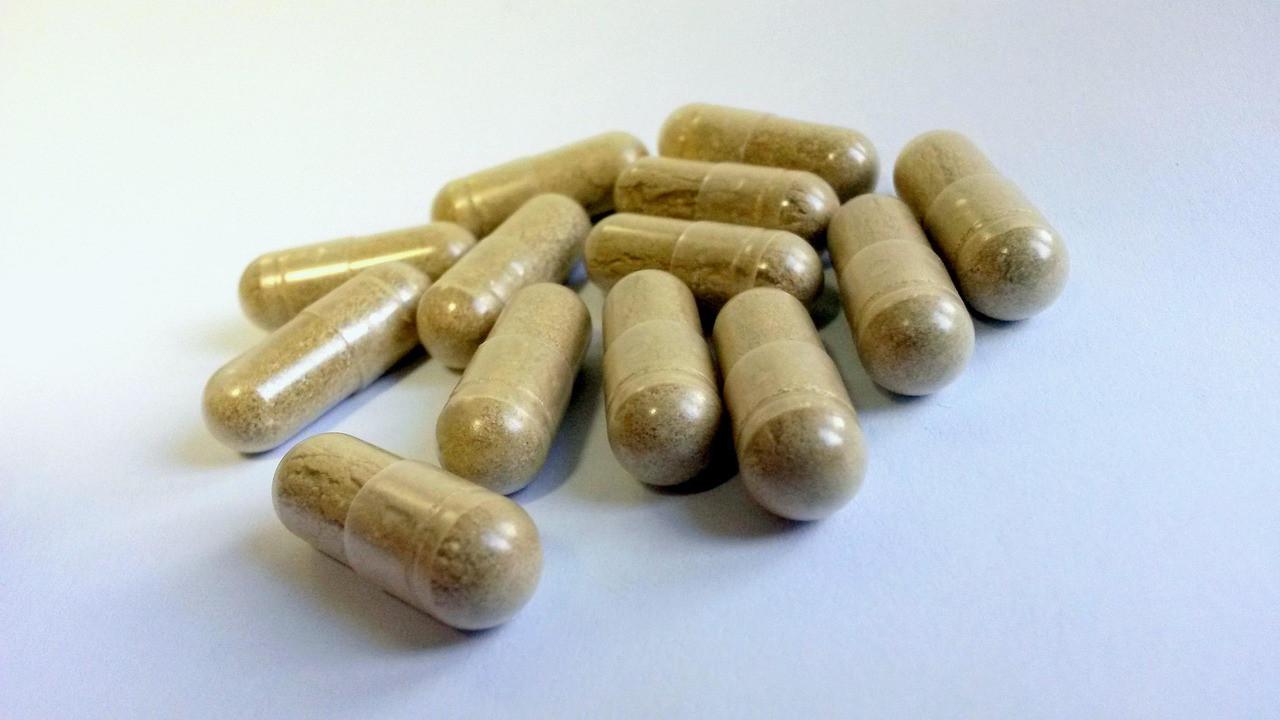
Representative image: gokalpiscan / Pixabay
Dutch draft rules reported on October 6, 2026 would ban ashwagandha and Huperzia in supplements; consultation runs until December 7, 2026.
What Happened
The Netherlands has put forward draft rules that would ban ashwagandha (Withania somnifera), the best-known herb of Ayurveda, from herbal preparations and food supplements sold in the country, citing potential health risks. The draft, reported on Tuesday, October 6, 2026, would also ban Huperzia serrata and its extract huperzine A, and cap black cohosh at 40 mg a day. It is open for public consultation until December 7, 2026. If adopted, the rules could take effect as early as the end of 2026, followed by a six-month transition period for businesses, according to trade press reports on the proposal.
Key Facts
- The Dutch draft would ban ashwagandha and Huperzia serrata, including huperzine A, in herbal preparations and food supplements.
- It would limit black cohosh to 40 mg per day.
- Public consultation on the draft runs until December 7, 2026.
- If adopted, the rules could apply from the end of 2026, with a six-month transition period for affected businesses.
- Products lawfully sold in other EU countries could still reach the Dutch market under the EU's mutual recognition principle, subject to health-protection exceptions.
- Denmark banned ashwagandha in food supplements in 2023 and France has also banned supplements containing it, according to industry reports; several other European countries require warning labels instead.
- India's food regulator FSSAI barred the use of ashwagandha leaves in supplements in April 2026, allowing only roots and root extracts, and flagged possible risks including liver toxicity.
Why It Matters
Ashwagandha has become one of the most widely sold Ayurvedic herbs in the world, marketed for stress, sleep and energy in capsules, gummies and powders. Its rise has drawn closer attention from food-safety regulators, who treat these products as supplements rather than medicines. In that framework a product does not have to prove it works, but it must be shown to be safe, and regulators in several European countries have been weighing reports of liver injury and questions about effects on hormones and pregnancy.
The Dutch move matters because it would add a third EU member state to the list of outright bans, rather than the warning labels and dose limits used elsewhere. Industry groups have opposed earlier Dutch plans and argued for dose limits and warnings instead of a ban. The Netherlands has consulted on an ashwagandha ban before, in 2025, so the final outcome is still open, and the current text may change after the consultation.
For India, the story has two sides. Ashwagandha is a significant export herb, and Europe is one of the markets where Indian growers, extract makers and Ayurvedic brands sell. Tighter rules there could push companies to invest more in safety data, standardised root extracts and clear labelling. At the same time, the regulatory direction in India and Europe is broadly similar: India's own food regulator has already restricted leaf use and limited supplements to the root, the part traditionally used in Ayurveda.
The wider lesson for the Ayush sector is that global acceptance depends on evidence that satisfies regulators, not on tradition alone. Well-designed safety trials, reporting of adverse events and consistent product quality are what decide whether a traditional herb stays on European shelves.
| Country or regulator | Approach to ashwagandha |
|---|---|
| Netherlands | Draft ban in supplements; consultation until December 7, 2026 |
| Denmark | Banned in food supplements since 2023 |
| France | Supplements containing it banned |
| India (FSSAI) | Leaves barred since April 2026; roots and root extracts allowed |
Impact
Short-term: Dutch sellers, importers and Indian exporters have until December 7 to make their case in the consultation. Consumers in the Netherlands can still buy existing products while the rules are under discussion.
Long-term: If the ban is adopted, more EU countries may review their stance, and exporters may need stronger safety dossiers to keep access to European markets.
Who is affected: Ayurvedic and supplement brands selling in Europe, Indian ashwagandha farmers and extract manufacturers, Dutch retailers and consumers, and regulators weighing herbal safety.
Key Takeaway
The Netherlands has proposed banning ashwagandha in supplements, with consultation open until December 7, 2026, adding pressure on the Ayurveda industry to back its best-known herb with safety evidence.
Questions and Answers
Has the Netherlands already banned ashwagandha?
Not yet. The ban is in draft form and open for consultation until December 7, 2026. If adopted, it could take effect from the end of 2026, with a six-month transition period.
Why do regulators want to restrict ashwagandha?
The Dutch draft cites potential health risks. In Europe and India, concerns raised about ashwagandha products have included reports of liver injury, and India's FSSAI has flagged liver toxicity among the risks of using the leaves.
Is ashwagandha banned in India?
No. In April 2026 FSSAI barred the use of ashwagandha leaves in supplements but continues to allow roots and root extracts.
Which other European countries restrict it?
Denmark banned ashwagandha in food supplements in 2023 and France has banned supplements containing it, according to industry reports, while some other countries require warning labels.
Disclaimer: Prepared by the Peepals newsroom from publicly available sources with AI assistance. Information is accurate to the best of our knowledge at the time of publication and may change. Images may be representative. Not professional advice. Report an error via our contact page.
Sourced and fact-checked by the Peepals Global Editorial Team
Thigh muscles go quiet after 25 minutes of unbroken sitting, Swinburne study finds
Navaratri idols leave Padmanabhapuram Palace for Thiruvananthapuram under royal sword
Reported, fact-checked and published by the Peepals Global Editorial Team.