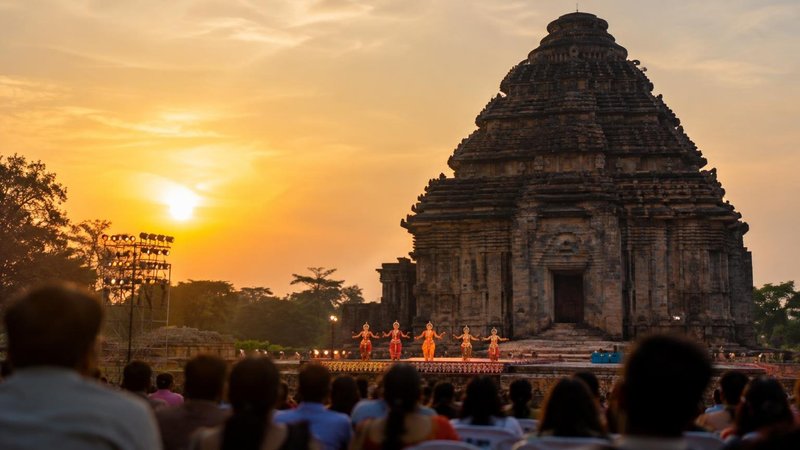

Navaratri idols leave Padmanabhapuram Palace for Thiruvananthapuram under royal sword
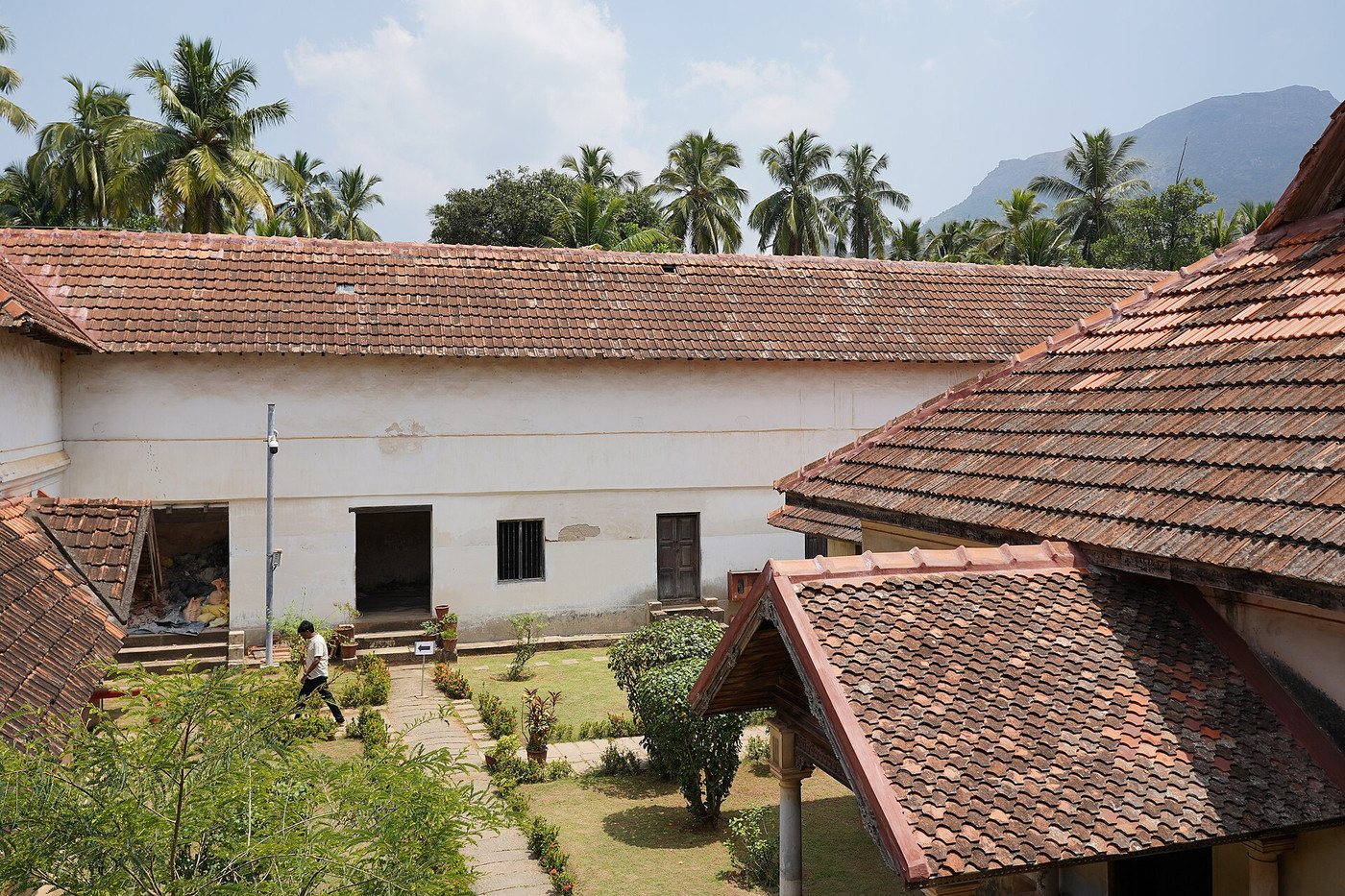
The Navaratri procession of the Saraswathi and two other idols left Padmanabhapuram Palace on October 9, 2026, for Thiruvananthapuram after the royal sword handover.
What Happened
One of south India's oldest Navaratri customs began again this week when the sacred idols of Goddess Saraswathi, Velimala Kumaraswamy and Munnoottinanga Devi set out from Padmanabhapuram Palace on Friday, October 9, 2026, on their journey to Thiruvananthapuram for the festival. The procession left after the traditional handover of the royal sword of the Travancore Maharaja at the palace's Uppirikka Malika, where the sword had been kept on a silk-covered pedestal, and after a guard of honour from the armed police of both Tamil Nadu and Kerala. The idols were due to reach East Fort in Thiruvananthapuram on the evening of Sunday, October 11, the first day of Navaratri, where pujas at the Sree Padmanabhaswamy temple mark the start of the festival in the capital.
Key Facts
- The procession began from Padmanabhapuram Palace on October 9, 2026.
- It carries the idols of Saraswathi, Velimala Kumaraswamy and Munnoottinanga Devi.
- It started with the ceremonial handover of the Travancore Maharaja's sword at the Uppirikka Malika.
- Armed police of Tamil Nadu and Kerala gave a guard of honour before departure.
- The idols were due at East Fort, Thiruvananthapuram, on the evening of October 11, 2026.
- Shardiya Navratri 2026 began on October 11.
- The state tourism department describes a ceremonial welcome by the Kerala government at the Tamil Nadu-Kerala border at Kaliyakkavilai as part of the custom.
Why It Matters
Padmanabhapuram Palace stands in Kanyakumari district of Tamil Nadu, yet each Navaratri it sends its most sacred idols to the capital of Kerala. That alone says a great deal about how south India's cultural map was drawn long before today's state lines. The palace was a seat of the Travancore royal family, and the procession keeps alive a link between the old kingdom's two centres that modern borders have not broken.
The ritual is also an unusual example of two states sharing one tradition. Police from Tamil Nadu and Kerala both salute the procession, and the Kerala government receives it at the border. Few festivals in India are carried across a state line in this formal way every year, with both governments taking part.
The choice of deities fits the meaning of Navaratri in Kerala, where the festival is closely tied to learning and the arts. Saraswathi, the goddess of knowledge, music and speech, is at the heart of the procession. In the days that follow, homes and temples in the state honour books, instruments and tools, and the festival ends with Vidyarambham, when young children are formally introduced to letters. A procession that carries Saraswathi to the capital at the start of the festival is the public, ceremonial side of those private family rites.
For readers elsewhere, it is a reminder that Navaratri is not one festival but many. In Gujarat it is garba, in Bengal it is Durga Puja, in Mysuru it is Dasara, and in this corner of the south it is a solemn journey of idols, a royal sword and two states' police guards.
| Detail | 2026 schedule |
|---|---|
| Departure | Padmanabhapuram Palace, Friday, October 9 |
| Idols | Saraswathi, Velimala Kumaraswamy, Munnoottinanga Devi |
| Royal sword handover | Uppirikka Malika, Padmanabhapuram Palace |
| Due in Thiruvananthapuram | East Fort, evening of Sunday, October 11 |
Impact
Short-term: Devotees and visitors in Thiruvananthapuram gather for the arrival of the idols and the Navaratri pujas that follow, and roads along the route see crowds and traffic arrangements during the procession.
Long-term: Keeping the full ceremony, from the sword handover to the joint police guard, helps preserve a shared Tamil Nadu-Kerala heritage that would otherwise survive only in history books, and gives both states a living tradition to protect.
Who is affected: Devotees in Kanyakumari district and Thiruvananthapuram; the temple and palace authorities who organise the procession; police in both states; and families preparing for the learning rituals of Navaratri.
Key Takeaway
Every Navaratri, idols from a Travancore palace in Tamil Nadu travel to Kerala's capital under a royal sword and two states' guard, keeping a shared heritage alive.
Questions and Answers
When did the 2026 Navaratri idol procession start?
It left Padmanabhapuram Palace in Kanyakumari district on Friday, October 9, 2026, and was due at East Fort, Thiruvananthapuram, on the evening of Sunday, October 11.
Which idols are carried in the procession?
The idols of Goddess Saraswathi, Velimala Kumaraswamy and Munnoottinanga Devi are taken to Thiruvananthapuram for Navaratri.
What is the significance of the royal sword?
The sword of the Travancore Maharaja is formally handed over at the palace's Uppirikka Malika before the procession leaves, a ceremony that links the custom to the old Travancore royal tradition.
Why do both Tamil Nadu and Kerala take part?
Padmanabhapuram Palace lies in Tamil Nadu while the destination is Kerala's capital, so armed police of both states give a guard of honour, and the custom includes a welcome by the Kerala government at the border.
Disclaimer: Prepared by the Peepals newsroom from publicly available sources with AI assistance. Information is accurate to the best of our knowledge at the time of publication and may change. Images may be representative. Not professional advice. Report an error via our contact page.
Sourced and fact-checked by the Peepals Global Editorial Team
Netherlands proposes ban on ashwagandha in supplements; consultation till December 7
Sambalpur university collects nearly 1,000 palm-leaf manuscripts from Odisha villages
Reported, fact-checked and published by the Peepals Global Editorial Team.