
NCISM withholds 2026-27 recognition from 61 Ayurveda colleges over gaps

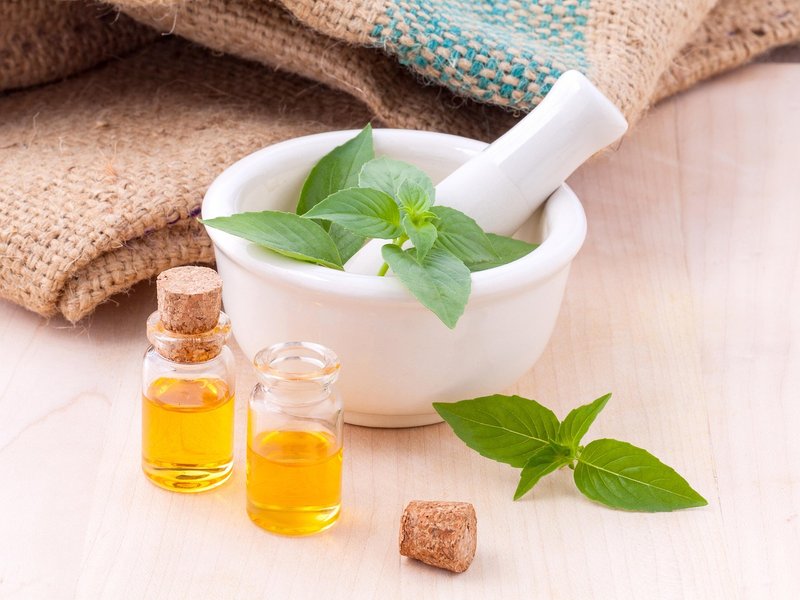
Representative image: avantrend / Pixabay
NCISM has withheld 2026-27 recognition from 61 Ayurveda colleges over inspection, hospital and staffing gaps, with 494 recognised, according to reports by 13 October 2026.
What Happened
The National Commission for Indian System of Medicine (NCISM), the regulator for Ayurveda, Siddha, Unani and Sowa-Rigpa education, has withheld recognition for the 2026-27 academic session from 61 Ayurveda colleges across India for failing to meet its standards, according to Ayush Medical Association national spokesperson Dr Rakesh Pandey, in remarks reported by Tuesday, 13 October 2026. He said 12 of the colleges are in Madhya Pradesh, and that recognition has been granted to 494 of the country's more than 600 Ayurveda colleges. The lapses cited include refusal to allow inspections, shortcomings in hospital inpatient and outpatient services, and too few teaching staff. A report about a week earlier had put the number of colleges awaiting recognition at 56, showing that the list has been changing as the Commission works through the session's approvals.
Key Facts
- Recognition for 2026-27 has been withheld from 61 Ayurveda colleges, according to Dr Rakesh Pandey of the Ayush Medical Association.
- Recognition has been granted to 494 of more than 600 Ayurveda colleges nationwide, he said.
- Twelve of the colleges whose recognition is on hold are in Madhya Pradesh, according to the same account.
- Reasons cited include refusing inspections, deficiencies in inpatient and outpatient departments, and inadequate teaching staff.
- An earlier report, about a week old, said recognition was on hold for 56 colleges nationally, including 10 private colleges in Madhya Pradesh.
- All seven government Ayurveda colleges in Madhya Pradesh received conditional recognition for 2026-27, clearing admissions to about 640 seats, according to that earlier report.
- Admission counselling for Ayush undergraduate courses is still under way, with Round 3 registration opening on 14 October.
Why It Matters
The Bachelor of Ayurvedic Medicine and Surgery (BAMS) is one of the most popular routes into a medical career after NEET-UG for students who do not get an MBBS seat. Every year thousands of students choose Ayurveda colleges, many of them private. Recognition from NCISM is what allows a college to admit students for the session and makes its degree valid for registration as a practitioner. A college without recognition cannot legally take in a new batch.
The Commission's action is part of a wider push to raise standards in Ayush education. Its inspections look at whether colleges have the faculty, the attached hospital, and the patient load that the regulations require. Ayurveda teaching depends heavily on clinical exposure in the college hospital, and a college with empty wards or too few teachers cannot train doctors properly. NCISM has also warned colleges that they risk losing recognition if they do not use Aadhaar-enabled biometric attendance, a step meant to show that the teachers on their rolls are actually present.
For students and parents, the timing matters. The action comes while counselling is in progress. Students choosing colleges in Round 3 and in state rounds should check that a college appears on the current list of recognised institutions before paying fees or reporting for admission. The figures have shifted from week to week as colleges comply and are cleared, so the latest official list is the safest guide.
| Measure | Reported figure |
|---|---|
| Ayurveda colleges with recognition withheld (latest) | 61 |
| Of which in Madhya Pradesh | 12 |
| Ayurveda colleges recognised for 2026-27 | 494 |
| Total Ayurveda colleges in India | More than 600 |
| Earlier count of colleges on hold (about a week before) | 56 |
Impact
Short-term: Colleges on the withheld list cannot admit new BAMS students for 2026-27 unless they fix the shortcomings and win recognition; students in counselling have fewer seats to choose from in affected states.
Long-term: Stricter checks could push weaker private colleges to invest in faculty and hospitals or close, which may improve the quality of Ayurveda graduates but also reduce seat numbers in some regions.
Who is affected: BAMS aspirants and their families, private Ayurveda college managements, current students at colleges under scrutiny, State counselling authorities, and patients who rely on Ayurveda college hospitals.
Key Takeaway
NCISM has withheld 2026-27 recognition from 61 Ayurveda colleges over gaps in inspections, hospitals and staff, so BAMS aspirants should check the current recognised list before taking a seat.
Questions and Answers
How many Ayurveda colleges have lost recognition for 2026-27?
Recognition has been withheld from 61 Ayurveda colleges, according to Ayush Medical Association spokesperson Dr Rakesh Pandey, while 494 of more than 600 colleges have been recognised. A week earlier the number on hold was reported as 56.
Why did NCISM withhold recognition?
The reasons cited include colleges refusing to allow inspections, deficiencies in hospital inpatient and outpatient services, and inadequate teaching staff.
Can a college without recognition admit BAMS students?
No. A college needs NCISM recognition for the session to admit new students, and students should confirm a college is on the current recognised list before paying fees.
Which State is most affected?
Madhya Pradesh has 12 of the 61 colleges, according to the latest account, although all seven government Ayurveda colleges in the State received conditional recognition.
Disclaimer: Prepared by the Peepals newsroom from publicly available sources with AI assistance. Information is accurate to the best of our knowledge at the time of publication and may change. Images may be representative. Not professional advice. Report an error via our contact page.
Sourced and fact-checked by the Peepals Global Editorial Team
London Durga Puja to honour Akashvani centenary at Ealing festival, October 16-18
Rakhigarhi shows how India's knowledge traditions evolved, Vasant Shinde says at IIAS
Reported, fact-checked and published by the Peepals Global Editorial Team.