NIIMH Hyderabad trains scholars to read Telugu Ayurvedic palm-leaf manuscripts
 By Ananya RaoAyush & Wellness Correspondent, Peepals Sanskriti
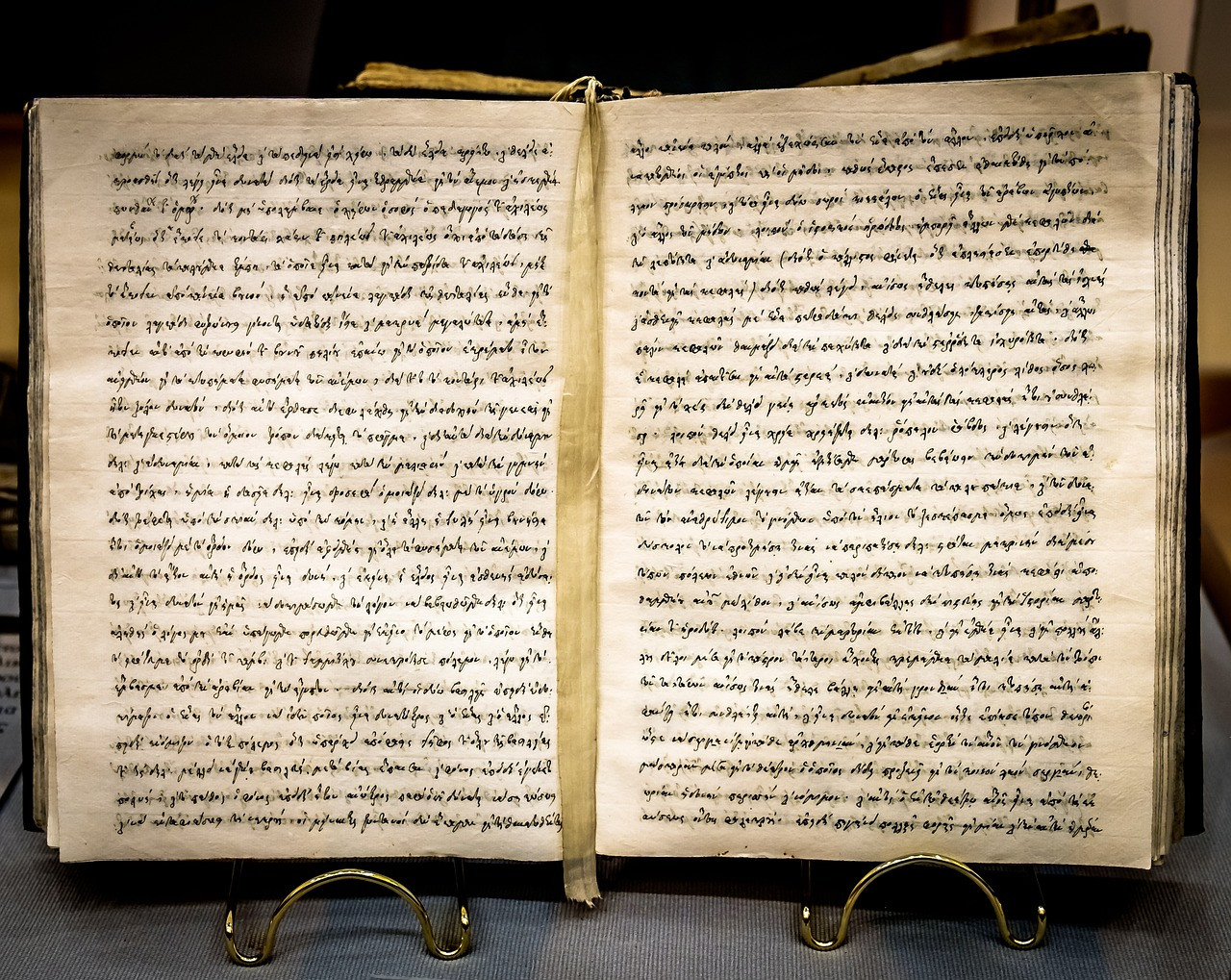
Representative image: Atlantios / Pixabay
A CCRAS workshop at NIIMH Hyderabad, held October 26-28, 2026, trained researchers to transcribe and critically edit Telugu palm-leaf and paper manuscripts on Ayurveda.
What Happened
A three-day workshop to train researchers in reading, transcribing and editing old Telugu manuscripts on Ayurveda ended on Wednesday, October 28, 2026, at the National Institute of Indian Medical Heritage (NIIMH) in Hyderabad. The workshop, held from October 26 to 28, was organised by the institute's Centre of Excellence in Medico-Historical Studies and Indian Medical Heritage under the Central Council for Research in Ayurvedic Sciences (CCRAS), which works under the Ministry of Ayush. It focused on medical knowledge preserved in Telugu palm-leaf and paper manuscripts.
Key Facts
- Event: three-day workshop on Telugu Ayurvedic manuscript transcription and editing, October 26 to 28, 2026.
- Venue: auditorium of CCRAS-NIIMH, Hyderabad.
- Organiser: the Centre of Excellence in Medico-Historical Studies and Indian Medical Heritage at NIIMH.
- Skills taught: deciphering old script, transcribing, analysing and critically editing palm-leaf and paper manuscripts.
- Speakers: CCRAS Director General Prof. Rabinarayan Acharya at the opening, and Deputy Director General Dr N. Srikanth.
- Resource persons: they included a conservator from the Tirumala Tirupati Devasthanams (TTD) library in Tirupati and an expert in Indic manuscriptology.
- NIIMH's role: CCRAS's nodal unit for manuscript work, recognised by the World Health Organization as a Collaborating Centre for fundamental and literary research in traditional medicine for four years from June 3, 2024.
Why It Matters
Much of what is known about Ayurveda's history sits not in printed books but in manuscripts: texts written by hand on dried palm leaves or on paper, often centuries old, kept in temples, libraries, monasteries and family collections. Many are in regional languages and old scripts that few people can now read. They decay with heat, damp and insects, and once a leaf crumbles its contents are lost. Telugu manuscripts are an important part of this record in the southern states.
Reading such a text is specialist work. A transcriber has to recognise old letter forms and the scribe's habits, then copy the text faithfully into a modern script. "Critical editing" goes a step further: the editor compares different copies of the same work, notes where they differ and prepares the most reliable version, with notes. Without trained people, manuscripts can be scanned and stored but not actually read or studied. That is the gap workshops of this kind are meant to fill. According to the report of the event, the organisers described it as building the skills researchers need for the systematic study and preservation of India's medical heritage, and Dr Srikanth spoke of the need to bring out the therapeutic knowledge held in these old texts.
It is worth keeping belief and evidence apart. A remedy described in a manuscript is a record of what physicians of the time practised and believed; it is not proof that the remedy works. Editing and publishing such texts makes them available to historians and scientists, who can then study and, where appropriate, test them. Any health claim would still need modern research.
| Detail | NIIMH, Hyderabad |
|---|---|
| Parent body | Central Council for Research in Ayurvedic Sciences, Ministry of Ayush |
| Upgraded to national institute | December 15, 2009 |
| Own campus | Gaddiannaram, Hyderabad, since February 2013 |
| WHO recognition | Collaborating Centre, four years from June 3, 2024 |
| Mandate | collecting, transcribing, editing and publishing rare medical manuscripts |
The institute also runs the Ayush Manuscript Advanced Repository (AMAR), an online catalogue that, according to a paper in the council's Journal of Indian Medical Heritage, lists 4,676 manuscripts in scripts including Telugu, Kannada, Malayalam, Marathi, Arabic and Persian. Training more people to read them is the step that turns a catalogue into usable knowledge.
Impact
Short-term: The researchers and scholars who attended now have hands-on training in reading and editing Telugu medical manuscripts, which they can apply to collections in libraries and institutions.
Long-term: More trained transcribers and editors could mean more critical editions of Telugu Ayurvedic texts, making a regional body of medical history available in print and online for historians and researchers.
Who is affected: Ayurveda researchers and students; manuscript libraries and temple collections such as those in Tirupati; historians of science and medicine; and readers interested in India's medical heritage.
Key Takeaway
A CCRAS workshop at NIIMH Hyderabad from October 26 to 28, 2026 trained researchers to transcribe and critically edit Telugu palm-leaf and paper manuscripts on Ayurveda, part of the council's work to preserve India's medical heritage.
Questions and Answers
What was the Telugu Ayurvedic manuscripts workshop at NIIMH Hyderabad?
It was a three-day training programme, held from October 26 to 28, 2026, at the National Institute of Indian Medical Heritage in Hyderabad, that taught researchers to decipher, transcribe, analyse and critically edit Ayurvedic knowledge in Telugu palm-leaf and paper manuscripts.
Who organised the workshop?
The Centre of Excellence in Medico-Historical Studies and Indian Medical Heritage at CCRAS-NIIMH, Hyderabad, which comes under the Central Council for Research in Ayurvedic Sciences and the Ministry of Ayush.
What does critical editing of a manuscript mean?
It means comparing different handwritten copies of the same text, recording where they differ, and preparing the most reliable version with notes, so that scholars can read and study it accurately.
Do the remedies in these manuscripts work?
The manuscripts record what physicians practised and believed in their time. Editing them makes the texts available for study, but whether any remedy is safe or effective can only be shown by modern scientific research.
Disclaimer: Prepared by the Peepals newsroom from publicly available sources with AI assistance. Information is accurate to the best of our knowledge at the time of publication and may change. Images may be representative. Not professional advice. Report an error via our contact page.
By Ananya Rao, Ayush & Wellness CorrespondentCovers Ayush and more for Peepals Sanskriti. All stories by Ananya Rao
Get the day's stories in your inbox
Peepals Weekly: the week decoded, free. One email a week, unsubscribe in one click.
Ananya Rao is a pen name of the Peepals Global Editorial Team, which researches, fact-checks and publishes every story. The portrait is an illustration.