
Tatarstan to get its first Ayurvedic centre under Kazan forum deal
 By Ananya RaoAyush & Wellness Correspondent, Peepals Sanskriti
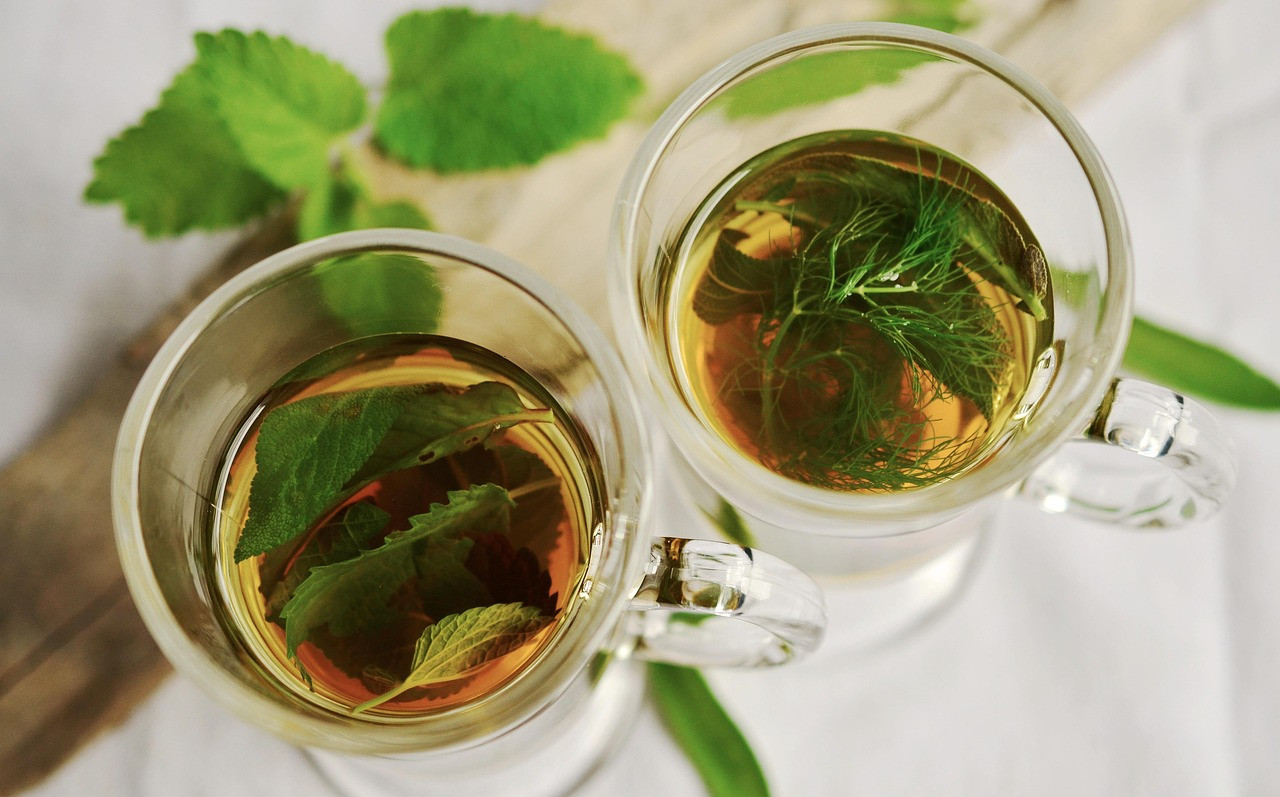
Representative image: congerdesign / Pixabay
An agreement signed at the Kazan India-Russia Business Forum will give Russia's Tatarstan its first Ayurvedic centre, a pilot due by 2028, a report said on October 24, 2026.
What Happened
Russia's Republic of Tatarstan is set to get its first Ayurvedic centre, in the Zelenodolsk district, under an agreement signed at the second Kazan India-Russia Business Forum, according to a report published on October 24, 2026. The agreement brings together India's SriSri Tattva, the Accurately Group and the Tatarstan Investment Development Agency, and construction of the centre is expected to be finished by 2028. Taliya Minullina, chief executive of the Tatarstan agency, has described the project as a small pilot to test local demand for traditional Indian medicine.
Key Facts
- Project: the first Ayurvedic centre in the Republic of Tatarstan, Russia, to be built in the Zelenodolsk district.
- Parties: SriSri Tattva of India, the Accurately Group and the Tatarstan Investment Development Agency.
- Where it was agreed: the second Kazan India-Russia Business Forum, held in Kazan from October 14 to 17, 2026.
- Timeline: construction expected to be completed by 2028.
- Status: described by Taliya Minullina, CEO of the Tatarstan Investment Development Agency, as a small pilot; its results will show whether demand supports a larger network of traditional-medicine services.
- Workforce: Minullina said a new India-Russia framework on temporary employment could help eligible Indian Ayurvedic practitioners work in Russia, subject to qualification and training requirements.
- Wider forum: organisers reported 26 cooperation agreements at the 2026 forum, up from 19 at the first edition in 2025.
Why It Matters
A centre backed by a regional government's investment agency in Russia ties Ayurveda to an official business and diplomatic channel between the two countries. Tatarstan, whose capital is Kazan, has been using the business forum to build ties with Indian companies, and the Ayurvedic centre is one of the more unusual results.
The pilot model is a sensible test. Minullina's description makes clear that the region wants to see whether residents will actually use traditional Indian medicine before committing to more. That approach keeps the project small and measurable, and its success or failure will be judged by demand rather than by announcements.
The workforce point may matter most for India. If a temporary-employment framework between the two countries lets qualified Ayurvedic practitioners take jobs in Russia, it opens a small overseas career path for graduates of Indian Ayurveda colleges. Minullina was careful to say that this would depend on qualification and training requirements, so it is not an open door, and the details of how Russia would recognise Indian Ayurveda degrees are not yet public.
For Sanskriti readers, the story is a reminder of how India's traditional knowledge systems travel. The Ministry of Ayush says India has signed 27 country-to-country agreements on traditional medicine and set up 46 Ayush Information Cells in 43 nations. Projects like this one show that the next step is often commercial: an Indian company, a foreign government agency and a business forum. As with any traditional health system, how the centre presents its services, and whether it stays within Russia's health rules, will decide how it is received.
| Detail | Information |
|---|---|
| Location | Zelenodolsk district, Tatarstan, Russia |
| Indian partner | SriSri Tattva |
| Russian partner | Tatarstan Investment Development Agency |
| Forum | 2nd Kazan India-Russia Business Forum, October 14-17, 2026 |
| Completion target | 2028 |
Impact
Short-term: The parties move from agreement to planning and construction in Zelenodolsk. Indian Ayurvedic practitioners will watch for details of the temporary-employment framework Minullina mentioned.
Long-term: If the pilot finds steady demand, Tatarstan has said it could expand into a larger network of traditional-medicine services, which would widen the market for Indian Ayurveda companies and practitioners in Russia.
Who is affected: Indian Ayurveda companies and practitioners, residents of Tatarstan interested in traditional medicine, the Tatarstan regional government, and businesses involved in India-Russia trade.
Key Takeaway
An agreement signed at the Kazan India-Russia Business Forum will give Tatarstan its first Ayurvedic centre, a pilot due for completion by 2028 that will test Russian demand for traditional Indian medicine.
Questions and Answers
Where will Tatarstan's first Ayurvedic centre be built?
In the Zelenodolsk district of the Republic of Tatarstan, Russia, under an agreement signed at the second Kazan India-Russia Business Forum in October 2026. Construction is expected to be completed by 2028.
Who is behind the Ayurvedic centre in Kazan's region?
The agreement involves India's SriSri Tattva, the Accurately Group and the Tatarstan Investment Development Agency, whose chief executive, Taliya Minullina, has described it as a small pilot.
Will Indian Ayurveda doctors be able to work there?
Possibly. Minullina said a new India-Russia framework on temporary employment could help eligible Indian Ayurvedic practitioners work in Russia, but only if they meet qualification and training requirements, which have not yet been published.
Is the centre making any health claims?
No specific services or treatments have been announced. The project is described as a pilot to test whether there is local demand for traditional Indian medicine.
Disclaimer: Prepared by the Peepals newsroom from publicly available sources with AI assistance. Information is accurate to the best of our knowledge at the time of publication and may change. Images may be representative. Not professional advice. Report an error via our contact page.
By Ananya Rao, Ayush & Wellness CorrespondentCovers Ayush and more for Peepals Sanskriti. All stories by Ananya Rao
Ananya Rao is a pen name of the Peepals Global Editorial Team, which researches, fact-checks and publishes every story. The portrait is an illustration.