WHO at World Health Summit: integrate traditional medicine, but with evidence
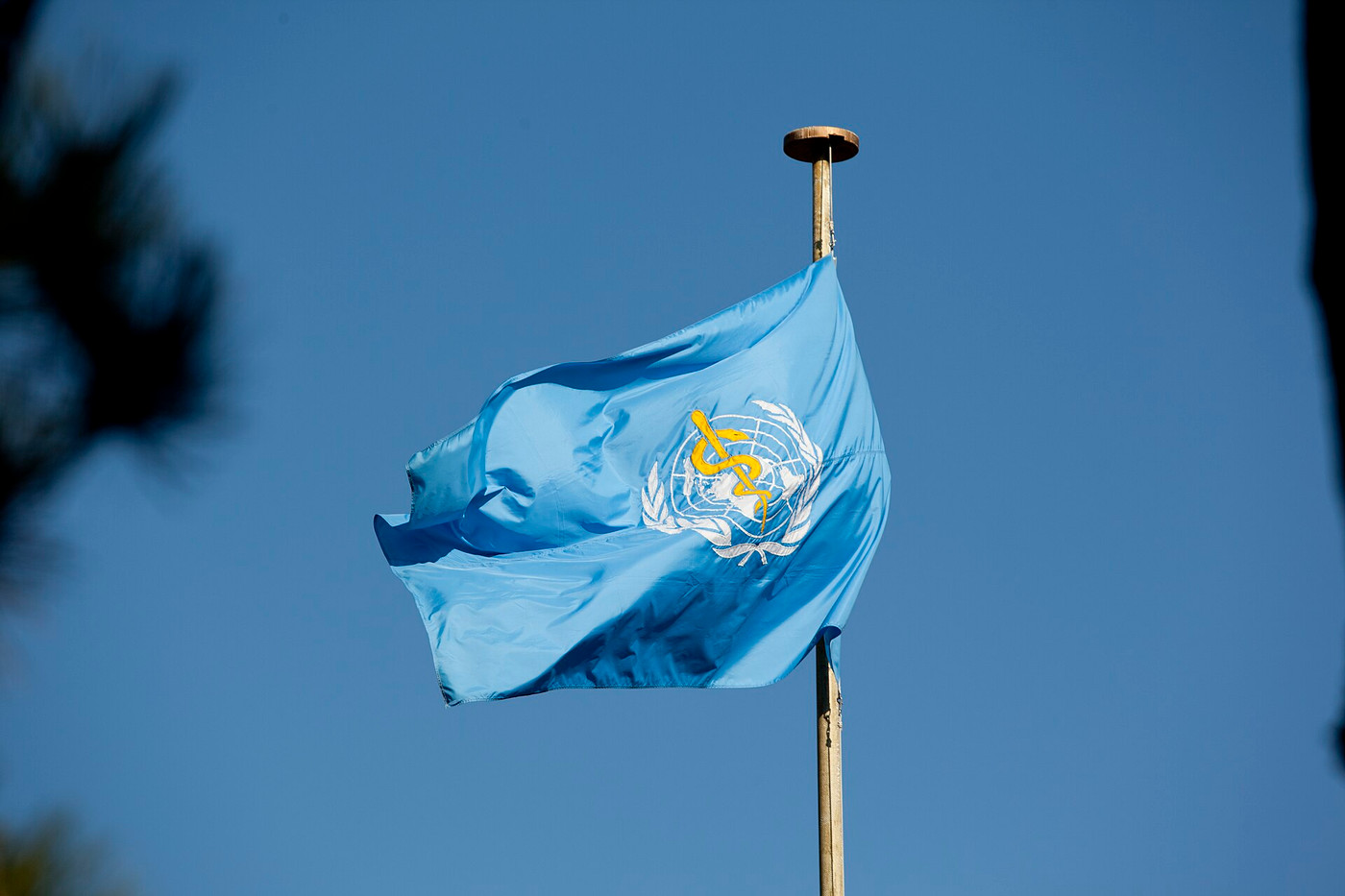
File photo: United States Mission Geneva (CC BY 2.0), via Wikimedia Commons
WHO's report of October 19, 2026 on a World Health Summit session calls for traditional medicine to join health systems, backed by evidence and regulation.
What Happened
The World Health Organization (WHO) on October 19, 2026 published its account of a session on traditional medicine held at the World Health Summit 2026 in Berlin, where speakers called for traditional medicine to move from being valued in principle to being fully built into national health systems. The session, "Building Resilient Health Systems: Unlocking the Public Health Potential of Traditional Medicine", took place on October 11, 2026. Dr Shyama Kuruvilla, acting director of the WHO Global Traditional Medicine Centre, used it to present WHO's emerging Living Well initiative, which the organisation describes as a platform linking traditional knowledge with science.
Key Facts
- Event: World Health Summit 2026 in Berlin; the traditional medicine session was held on Sunday, October 11, from 14:00 to 15:30.
- WHO published its report on the session on October 19, 2026.
- The session was opened by Tunisia's Health Minister, Dr Mustapha Ferjani.
- Dr Shyama Kuruvilla, acting director of the WHO Global Traditional Medicine Centre, gave the main WHO remarks.
- The discussion was moderated by Dr Hiba Boujnah of Charité's CCCTIM, a traditional and integrative medicine centre in Berlin.
- Format: an interactive "fishbowl" discussion with representatives of WHO, publishing, governments, and Indigenous and community groups.
- Conditions named for integration: stronger evidence, protection of Indigenous knowledge, and partnerships between traditional, public health and biomedical systems.
Why It Matters
The World Health Summit is one of the main yearly meeting points for health ministers, researchers and global health agencies. A dedicated session on traditional medicine there shows the subject moving from the margins of global health discussion towards its centre, a shift India has supported through the Ministry of Ayush.
The message from the session was balanced, and that balance matters for Ayush. Speakers argued that traditional medicine can contribute to prevention, primary care, mental well-being and community resilience, but only when it rests on solid evidence and proper regulation, and when traditional, public health and biomedical systems work together. For Ayurveda, Yoga, Unani, Siddha and Homoeopathy, that sets the test: wider access has to come with research and quality standards behind it. It is also a reminder that no system gets a place in national health plans on tradition alone.
The WHO Global Traditional Medicine Centre, whose acting director led the WHO remarks, is based in Jamnagar in Gujarat, which gives India a direct stake in how this agenda develops. Dr Kuruvilla described resilience as building capacity in people, communities, health systems and the environment, and presented the Living Well initiative as WHO's vehicle for connecting traditional knowledge with scientific research. The WHO report does not set out the initiative's scope, funding or timeline.
The emphasis on protecting Indigenous knowledge is the other notable thread. Much traditional medicine is held by communities rather than written in textbooks, and speakers said integration must not come at the cost of those communities' rights over their knowledge.
| Theme | What speakers said it needs |
|---|---|
| Prevention and primary care | Solid evidence of benefit and safety |
| Integration into national systems | Regulation and cross-sector partnerships |
| Indigenous knowledge | Protection of communities' rights |
| Science and tradition | WHO's Living Well initiative as a link |
Impact
Short-term: The session adds weight to WHO's push, under its traditional medicine strategy, for countries to set evidence and regulation standards before integrating traditional practices into public health services.
Long-term: If the Living Well initiative takes shape, it could become a channel for research partnerships in which Indian institutions, through the Jamnagar centre, play a leading part. Countries that integrate traditional medicine will be judged on the quality of their evidence and regulation.
Who is affected: Ayush practitioners and researchers in India, health ministries working on integrated care, traditional and Indigenous healers whose knowledge is at stake, and patients who use traditional medicine alongside conventional treatment.
Key Takeaway
At the World Health Summit, WHO and partners called for traditional medicine to be fully integrated into health systems, but only with stronger evidence, regulation and protection of Indigenous knowledge.
Questions and Answers
What did WHO say about traditional medicine at the World Health Summit 2026?
In its report published on October 19, 2026, WHO said the Berlin session concluded with a call to move from valuing traditional medicine in principle to fully integrating it into national health systems, backed by stronger evidence, protection of Indigenous knowledge and partnerships across health systems.
What is WHO's Living Well initiative?
It is an emerging WHO initiative, presented at the session by Dr Shyama Kuruvilla, acting director of the WHO Global Traditional Medicine Centre, as a platform linking traditional knowledge with science. The WHO report does not set out its full details.
Why does this matter for Ayush in India?
The WHO Global Traditional Medicine Centre is based in Jamnagar, Gujarat. The session's stress on evidence and regulation matches the conditions Ayush systems must meet to be accepted in health systems worldwide.
Does the WHO statement say traditional medicine can treat diseases?
No. Speakers said traditional medicine can contribute to prevention, primary care, mental well-being and community resilience when it is supported by robust evidence and effective regulation. It makes no claim that any traditional remedy cures a disease.
Disclaimer: Prepared by the Peepals newsroom from publicly available sources with AI assistance. Information is accurate to the best of our knowledge at the time of publication and may change. Images may be representative. Not professional advice. Report an error via our contact page.
Sourced and fact-checked by the Peepals Global Editorial Team
J&K food safety drive: 213 samples, mostly edible oils, sent for tests
Sri Lanka to amend 1961 Ayurveda Act to tighten rules, ease exports
Reported, fact-checked and published by the Peepals Global Editorial Team.