
New Zealand's India Iconic Work Visa opens 200 places for Ayush practitioners
 By Ananya RaoAyush & Wellness Correspondent, Peepals Sanskriti
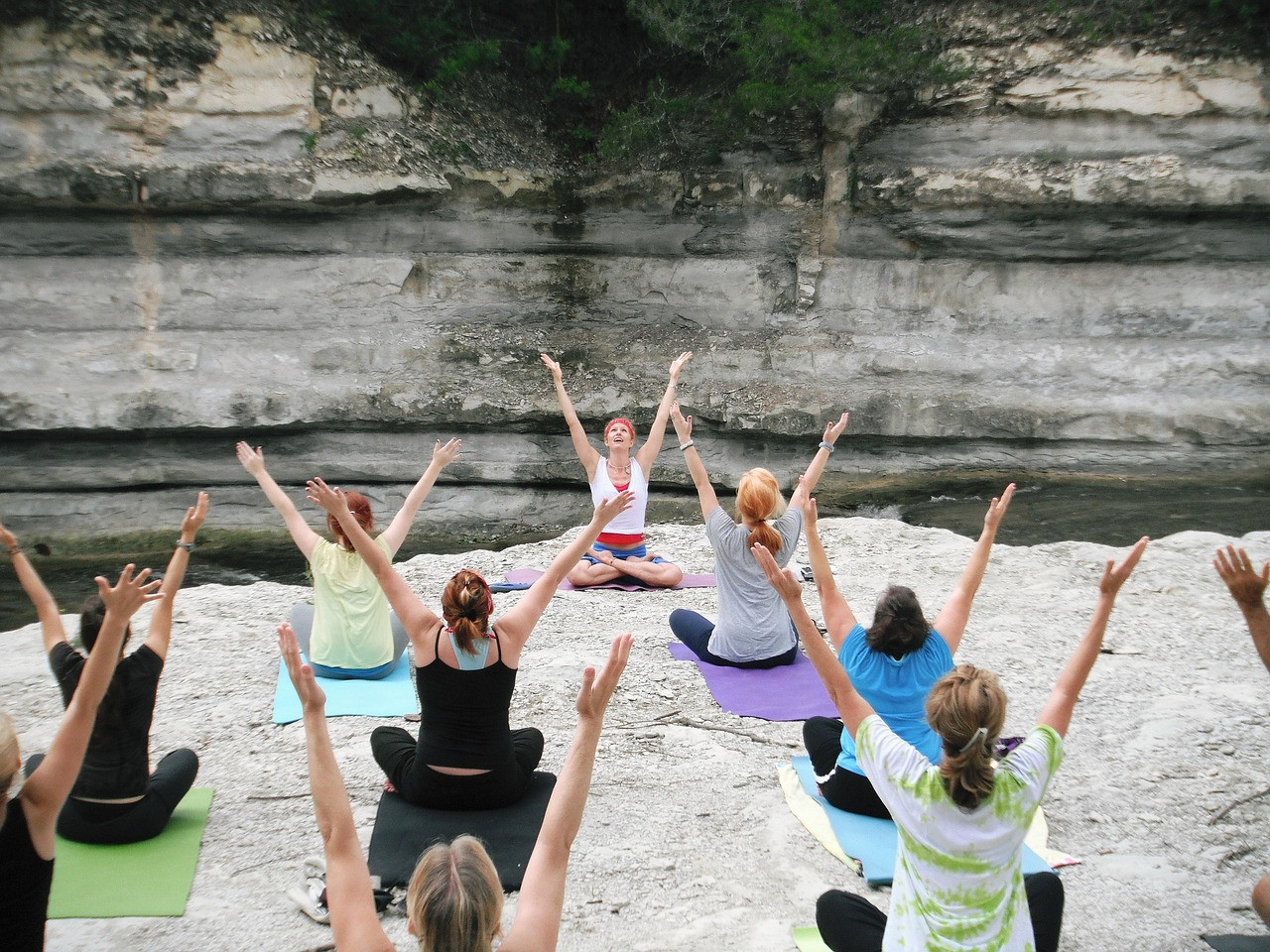
Representative image: janeb13 / Pixabay
New Zealand's India Iconic Work Visa, in force from October 20, 2026, offers up to 200 places for Indian Ayush practitioners and 100 for yoga instructors.
What Happened
New Zealand has opened up to 200 work visa places for Indian Ayush practitioners, along with 100 for yoga instructors, under a new India Iconic Work Visa that came into effect on October 20, 2026, when the India-New Zealand free trade agreement entered into force. The visa, which also covers Indian chefs and music teachers, lets qualified Indian citizens with a job offer from an accredited New Zealand employer work there for up to three years.
Key Facts
- Visa: the India Iconic Work Visa, available from October 20, 2026, under the India-New Zealand free trade agreement.
- Places: up to 600 in total, made up of 200 for Ayush practitioners, 100 for yoga instructors, 250 for chefs and 50 for music teachers.
- Ayush covers: Ayurveda, Naturopathy, Unani, Siddha, Sowa-Rigpa and Homoeopathy.
- Ayush practitioners need: a bachelor's degree of at least three years recognised by the Ministry of Ayush, four years of practice, and an IELTS English score of 6.5 overall.
- Yoga instructors need: a bachelor's degree in yoga from an institution recognised by the Government of India, and IELTS 5.0 in listening and speaking.
- All applicants: Indian citizens with a valid passport, outside New Zealand when they first apply, with a full-time job offer from an accredited employer; stays of up to three years.
- Cost: from NZ$1,355, according to one immigration guide.
- Caps: most sources describe the numbers as the most people who can hold the visa at one time, not a yearly quota; one source differs, so applicants should check New Zealand's official rules.
Why It Matters
For India's traditional health systems, this is one of the clearest openings yet for trained practitioners to work legally abroad in their own field. A visa category written specifically for Ayush, with a degree recognised by India's Ministry of Ayush as the entry requirement, gives the Indian qualification formal weight in another country's immigration system.
The conditions are strict, and that matters. Four years of practice after a three-year-plus degree and an IELTS score of 6.5 mean this is aimed at experienced practitioners, not fresh graduates. The job offer must come from an accredited employer, so practitioners will need New Zealand clinics or wellness businesses willing to hire them. The cap of 200 places is small, and those places will likely go to people who prepare early.
The yoga places are separate and have a lower English requirement, but they need a bachelor's degree in yoga, not only a short certificate course. That favours graduates of university-level yoga programmes in India.
It also matters what the visa does not do. A work visa is permission to enter and work; it is not a licence to practise medicine. Practitioners will still have to follow New Zealand's own rules on health services and on what can be claimed about treatments, and the Ministry of Ayush's recognition of a degree is an entry condition for the visa, not a New Zealand qualification.
| Role | Places | Key requirement |
|---|---|---|
| Ayush practitioner | 200 | Ayush-recognised degree, 4 years' practice, IELTS 6.5 |
| Yoga instructor | 100 | Bachelor's in yoga, IELTS 5.0 (listening, speaking) |
| Chef | 250 | Indian cuisine qualification, 2 years' experience |
| Music teacher | 50 | Music qualification, 2 years' teaching, IELTS 6.5 |
Impact
Short-term: Experienced Indian Ayush practitioners and yoga graduates can start looking for job offers from accredited New Zealand employers and preparing IELTS results and degree documents.
Long-term: If the places are filled and the arrangement works, it could become a model for other countries to recognise Indian Ayush qualifications in their visa systems, widening overseas careers for Ayush graduates.
Who is affected: Ayush practitioners and yoga graduates in India, Ayush colleges whose graduates may now have an overseas route, New Zealand clinics and wellness employers, and the Ministry of Ayush, whose recognised degrees are the entry test.
Key Takeaway
New Zealand's India Iconic Work Visa, in force from October 20, 2026, reserves up to 200 places for Indian Ayush practitioners and 100 for yoga instructors, but only for experienced, degree-holding candidates with a job offer.
Questions and Answers
Can Indian Ayurveda doctors work in New Zealand now?
Yes, under the India Iconic Work Visa available from October 20, 2026, up to 200 Indian Ayush practitioners, including Ayurveda, Homoeopathy, Unani, Siddha, Naturopathy and Sowa-Rigpa practitioners, can hold the visa. They need a Ministry of Ayush-recognised degree, four years of practice, IELTS 6.5 and a job offer from an accredited employer.
How many yoga instructors can go to New Zealand on this visa?
Up to 100 yoga instructors. They need a bachelor's degree in yoga from an institution recognised by the Government of India and an IELTS score of 5.0 in listening and speaking.
How long can visa holders stay?
Up to three years, according to guides to the new visa.
Is the 200 a yearly limit?
Most sources describe it as the maximum number of Ayush practitioners who can hold the visa at the same time, not a new yearly quota, but one source differs. Applicants should confirm on New Zealand's official immigration website.
Disclaimer: Prepared by the Peepals newsroom from publicly available sources with AI assistance. Information is accurate to the best of our knowledge at the time of publication and may change. Images may be representative. Not professional advice. Report an error via our contact page.
By Ananya Rao, Ayush & Wellness CorrespondentCovers Ayush and more for Peepals Sanskriti. All stories by Ananya Rao
Himachal Nutrition Policy 2026 puts traditional foods, millets at centre
Tatarstan to get its first Ayurvedic centre under Kazan forum deal
Ananya Rao is a pen name of the Peepals Global Editorial Team, which researches, fact-checks and publishes every story. The portrait is an illustration.