
AIIA Faridabad elderly Ayurveda programme reports quality-of-life gains
 By Ananya RaoAyush & Wellness Correspondent, Peepals Sanskriti
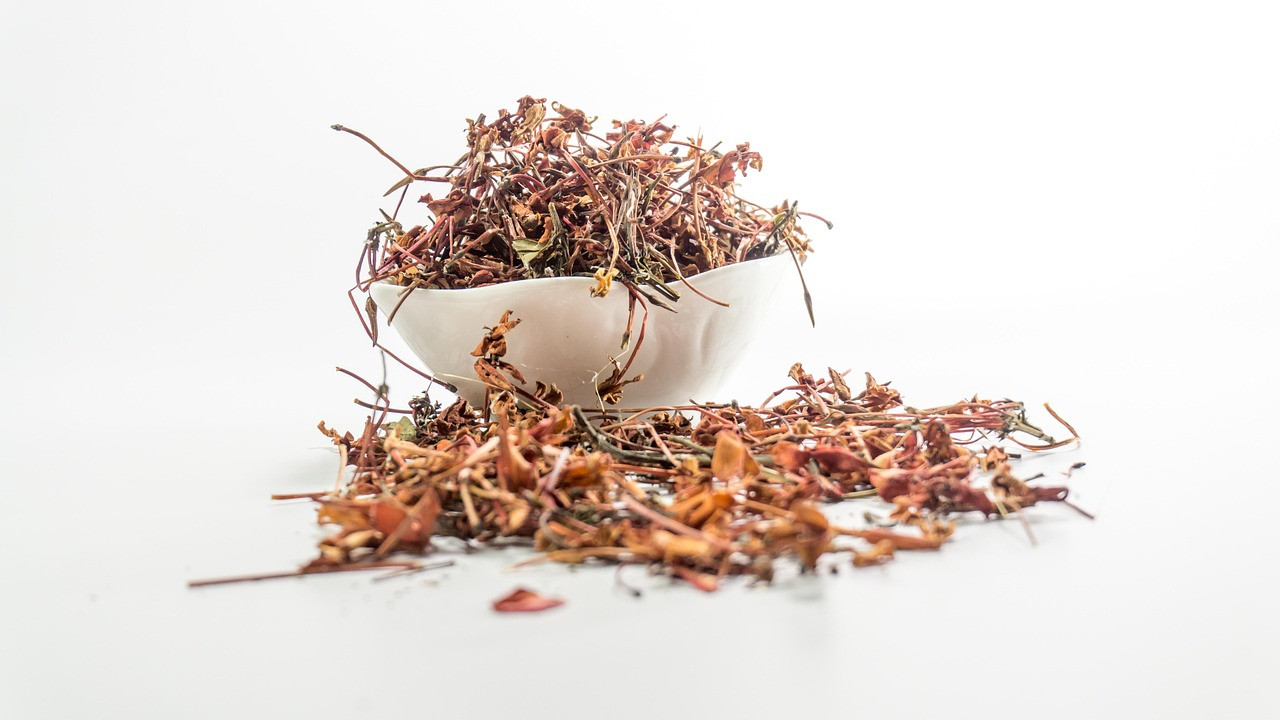
Representative image: GoPlaces / Pixabay
An AIIA Ayurveda programme for 5,594 older people in Faridabad reported better quality-of-life scores, the Ayush ministry said on October 27, 2026.
What Happened
The Ministry of Ayush said on Tuesday, October 27, 2026, that a community health programme run by the All India Institute of Ayurveda (AIIA) among older people in Haryana's Faridabad district recorded improvements in their quality of life, digestive strength and bone mineral density. The programme screened 5,594 people aged 60 to 80 and gave them Ayurvedic medicines, while a separate arm treated 200 people screened for dementia. The ministry stressed that the results are preliminary and that wider scientific evaluation, continued safety monitoring and further studies are needed before the findings can be called validated.
Key Facts
- The work was carried out under AIIA's Public Health Initiative in Faridabad district, Haryana.
- 5,594 people aged 60 to 80 were screened over three months and given Ayurvedic medicines.
- After a 60-day intervention, the group's total score on the World Health Organization Quality of Life (WHOQOL) assessment rose from 292.0 to 326.3, according to the ministry.
- Improvements were also reported in Agnibala, the Ayurvedic measure of digestive and metabolic strength, and in bone mineral density; no bone density figures were released.
- In a separate dementia arm, 200 patients were screened and given Ayurveda-based medicines over four months; their quality-of-life score rose from 277.4 to 364.2.
- Mini-Mental State Examination (MMSE) scores in that arm moved towards normal levels, and levels of serotonin, acetylcholine, DHEA and vitamin D improved, the ministry said.
- The findings were presented at a workshop at AIIA on Saturday, October 24, and the project report has gone to an expert committee.
Why It Matters
India's population is ageing, and the needs of people over 60 (joint and bone health, memory, digestion and general wellbeing) are a growing part of the public health load. The Ministry of Ayush has for some years tried to place Ayurveda inside public health programmes rather than only in clinics, and a district-wide screening drive of more than 5,500 older people is one of the larger community efforts reported by a national Ayush institute. For readers, the question is not whether Ayurveda "works" in general, but what this particular programme measured and how strong that evidence is.
Two of the measures need explaining. The WHOQOL is a questionnaire developed by the World Health Organization in which people rate their own physical health, mental state, relationships and surroundings; a higher total means people report a better quality of life. The MMSE is a short, widely used screening test of memory, attention and thinking, used by doctors to flag possible cognitive decline. Agnibala is a concept from classical Ayurveda that refers to the strength of digestion and metabolism; it is assessed by Ayurvedic physicians and is not a standard laboratory test.
The limits matter as much as the numbers. The figures released so far compare people before and after treatment; the ministry's statement does not describe a comparison group that did not receive the medicines, and it does not report statistical tests, side effects or the names and doses of the formulations used. Without a control group, gains in self-reported quality of life can also reflect regular contact with health workers, attention from the programme, or other changes in daily life. The ministry itself has said the results need more extensive scientific evaluation, continued safety monitoring and further studies. That is why the next step, the expert committee's review of the project report, is the part to watch.
The table sets out the main figures released by the ministry.
| Measure | Group | Before | After |
|---|---|---|---|
| WHOQOL total score | 5,594 people aged 60 to 80 (60-day intervention) | 292.0 | 326.3 |
| Quality-of-life score | 200 patients in the dementia arm (four months) | 277.4 | 364.2 |
| MMSE score | Dementia arm | not released | moved towards normal |
| Bone mineral density | Main group | not released | improvement reported |
Impact
Short-term: The report gives the Ministry of Ayush and AIIA a base of community data on older people that the expert committee will now examine. No new treatment guideline, scheme or prescription advice has been announced on the basis of these findings.
Long-term: If the expert review supports the results and they are tested in controlled studies, they could shape how Ayurveda is offered in geriatric care under public health programmes. If they do not hold up, the programme will still have produced screening data on thousands of older people in one district.
Who is affected: Older people in Faridabad who took part, families caring for elderly relatives or people with dementia, Ayurvedic practitioners and public health planners, and researchers who will want to see the full report and its methods.
Key Takeaway
AIIA's Faridabad programme reported better quality-of-life scores among more than 5,500 older people, but the Ministry of Ayush says the findings are preliminary and need further study and safety monitoring.
Questions and Answers
What did the AIIA programme in Faridabad find?
According to the Ministry of Ayush, 5,594 people aged 60 to 80 who received Ayurvedic medicines showed a rise in their WHO quality-of-life score from 292.0 to 326.3 after 60 days, along with reported gains in digestive strength and bone mineral density.
What happened in the dementia part of the programme?
Two hundred patients were screened and given Ayurveda-based medicines over four months. Their quality-of-life score rose from 277.4 to 364.2, memory test scores moved towards normal, and some blood markers improved, the ministry said.
Does this prove Ayurveda can treat dementia or weak bones?
No. The ministry has described the results as needing more extensive scientific evaluation, safety monitoring and further studies. The released figures compare people before and after treatment and do not describe an untreated comparison group, so no cure or treatment claim can be made from them.
What happens next?
The project report has been submitted to an expert committee, which will review the findings. Older people should not change any medicine on the basis of this report and should speak to a qualified doctor first.
Disclaimer: Prepared by the Peepals newsroom from publicly available sources with AI assistance. Information is accurate to the best of our knowledge at the time of publication and may change. Images may be representative. Not professional advice. Report an error via our contact page.
By Ananya Rao, Ayush & Wellness CorrespondentCovers Ayush and more for Peepals Sanskriti. All stories by Ananya Rao
AIAPGET 2026 PG counselling put on hold on day registration was due
GeM's AABHAR Collection puts 294 heritage crafts before government buyers
Get the day's stories in your inbox
Peepals Weekly: the week decoded, free. One email a week, unsubscribe in one click.
Ananya Rao is a pen name of the Peepals Global Editorial Team, which researches, fact-checks and publishes every story. The portrait is an illustration.